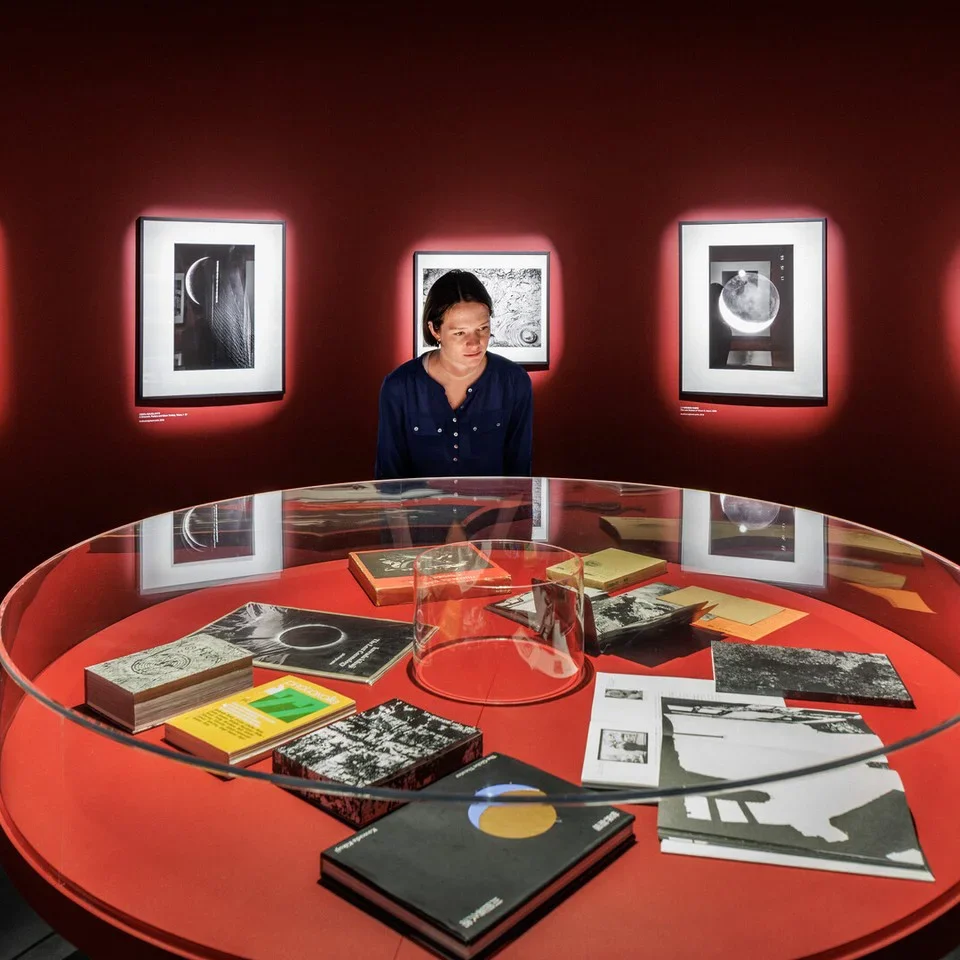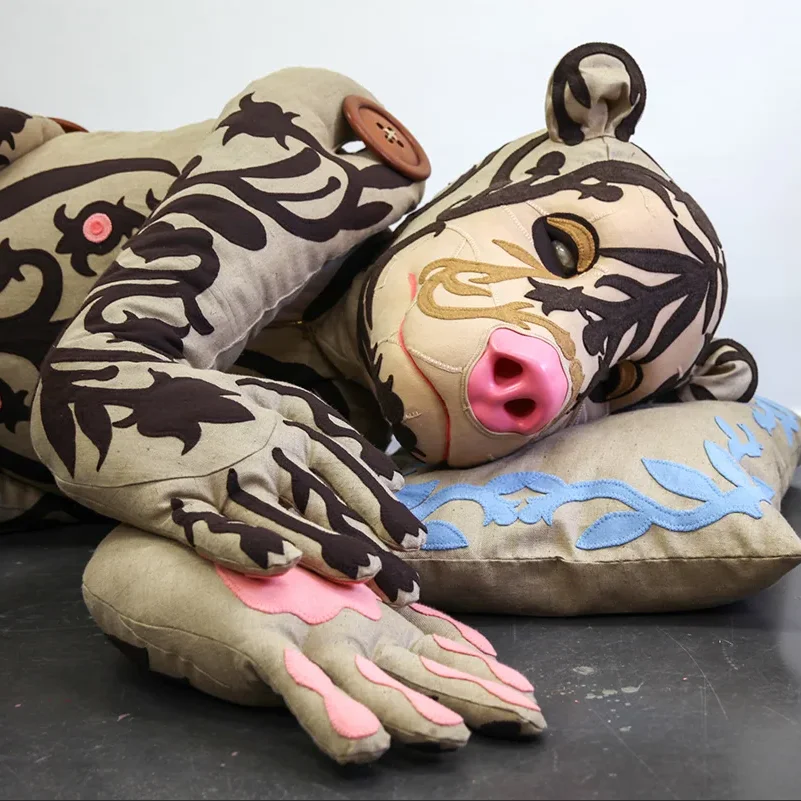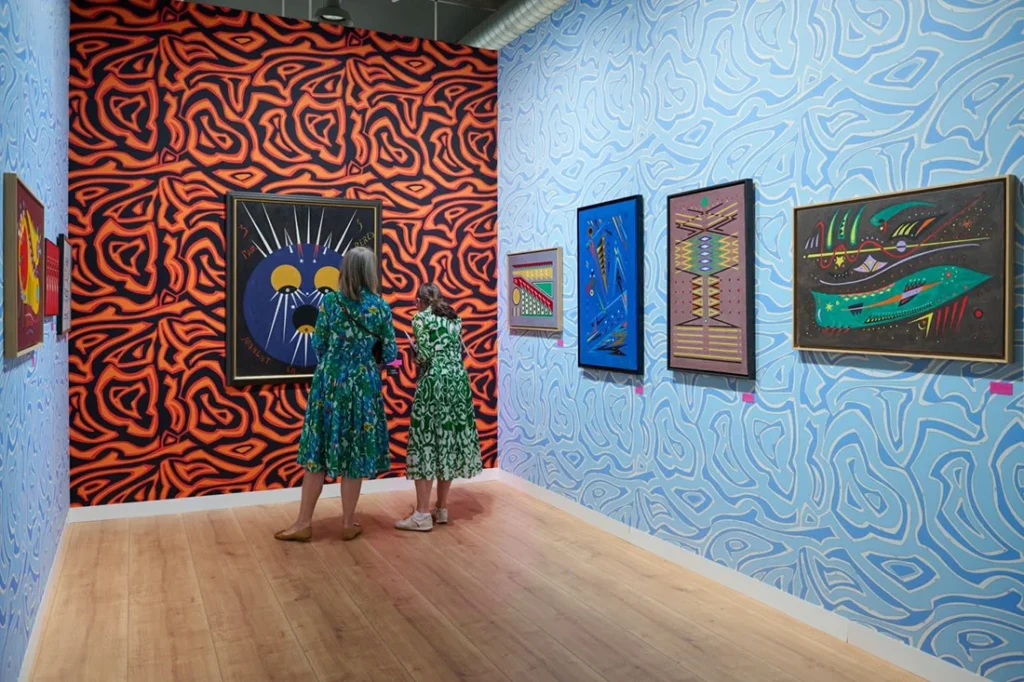
Returning for its 258th edition, the Royal Academy Summer Exhibition 2026 fills Burlington House with 1,851 works by 1,241 artists. Coordinated by Ryan Gander under the theme Interconnectedness, it celebrates artistic diversity at scale, yet its vastness often strains the coherence it aims to construct.
The Summer Exhibition remains the world’s largest open-submission contemporary art exhibition, welcoming first-time exhibitors alongside internationally recognised artists. More than 18,000 digital submissions were reduced to this year’s selection, with invited artists shown alongside Royal Academicians. Most works are for sale, supporting both participating artists and the Royal Academy’s charitable work, including the Royal Academy Schools.
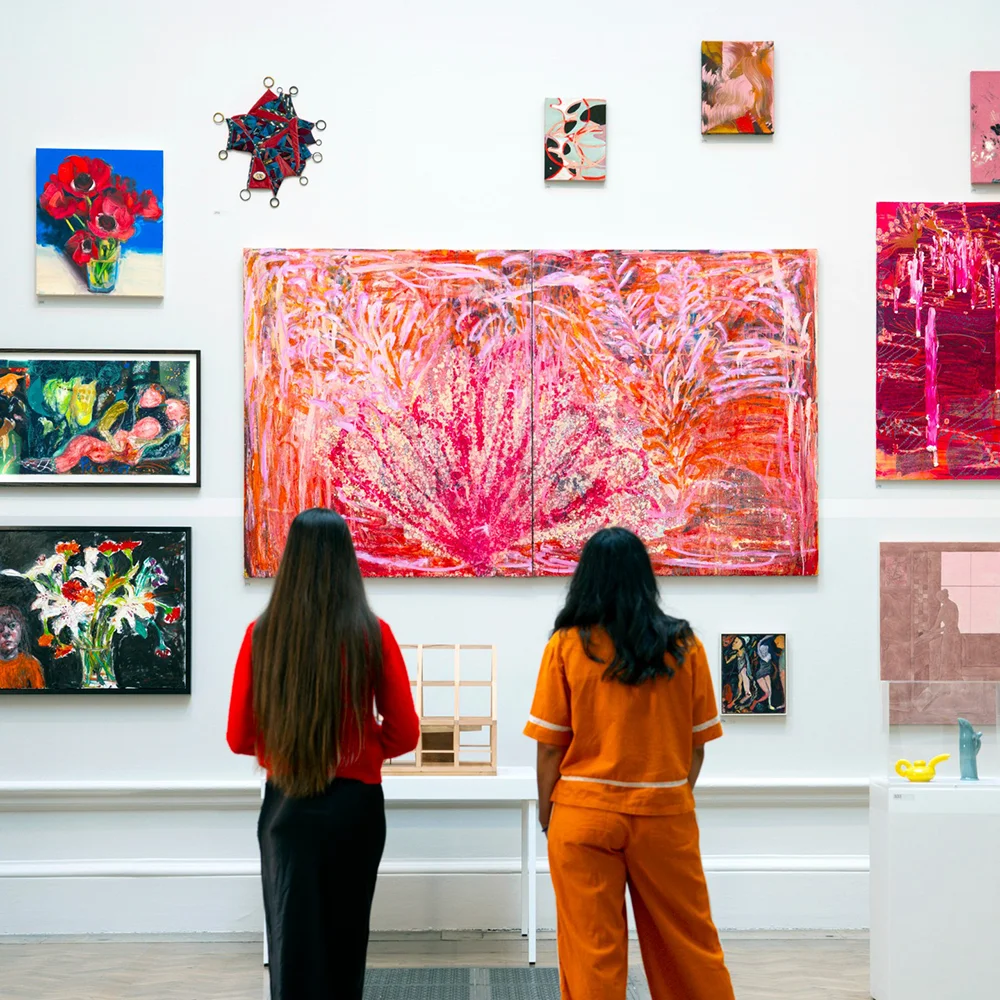
Coordinated by Ryan Gander, the exhibition is shaped around the idea of interconnectedness. Working with committee members Eileen Cooper, Michael Craig-Martin, Oona Grimes, Katherine Jones, Goshka Macuga, Humphrey Ocean and Peter St John, he distributes painting, sculpture, photography, film, architecture and printmaking across the galleries to encourage dialogue between disciplines rather than separation by medium.
A horizontal line running around the galleries at roughly two metres reinforces this structure, dividing works above and below while linking the rooms visually. Peter St John’s architectural selection extends the theme through Ways of Living, addressing housing, ecosystems and urban life as interconnected systems.
In practice, this curatorial ambition is only partly realised. The density of the installation produces visual congestion, making relationships between neighbouring works difficult to read. Juxtapositions often feel arbitrary, and the volume of material competes for attention, overwhelming the possibility of clear connection.
Certain rooms, however, achieve greater focus. Katherine Jones’ gallery opens onto gardens and the natural world, bringing together botanical studies, floral painting and textile works. These more focused displays offer welcome moments of clarity within the wider abundance.
The emphasis on nature extends throughout the exhibition. Flowers, landscapes, birds and animals recur across rooms, with cats appearing with particular frequency. Figurative painting is equally dominant, reflecting the continued resurgence of representational practice. Although many works are accomplished, few are given the space required to make a sustained impact.
Established artists appear throughout the exhibition. Works by Frank Bowling, Tracey Emin, Anselm Kiefer, Antony Gormley, Grayson Perry, Wolfgang Tillmans, Gillian Wearing and Rose Wylie sit alongside Honorary Royal Academicians including Joan Jonas, Marina Abramović, William Kentridge, Jim Dine and Mimmo Paladino. New commissions and installations add further weight, from Ugo Rondinone’s ten-metre rainbow LED piece The Song is You in the Annenberg Courtyard to Antony Gormley’s cardboard installation Hide (2026) and Joseph Grigely’s floor-to-ceiling intervention.
Sculpture is especially prominent, reflecting Gander’s own practice. Kevin Francis Gray’s Hades Head, John Maine’s granite sculpture and David Noonan’s bronze owl stand out among the strongest three-dimensional works. Elsewhere, however, quality is uneven, suggesting that a more tightly edited exhibition would have allowed its strongest works greater clarity and presence.
The Royal Academy Summer Exhibition 2026 is as expansive and eclectic as ever. Its scale remains both its greatest asset and its greatest challenge, making moments of genuine connection harder to find than the exhibition intends.