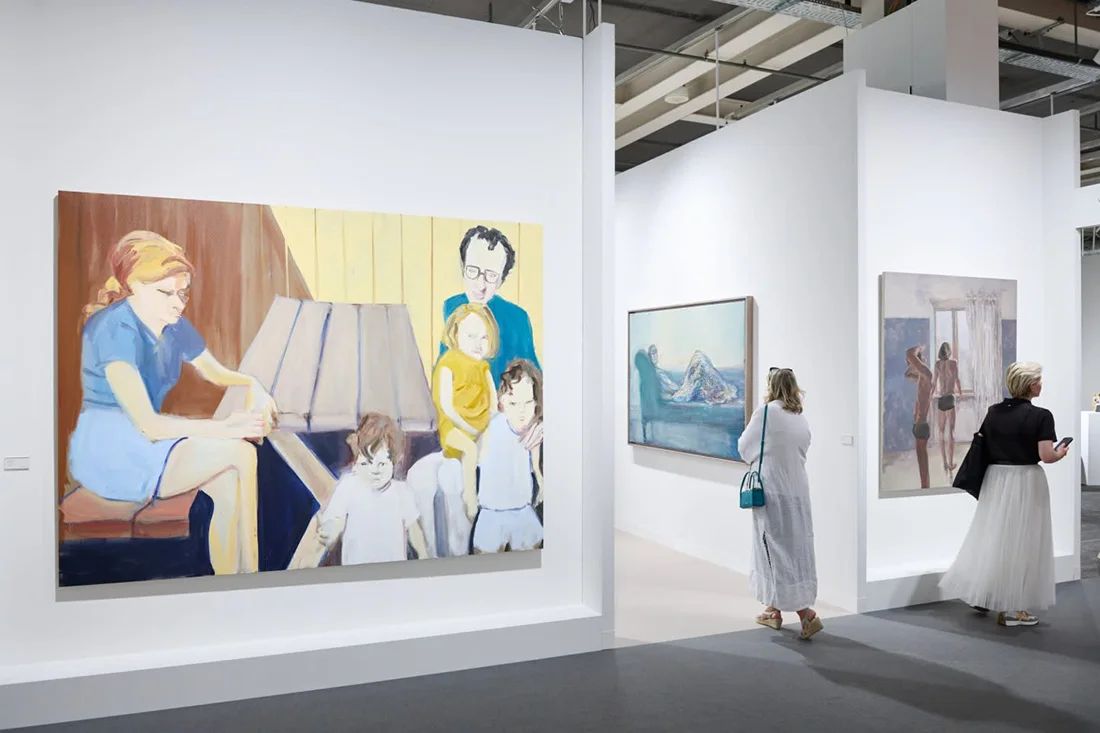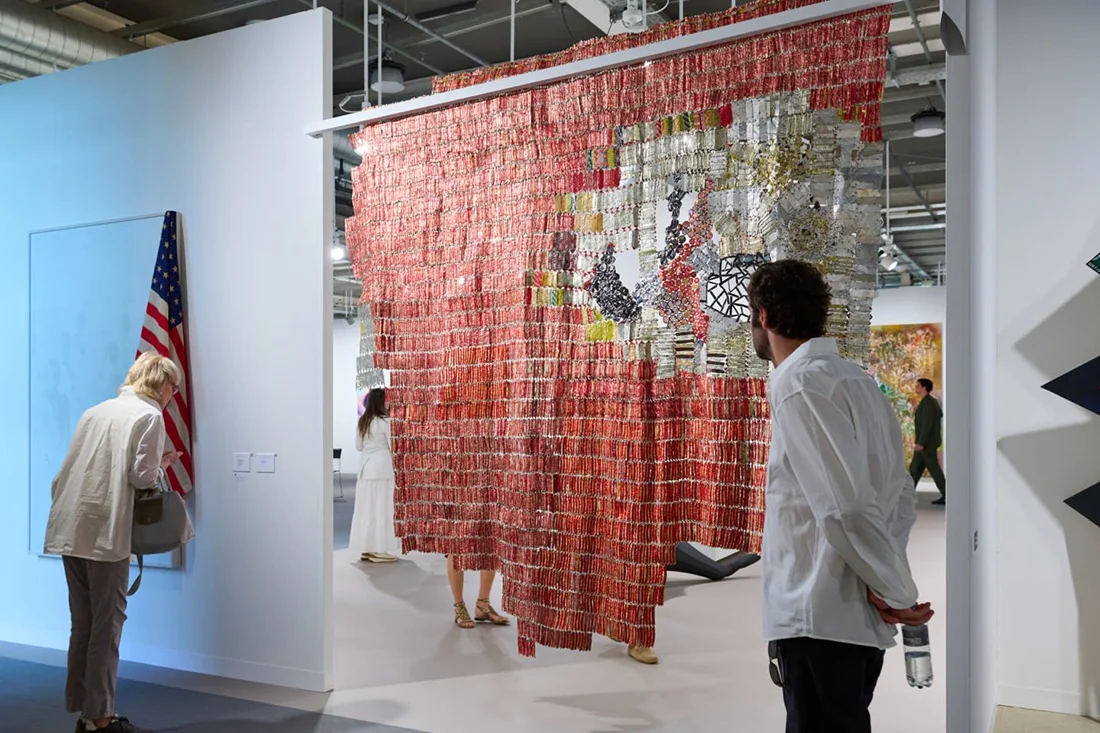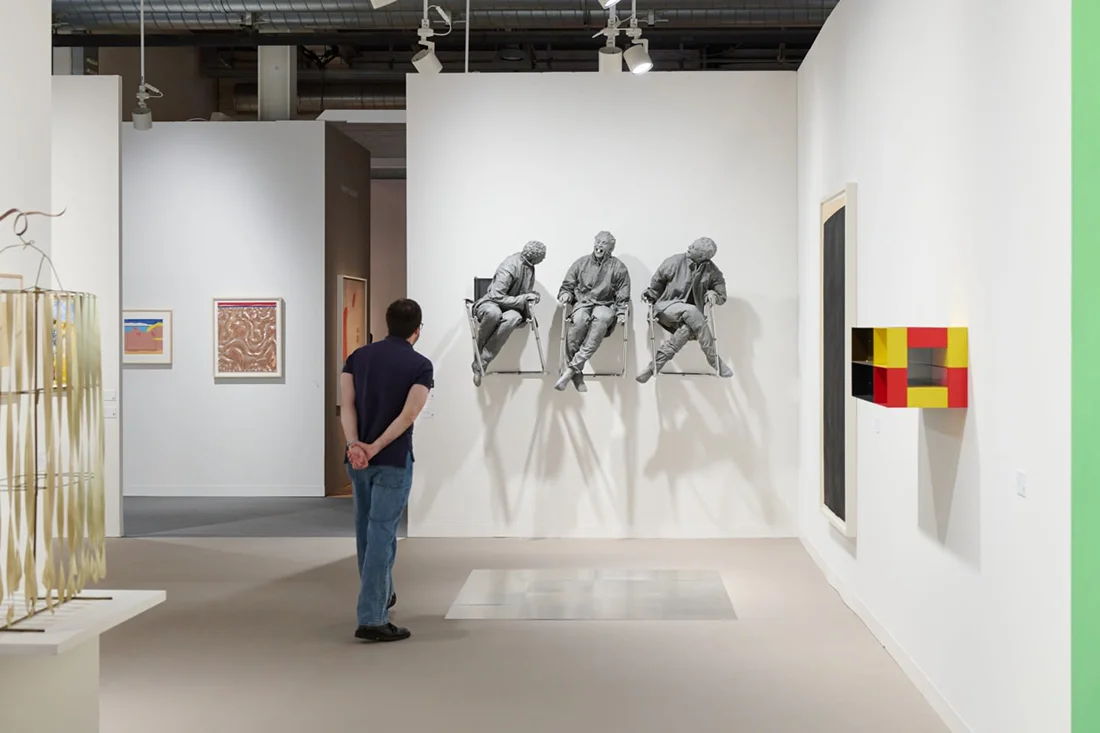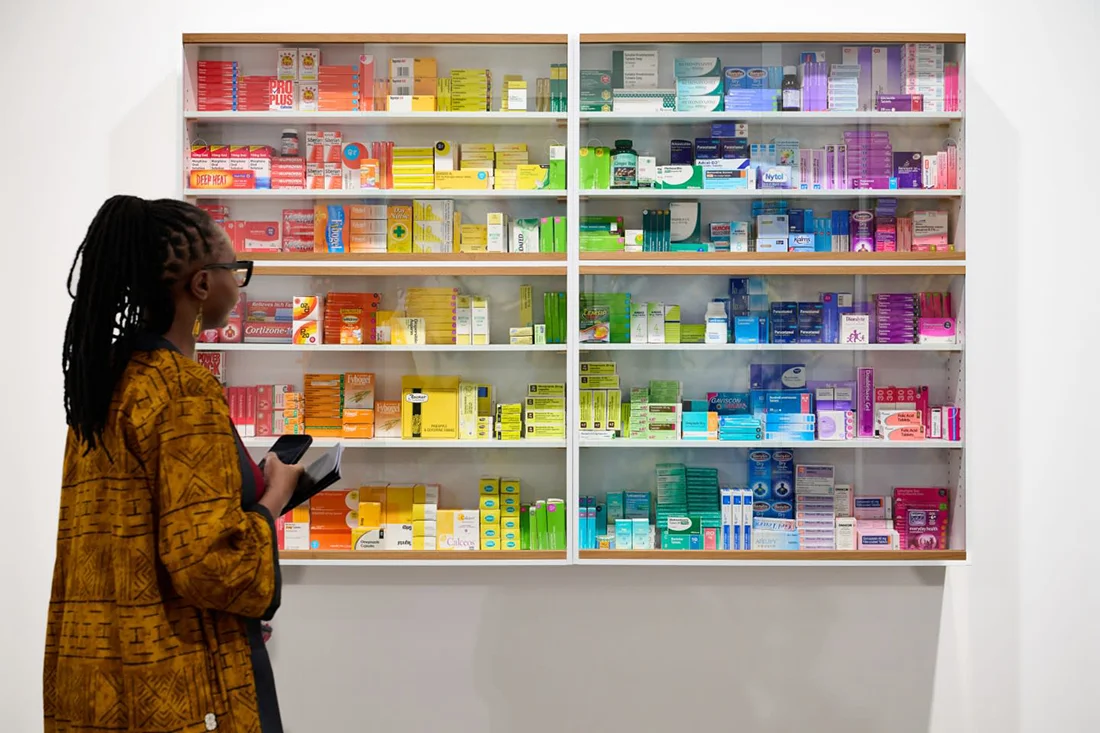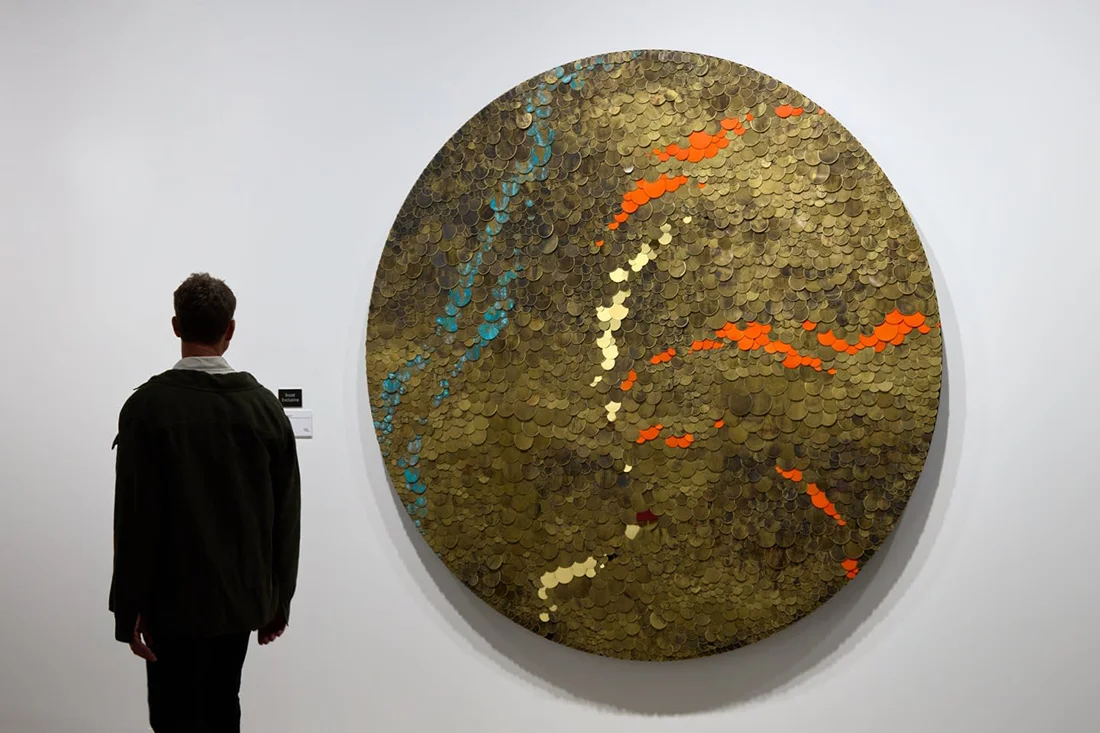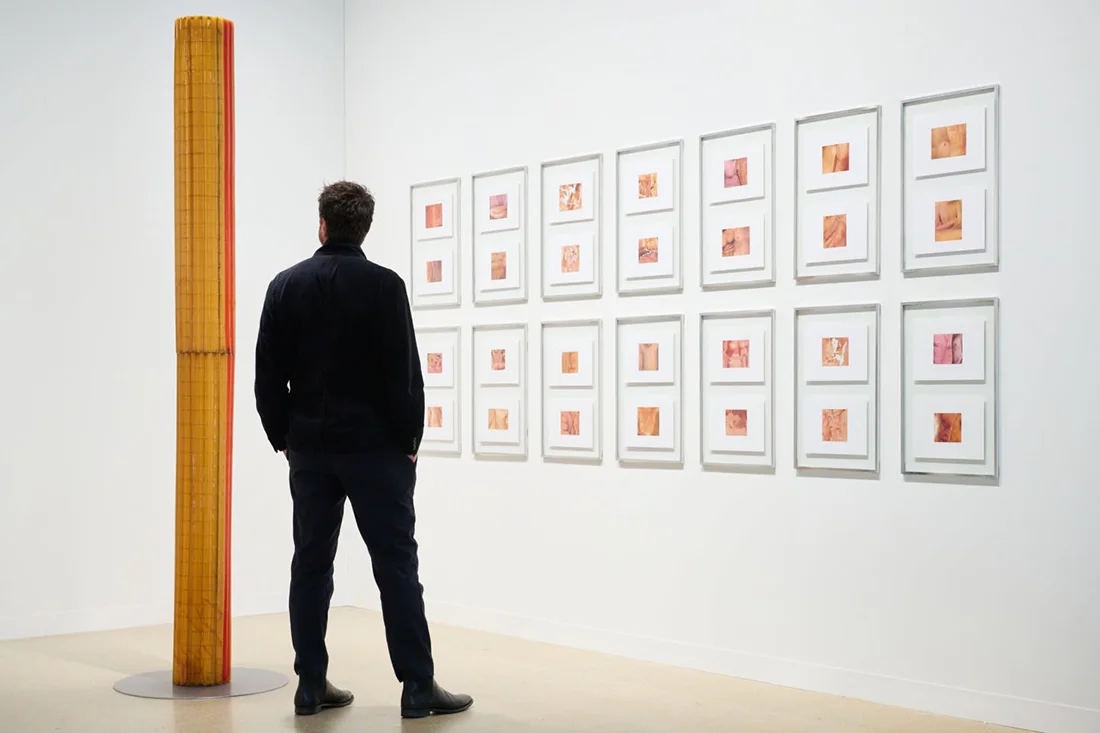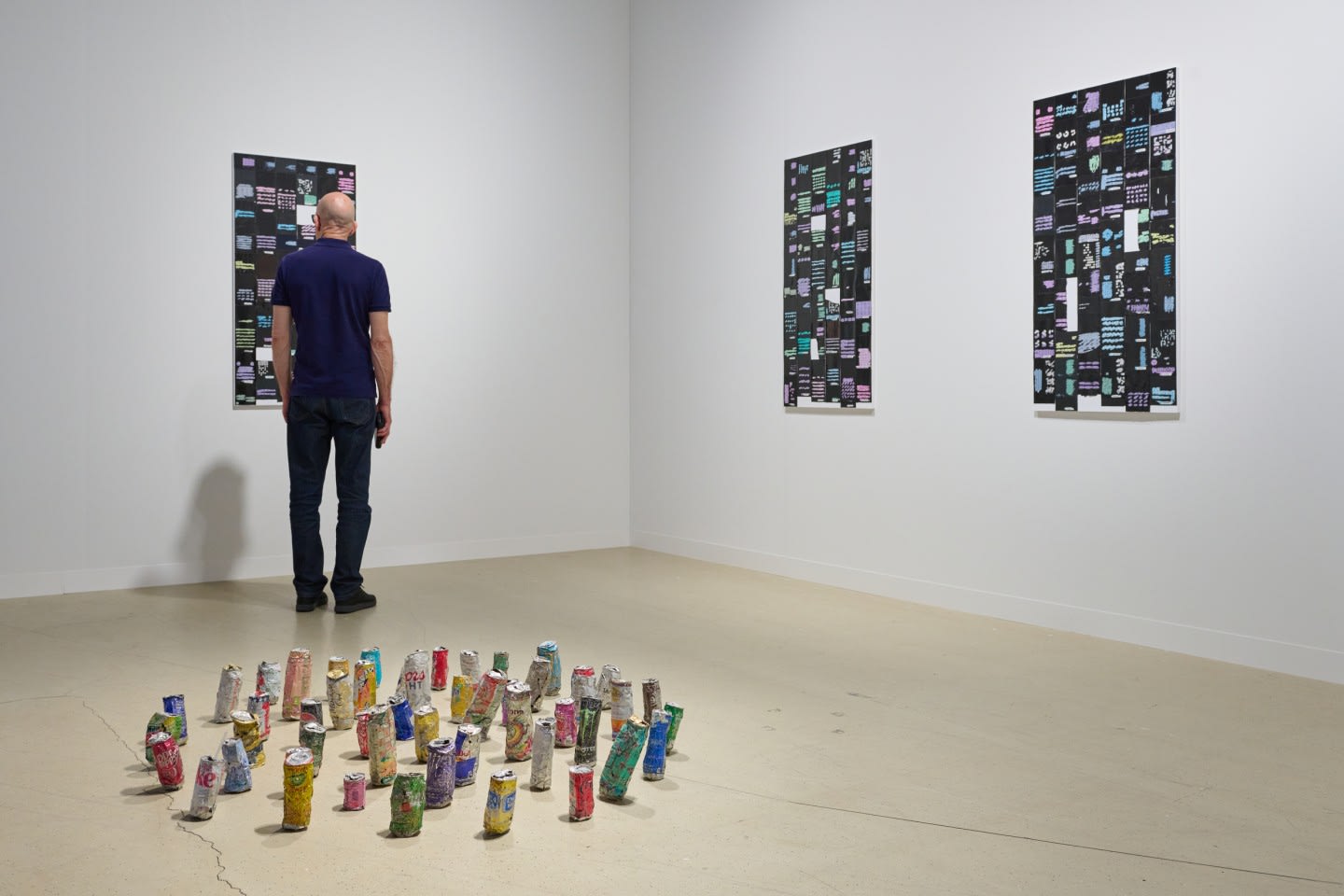
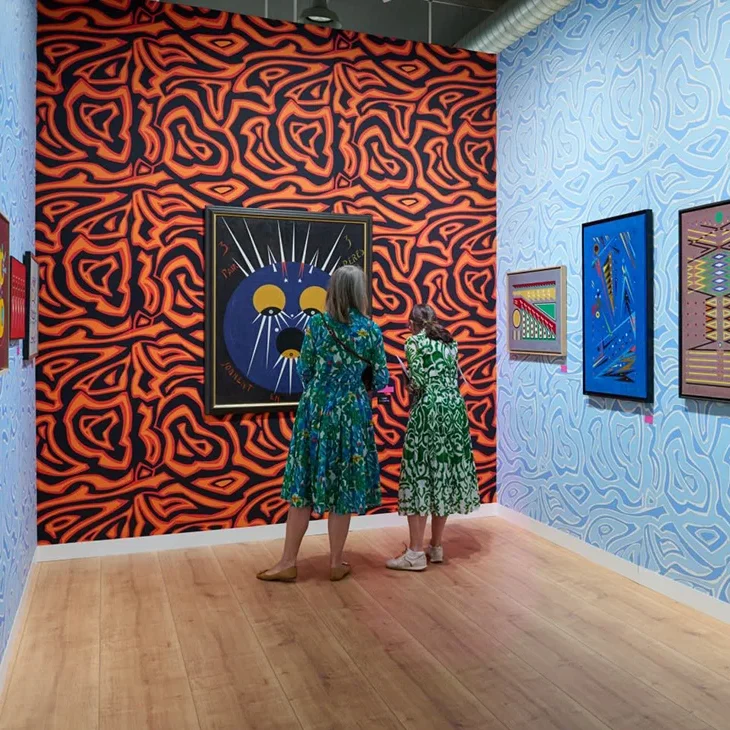
Bringing together 290 galleries from 43 countries, Art Basel 2026 extends from historical anchors through contemporary practices into increasingly constructed, large-scale environments. The fair still functions as a central meeting point for the market, but its relevance now depends less on discovery and more on how effectively it concentrates attention across multiple, tightly managed spaces.
For more than half a century, Art Basel has occupied a dominant position on the global art calendar. That status is no longer given. It is maintained through scale, concentration of quality, and the continued willingness of leading galleries and collectors to treat Basel as a decisive moment rather than just another stop. The 2026 edition reinforces that position while also exposing how dependent the fair has become on orchestrated visibility within a system shaped by previews, private sales, and continuous circulation.
Across the fair, the historical range remains one of its core structural advantages. A 1963 Picasso offered at $35 million set an early tone, followed by significant placements across Cy Twombly, Louise Bourgeois, Willem de Kooning, Helen Frankenthaler, and David Hockney. These are not speculative positions. They function as stabilising references that consolidate confidence when it appears, and the early sales pattern suggests that confidence is present but selective.
One of the most consequential shifts this year is Basel Exclusive. Works withheld from digital circulation are only unveiled at the opening, reversing the now standard rhythm of pre-fair visibility. The effect is a tightening of perception into a compressed moment, where first viewing becomes a managed condition rather than a dispersed process. It also reasserts control over timing in a system where attention is already fragmented across platforms and private channels.
Whether this recalibration broadens access or simply reorganises exclusivity remains unresolved, but it makes explicit how far the fair has moved from a unified public reveal.
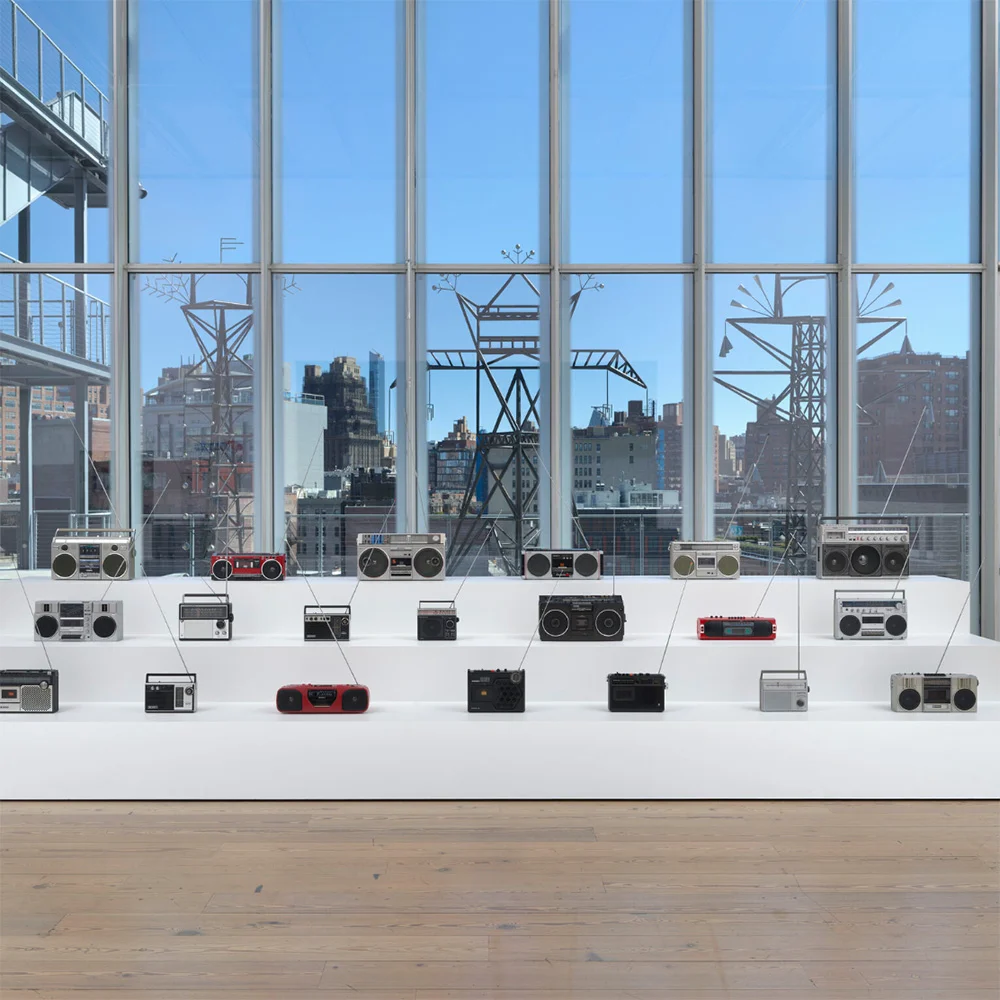
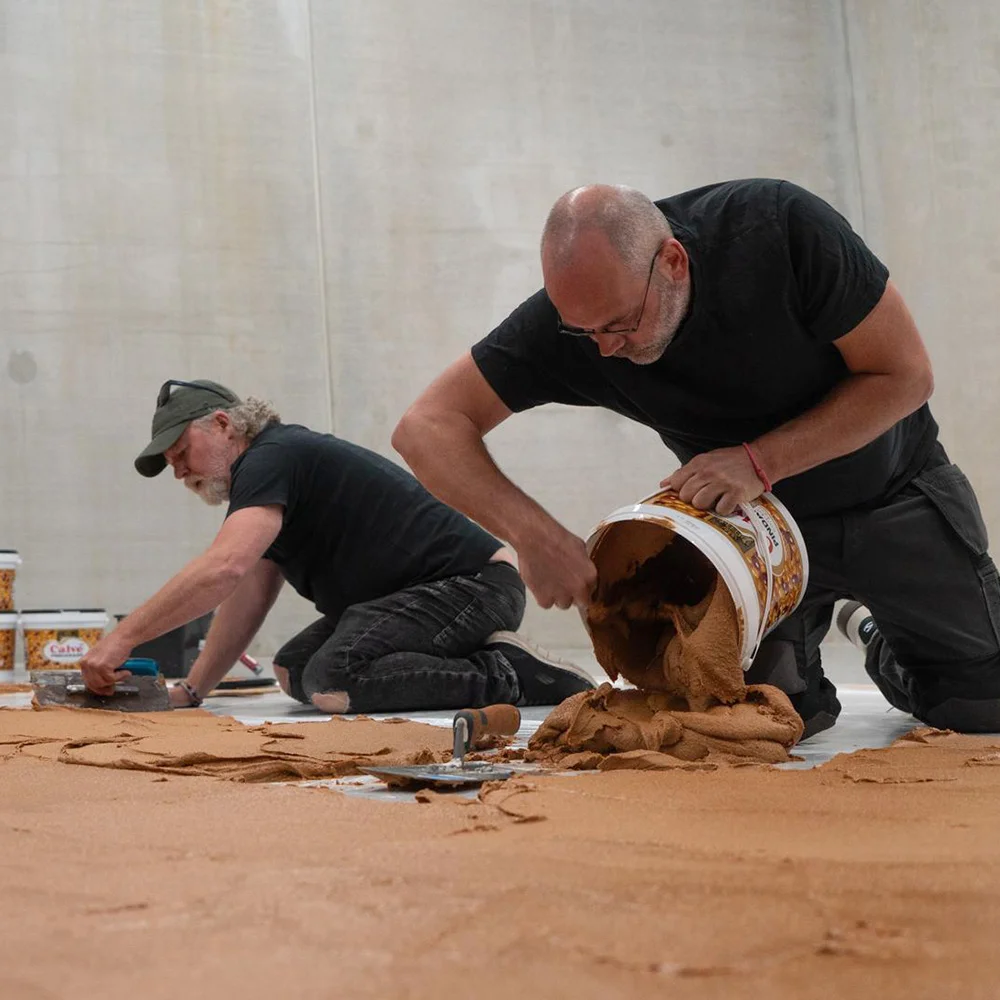
Unlimited continues to justify the fair’s scale. Curated this year by Ruba Katrib, it presents works that exceed booth logic and resist transactional pacing. Isa Genzken’s repurposed aircraft structures, Bruce Nauman’s folded architectural forms, and Tracey Emin’s weathered installation operate at the level of physical encounter rather than display. The section works because it interrupts commercial rhythm with duration, reintroducing time into a format otherwise governed by speed.

Parcours extends that interruption into the city, functioning less as a satellite programme than as a dispersed exhibition system embedded in Basel’s streets and interiors. Curated by Stefanie Hessler, it moves through Clarastrasse, the Rhine corridor, and a chain of transitional sites where works are encountered before they are framed. Kader Attia’s sound installation behaves less as object than as atmospheric pressure, altering how adjacent space is registered. Haegue Yang’s sculptural configurations occupy thresholds where movement disrupts reading, preventing a settled vantage point. Sarah Crowner’s interventions appear in fragments across urban locations, dispersing painting into circulation rather than display.
The effect is not simply dispersion but a weakening of fixed hierarchy in how works are encountered. Parcours embeds art in conditions of transit, where attention is partial and continually reoriented. What the fair designates as public space becomes a chain of unstable situations rather than a defined category.
Kabinett moves in the opposite direction. It concentrates attention within booths through tightly structured presentations, often focused on a single artist or sharply defined body of work. Gordon Parks’s photographs of Muhammad Ali are positioned as constructed studies of persona and performance. Marcelle Cahn’s work is reinserted into abstraction histories that have long overlooked her, shifting her from peripheral status into renewed visibility. The format’s logic is one of control over duration, where constraint becomes a way of sustaining focus within a dense environment.
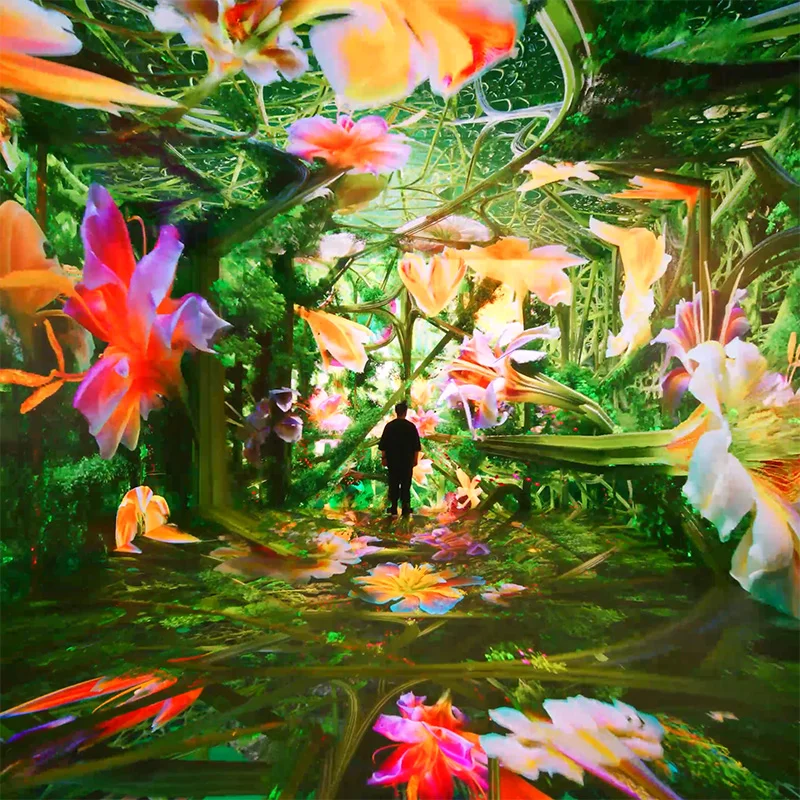
Across other booths, a similar tension between density and clarity reappears in different registers. Esther Schipper’s presentation of Pierre Huyghe stages perception as an ongoing system, where computational image production and environmental feedback loops generate conditions that remain unstable rather than resolved.
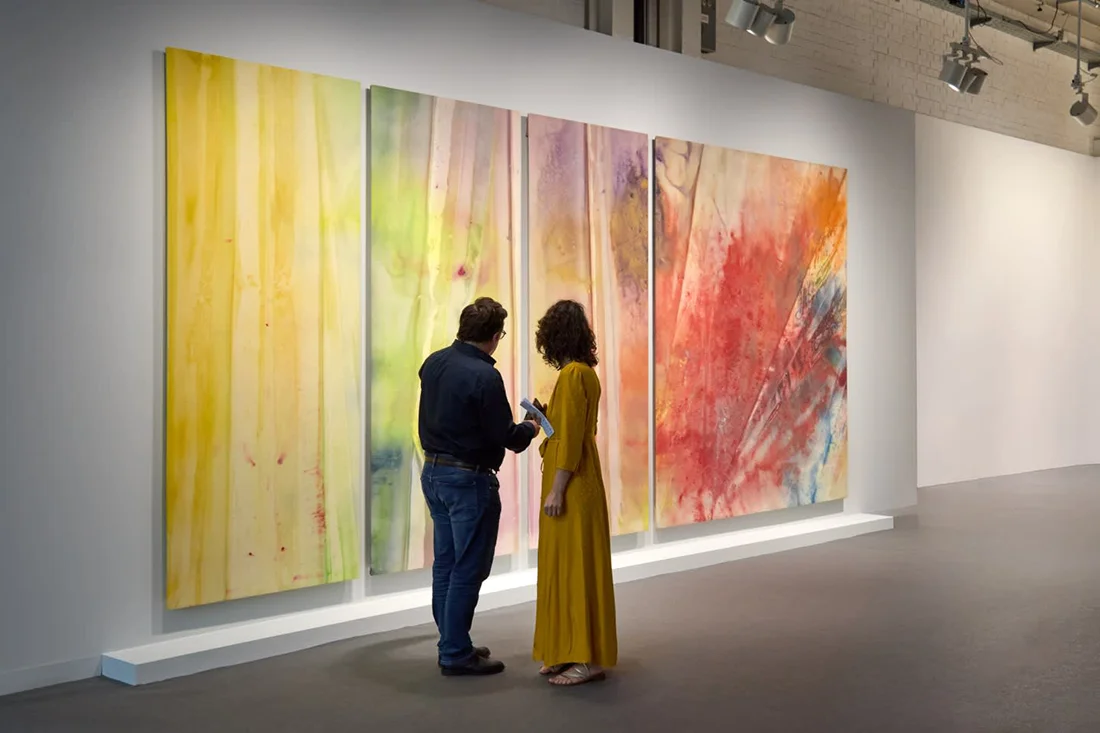
At David Kordansky Gallery, proximity becomes the organising principle. Sam Gilliam’s late-1960s abstraction sits alongside Jonas Wood’s Nintendo #4 (2026), a flattened field of graphic reference, while Lucy Bull’s painting destabilises spatial coherence through layered optical turbulence. The arrangement does not resolve these positions into a narrative. It holds them in tension through placement alone.
P.P.O.W constructs coherence through historical layering. Works by Carolee Schneemann, David Wojnarowicz, and Martin Wong are placed in active relation to younger practices that extend questions of identity and constructed narrative. Hilary Harkness intensifies this structure through fictionalised historical scenes that treat power as a system of representation rather than a linear account. The booth sustains itself through controlled density rather than dispersion.
Gagosian stages clarity through compression. A monumental Henry Moore anchors the entrance, followed by works by Francis Bacon, Willem de Kooning, Donald Judd, and Damien Hirst arranged in close sequence. The experience is sequential rather than discursive. Works do not negotiate meaning with one another so much as assert parallel positions within an established canon.

Market activity mirrors this structure. The upper tier remains anchored by works that circulate easily within institutional frameworks, while the middle increasingly depends on clarity of presentation and curatorial framing. Demand is not absent below that level, but it is conditional, responding to how convincingly works are positioned rather than to momentum alone.
Across the city, Basel functions less as a venue than as temporary infrastructure. Institutional exhibitions, satellite fairs, private events, and public programming interlock into a compressed system that exists only for the duration of the fair. The Messe organises this field through scale and coordination rather than containing it.
Basel’s significance now lies in that role. It does not resolve the tensions between public and private, or between exhibition and market. It holds them in place long enough for them to operate simultaneously within the same frame.