
Nnena Kalu has won the Turner Prize, the UK’s most prestigious art award, with her bold, cocoon-like sculptures and swirling drawings. At 59, she becomes the first artist with a learning disability to receive the prize, marking a historic moment that challenges conventions of who can shape contemporary British art.
The Turner Prize, defined as much by controversy as acclaim, has shaped careers and fueled debate over what constitutes the best of British art. From headline-grabbing works to celebrity presenters, it remains one of the UK’s most influential art awards. This year’s outcome signals a turning point for inclusivity within the contemporary art scene.
The prize is decided each year by an independent jury of directors, curators, critics, and writers. This year, Tate Britain and prize chair Alex Farquharson acknowledged Kalu’s milestone as the first learning-disabled recipient. The jury emphasized the visual and aesthetic strength of her work, which stands firmly on its own terms.
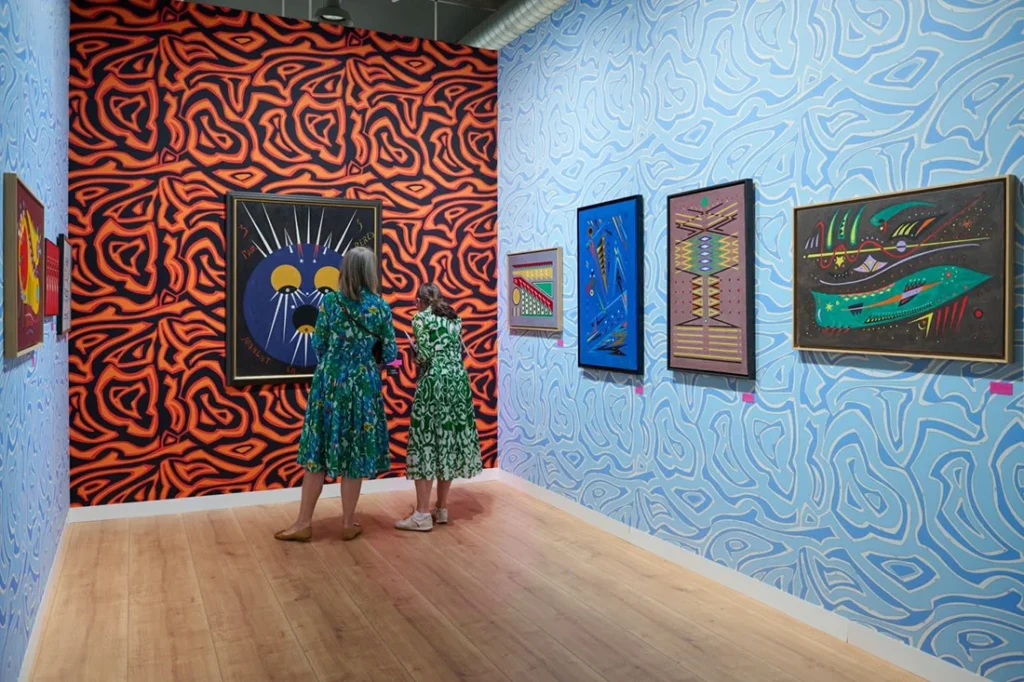
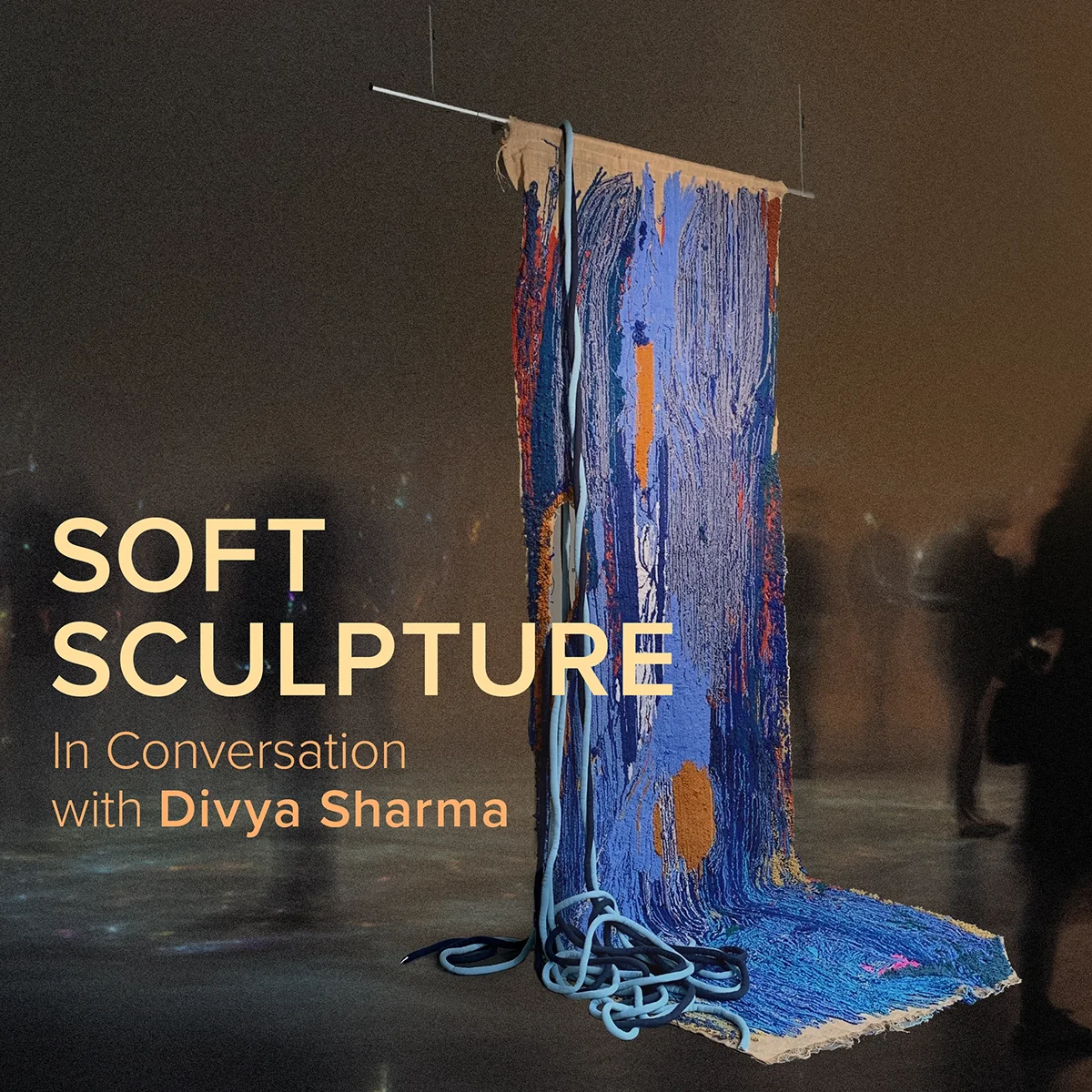
Kalu’s winning work, on view at Cartwright Hall in Bradford until February 2026, features suspended sculptures made from rope, VHS tape, and plastic alongside large vortex-like drawings. The pieces feel fluid and otherworldly, collapsing distinctions between form, space, and body. Her practice is intensely physical, with the act of making inseparable from the result, resisting easy categorization.
Autistic and with limited verbal communication, Kalu was nominated following presentations at Liverpool’s Walker Art Gallery and Manifesta 15 in Barcelona. The jury praised the scale, composition, color, and commanding presence of her sculptures and drawings, noting their boldness and expressive force.
Her work reflects a sustained investigation of space, material, and boundaries, shaped by urgency and cumulative, layered gestures informed by her neurodivergence. In contrast, fellow nominees Mohammed Sami, Rene Matić, and Zadie Xa explored trauma, social, and spiritual themes through narrative-heavy or theatrical installations. The judges ultimately favored Kalu’s uncompromising abstraction, though its raw urgency risks being softened by institutional framing.
Supported by ActionSpace and assisted by Charlotte Hollinshead since 1999, Kalu receives the £25,000 Turner Prize, while the remaining shortlisted artists receive £10,000 each. This year’s judges included Andrew Bonacina and Sam Lackey, with exhibition support from the charitable foundations of Lord Browne and Lance Uggla.