
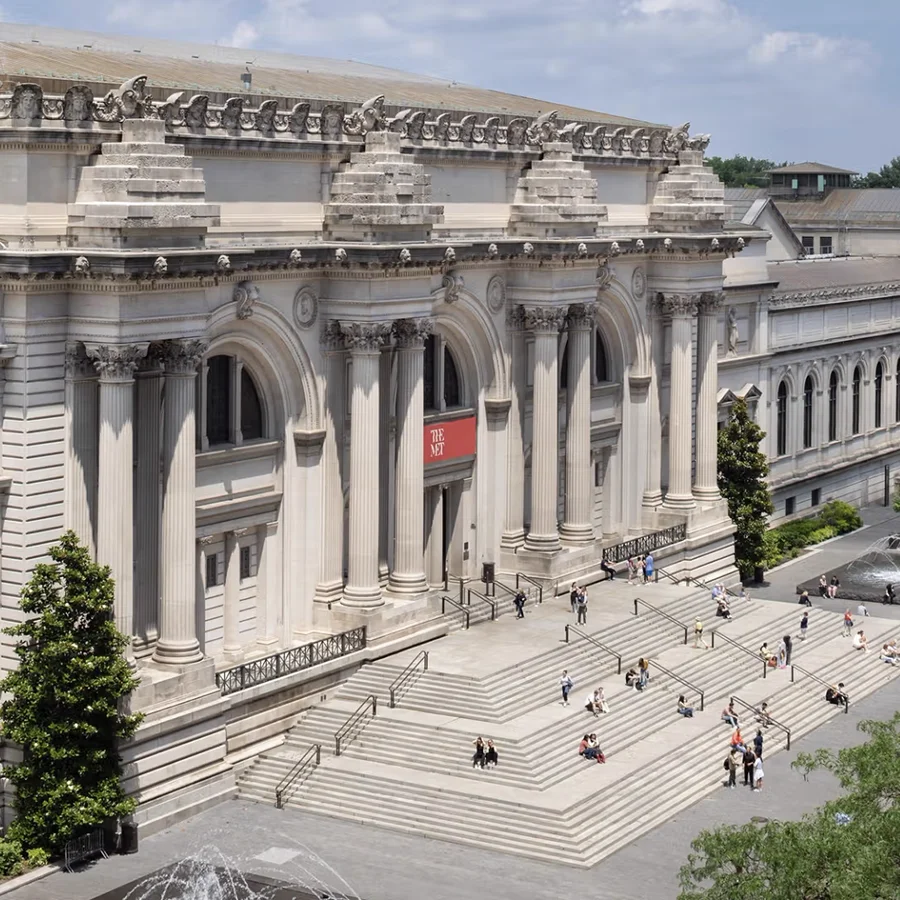
New York’s Museum Mile has become the focus of an ongoing Legionnaires’ disease outbreak after Legionella bacteria were found in the cooling towers of the Guggenheim and the Metropolitan Museum of Art during city inspections. Both museums remain open and say visitors and staff are safe.
The Guggenheim was the first institution to report a positive test result. During a routine inspection in early July, Legionella bacteria were detected in one of the museum’s cooling towers. Staff were informed later that week through an internal email, and museum officials, together with the staff union, UAW Local 2110, said remediation began immediately.
The affected cooling tower is separate from the building’s drinking water system and accessible only to a small number of facilities staff. Follow-up testing was scheduled for the following week, and the union later expressed satisfaction with the museum’s response.
The discovery came at a challenging moment for museum management. Only weeks earlier, 93 percent of unionised staff had voted to authorise a strike after negotiations with museum leadership reached a stalemate.
On July 15, the Metropolitan Museum of Art announced that Legionella had also been detected in one of its cooling towers. The museum became one of more than 70 buildings where city inspectors found the bacteria after testing all 183 cooling towers on the Upper East Side.
Because the Met is closed to the public on Wednesdays, staff were able to drain, disinfect, and treat the cooling tower without disrupting visitors. Follow-up testing was scheduled to confirm that the remediation had been successful. Like the Guggenheim, the Met emphasised that the affected cooling tower posed no risk to people inside the museum.
Caused by inhaling water droplets containing Legionella bacteria, Legionnaires’ disease is a serious form of pneumonia that is not transmitted from person to person. Although cooling towers are separate from a building’s drinking water supply, warm, stagnant water can allow the bacteria to multiply, a risk likely heightened by New York’s prolonged heatwave.
In response to the outbreak, city officials have also changed their protocol. Rather than waiting for a second test to confirm live bacteria, they now require immediate remediation after a single positive result, reflecting the difficulty of identifying the outbreak’s exact source.
By mid-July, city health officials had confirmed 60 cases linked to the outbreak, with 49 patients requiring hospitalisation. Most have since been discharged, no deaths have been reported, and officials say the number of new cases is declining.
City Hall also announced that it would begin publishing a list of buildings where Legionella had been detected, marking the first time New York has adopted this level of public transparency.
Beyond the immediate public health response, the outbreak has drawn attention to the hidden infrastructure that underpins even New York’s most iconic cultural institutions.