Ana Mendieta’s unfinished artistic legacy takes centre stage at Tate Modern in the largest UK retrospective devoted to the Cuban American artist in more than a decade. Through photographs, films, sculptures, and installations, the exhibition explores the body, the earth, identity, and belonging.
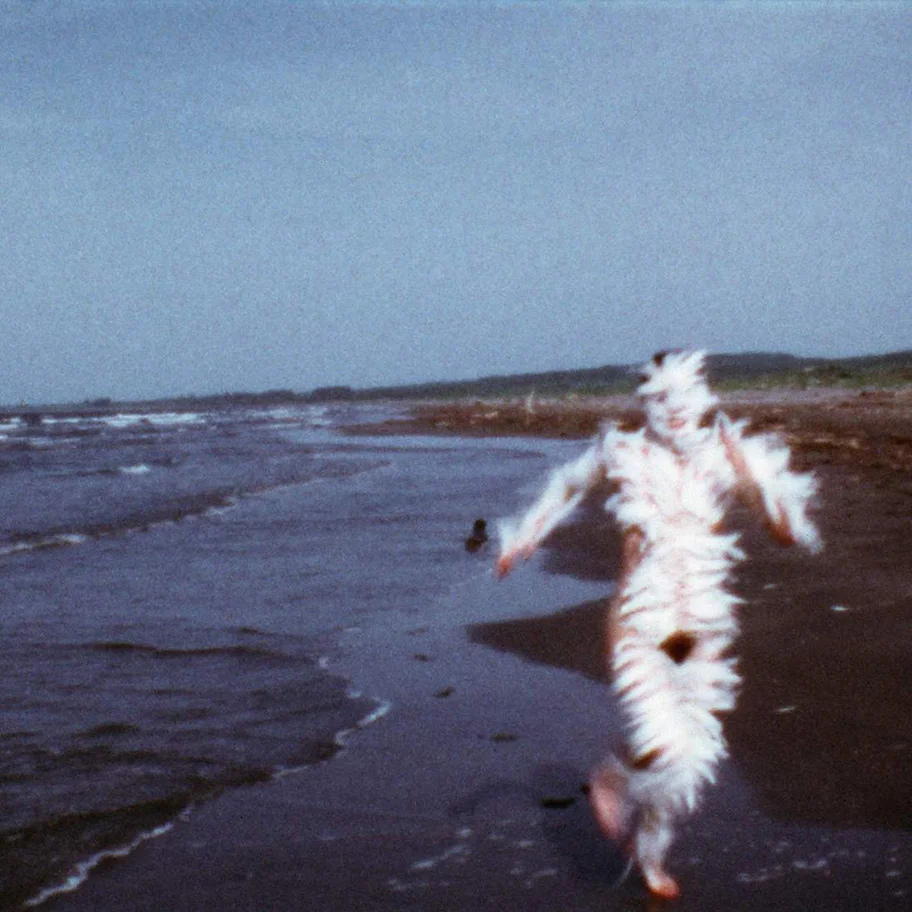
The exhibition highlights Mendieta’s most celebrated body of work, the Silueta Series. Here, she carved, burned, or imprinted the outline of her body into mud, rocks, sand, and flowers, allowing nature to absorb the image before it disappeared. Sometimes her own figure is visible, while at other times only its trace remains, as though the landscape itself has preserved the memory of a body long gone. Today, photographs and films are all that remain of these ephemeral performances.
Rather than following a chronological path, curator Valentine Umansky organises the exhibition around the symbolic spaces that shaped Mendieta’s imagination: caves, forests, water, and thresholds, places associated with transformation. Visitors are welcomed by the artist’s final moving image, Ochún (1981), accompanied by the sound of breaking waves.
According to Umansky, this opening is intended to slow visitors’ heart rates before they continue through the exhibition. Several ephemeral works have also been reconstructed specifically for the show, including Ñañigo Burial (1976), a silhouette formed from ritual candles, and a tree sculpture from 1982.
Mendieta’s work cannot be separated from her life story. After the 1959 Cuban Revolution, she and her sister were sent into exile in the United States at the age of twelve and remained separated from their parents for years. Throughout her career, she repeatedly returned to themes of displacement, loss, and belonging, describing her practice as an attempt to restore the bond between herself and the universe, a return to the “cosmic womb.”
In 1984, she travelled to Neolithic archaeological sites across Europe, including the temples of Malta, the Etruscan tombs of Italy, and Newgrange in Ireland. There, she recognised that her own earth works belonged to a much older human tradition of leaving traces upon the landscape.
At a time marked by digital isolation and ecological anxiety, Mendieta’s insistence on reconnecting physically with the earth feels less nostalgic than cautionary. Her work reminds us how profoundly disconnected we have become from the natural world.
Ana Mendieta is on view at Tate Modern through 17 January 2027.