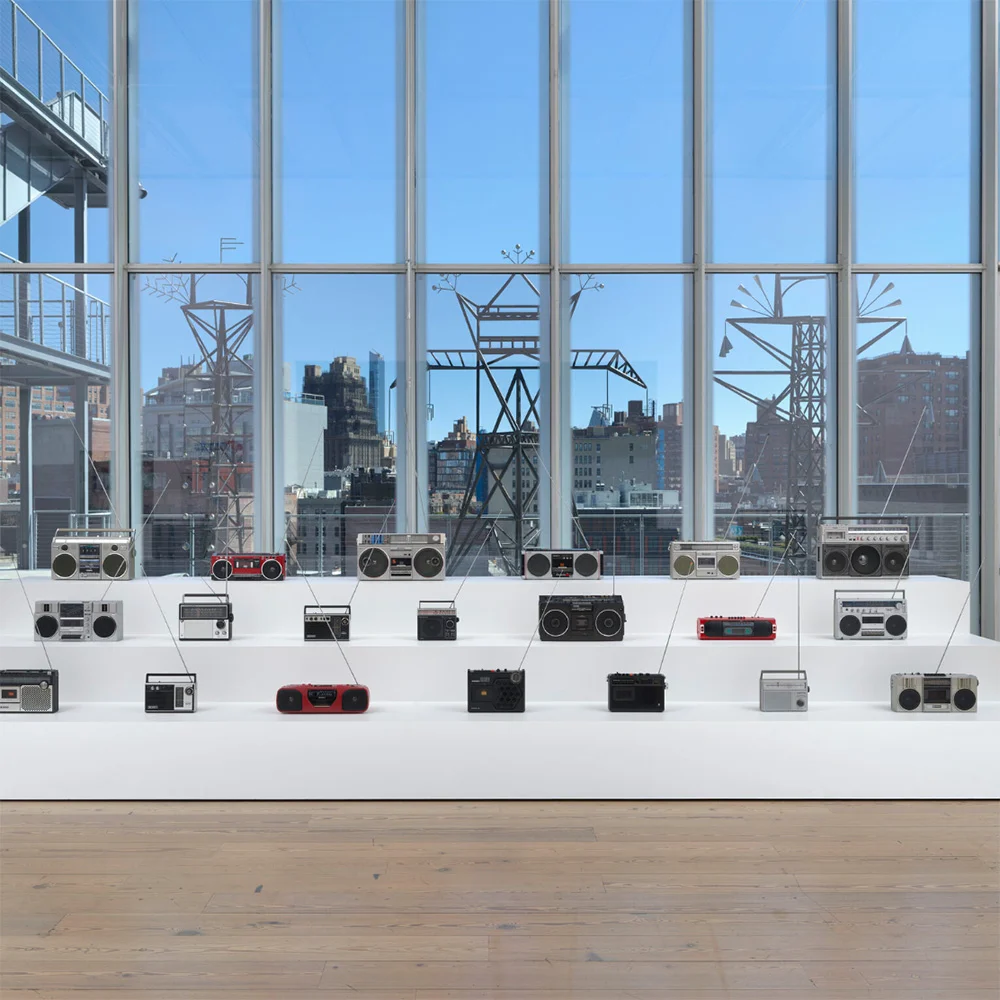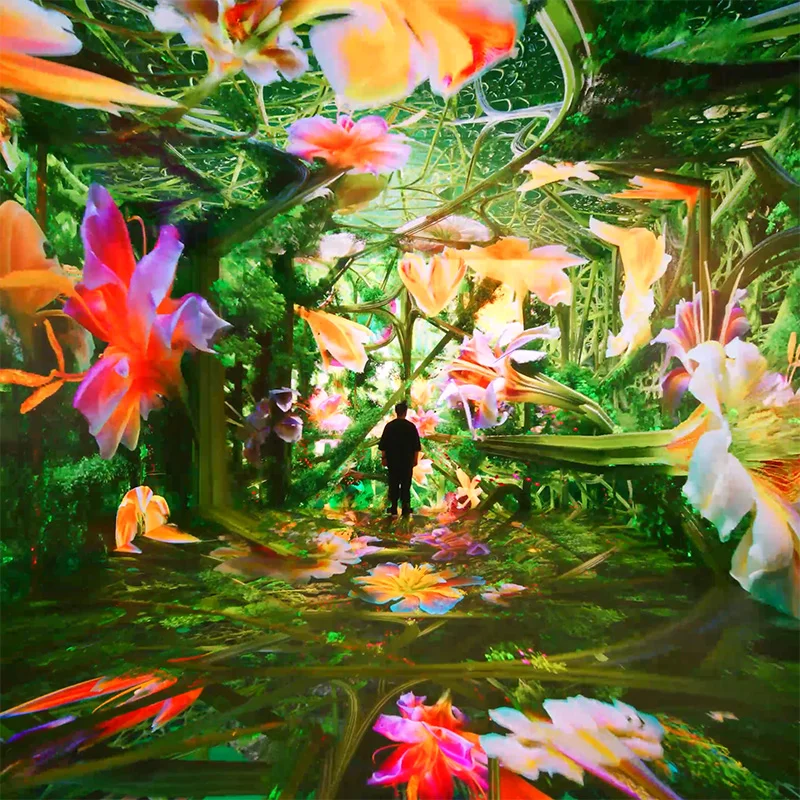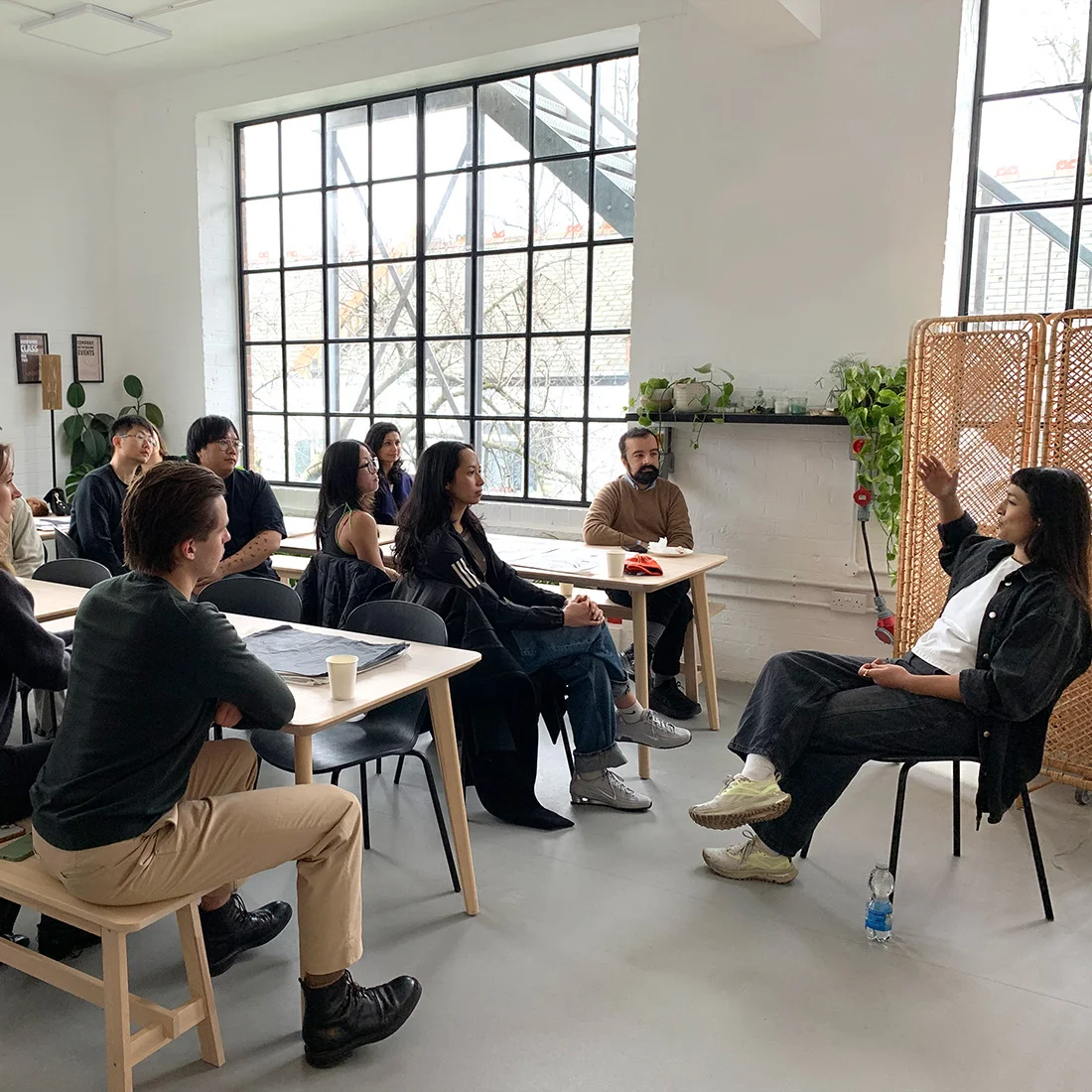
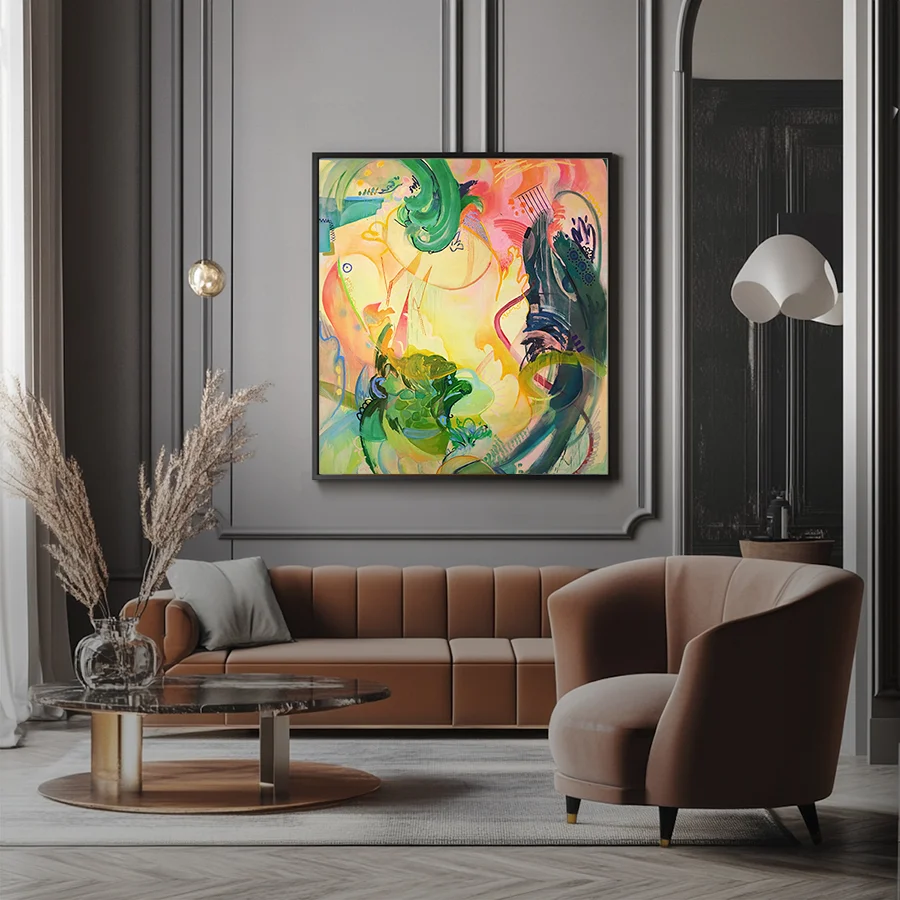
In June 2026, Zarastro Art hosted NextGen Collectors: Contemporary Art Collecting Today, an evening discussion in London exploring how contemporary art is acquired, experienced, and valued. The event examined the changing relationship between collectors, artists, and artworks, and how ideas of identity, value, and cultural participation are shaping a new generation of collectors.
Most people who own art did not set out to become collectors. A house, a marriage, an inheritance: something happened, and art followed. That is the honest starting point, because almost everything people assume about who buys art and why is out of date.
The people shaping today’s market look very different from the stereotype most of us still imagine. The old guard has left the room. Three quarters of high-net-worth art collectors today are millennials or Gen Z, a striking reversal for a market boomers effectively built after World War II.
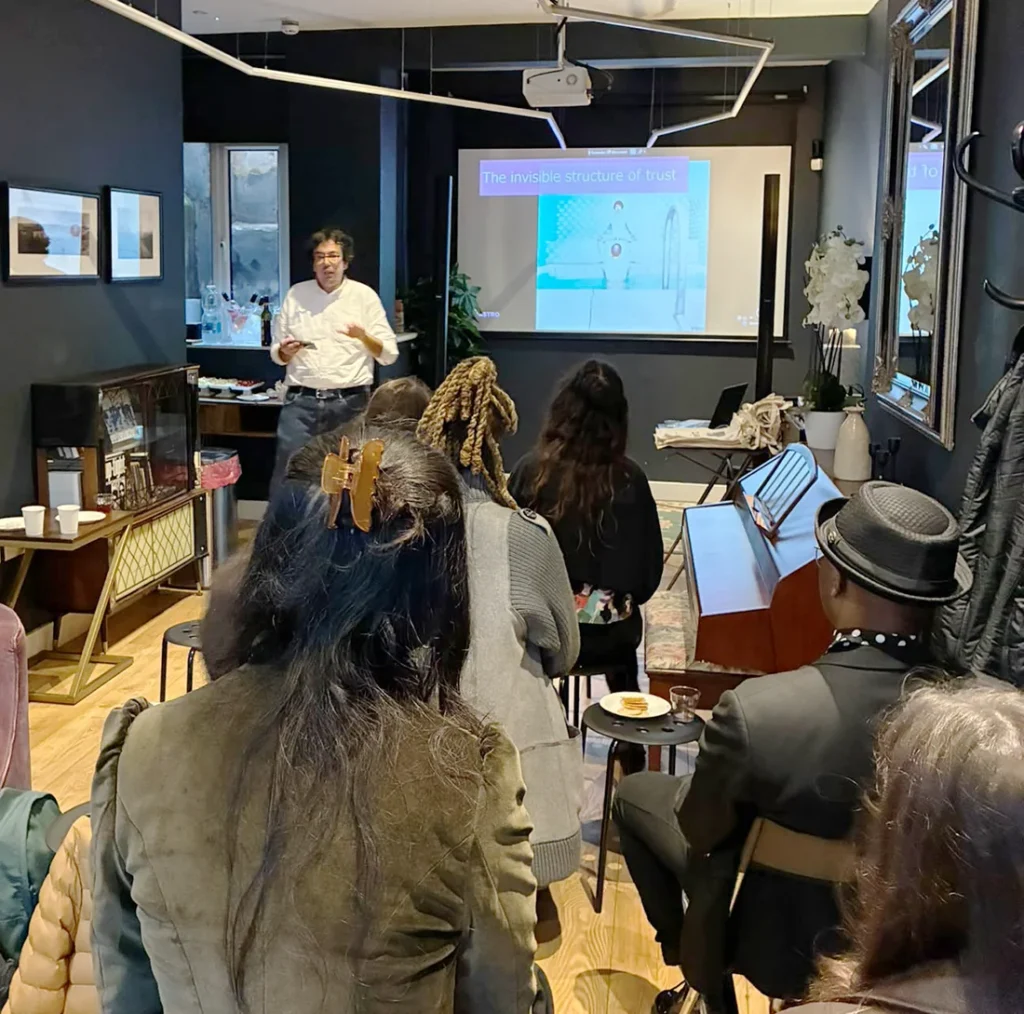
Younger collectors did not discover art as an asset class. They grew up immersed in it, so collecting has become an extension of identity, another form of self-expression rather than something separate from it. Nearly half discovered their favourite artist within the past two years, often without relying on traditional gatekeepers.
Preferences are shifting the market too. Gen Z now directs 45 percent of its art budget toward female artists, nearly double the boomer-era figure. Just over half also buy digital art, now the third most collected category after painting and sculpture, with demand continuing to expand.
The shift extends past what people buy into why they buy it.
In 2024, over half of collectors said they would eventually sell. Two years later, that number has dropped to one in four; three out of four now plan to keep what they buy. That is a change in motive, not a symptom of a soft market. The ROI conversation that used to dominate advisory relationships has quietly faded. People are not asking what a painting will return anymore. They are asking whether they can live with it.
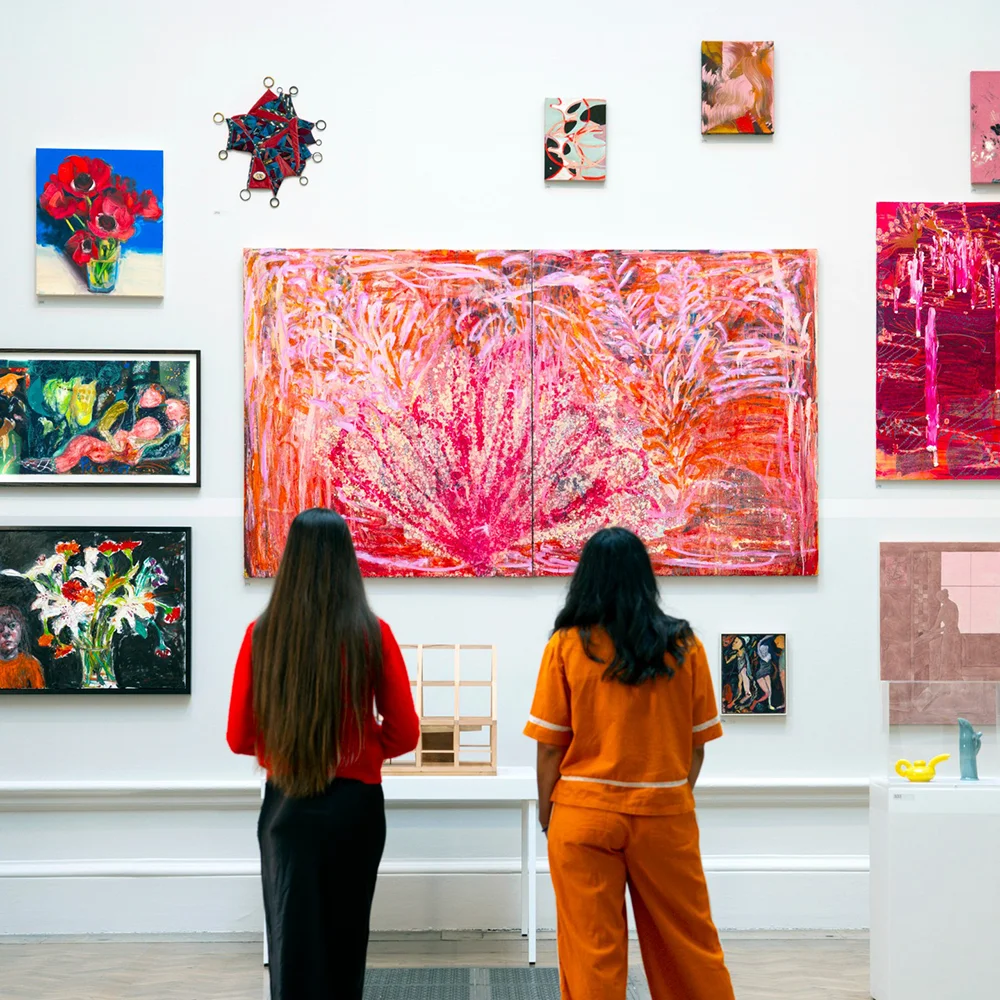
That commitment also changes how people gain access to the work they want. Today, at many galleries, much of what is hanging has already been placed before the show opens. Galleries call existing collectors first, and what the public sees at an opening is largely the remainder of a private conversation that happened beforehand. This is the real exclusivity in this market. It has very little to do with wealth.
Access depends as much on relationships as money, sometimes more. Someone with modest disposable income and a genuine, visible interest in an artist’s work can often get further than a wealthy stranger walking in cold. The real barrier to entry is participation: showing up consistently to openings, artist talks, and studio visits until you become a familiar face.
Buying the work is usually the beginning, not the end. Studio visits become a way to understand an artist’s practice with zero obligation to buy, and once a purchase happens, the relationship does not end at checkout. Collectors stay attached to that artist’s career for years, following new exhibitions, considering commissions, finding real satisfaction in watching someone they supported continue to grow.

Peruse Jennifer Nieuwland’s exhibition Strange Vessels
Access, however, should not be confused with investment certainty. None of this guarantees a return. Most art does not hold value in the short term, even work bought through a platform built specifically to surface emerging talent. The art market is worth roughly 60 billion dollars with no single pricing standard. Reputation and market confidence are earned slowly, through institutional collections, gallery representation, critical attention, and a track record that holds up over years, not months.
As for how to judge whether an artist is actually worth paying attention to, no single credential settles it, not a catalogue, a gallery show, or a glowing review. What matters is accumulation: solo exhibitions, group exhibitions, institutional and private collections, representation, and sustained critical attention over time. A prestigious catalogue may reinforce an established artist’s reputation, but by itself it tells you very little about an emerging one.
Medium bias is real too. Painting and sculpture are still favoured, but that preference is loosening. Video art is a fast-growing category among younger collectors, typically sold in small numbered editions that transfer ownership without exhibition rights, and plenty of artists build significant institutional careers (funded by grants and prizes) without ever building much of a private market. One of the most common mistakes new collectors make is assuming visibility and market standing are the same thing.
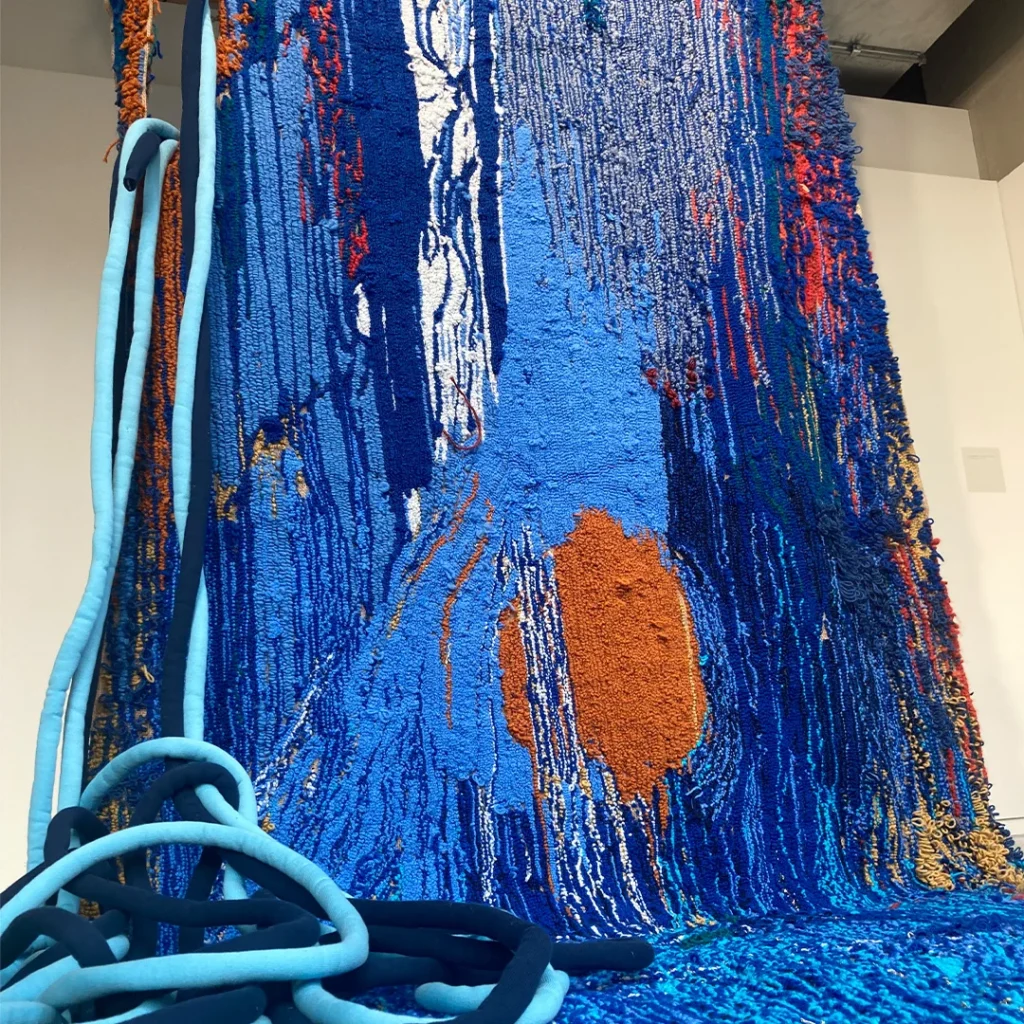
Explore Divya Sharma’s Shape of Identity
Another force is reinforcing this shift toward permanence. Some 124 trillion dollars will change hands generationally by 2048, the overwhelming majority of it to heirs rather than charity. At the same time, more collectors now intend to keep what they buy than sell it. As more collections remain intact across generations, ownership increasingly becomes a long-term decision rather than a temporary one.
The test collectors increasingly use is simple: if the market vanished tomorrow, would this specific piece still matter to them? If yes, that is a real purchase. If the honest answer is no, the purchase is driven more by expectation than conviction.
That attachment eventually becomes legacy. A large share of any room of collectors already owns art inherited from family, whether or not they think of themselves as collectors. Every acquisition becomes a decision that outlives the person making it: an aesthetic record, because taste shifts over time, and a signal, because a collection’s internal logic reflects the person who built it.
If there is a single thread underneath all of this, it is scarcity. The same force that makes a signed card or a rare sneaker valuable also underwrites the entire art market, with one difference. A painting can disappear from public view entirely: held privately, passed quietly down, enjoyed by one family for generations in a way a digital file rarely is. That is what ownership really means here: not unlimited visibility, but the ability for something meaningful to stay with one family across generations.
The event transcript has been edited and condensed for clarity.