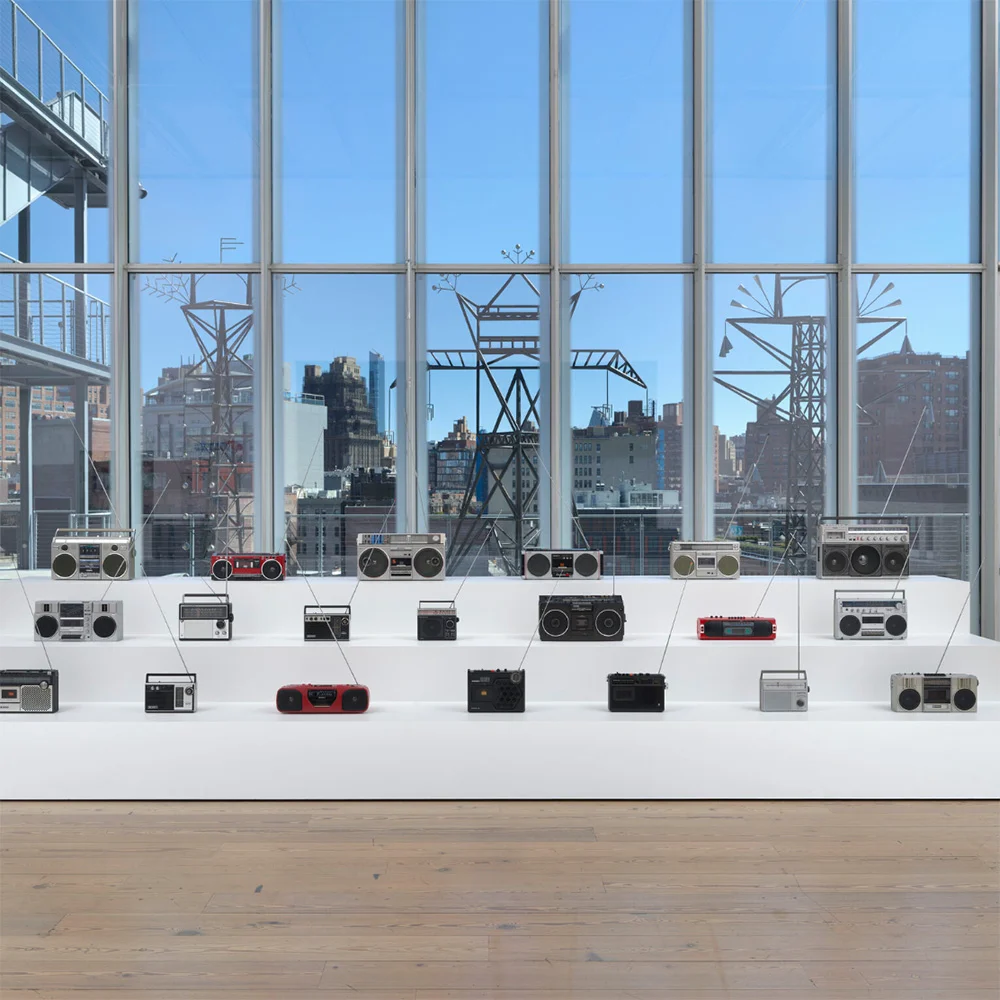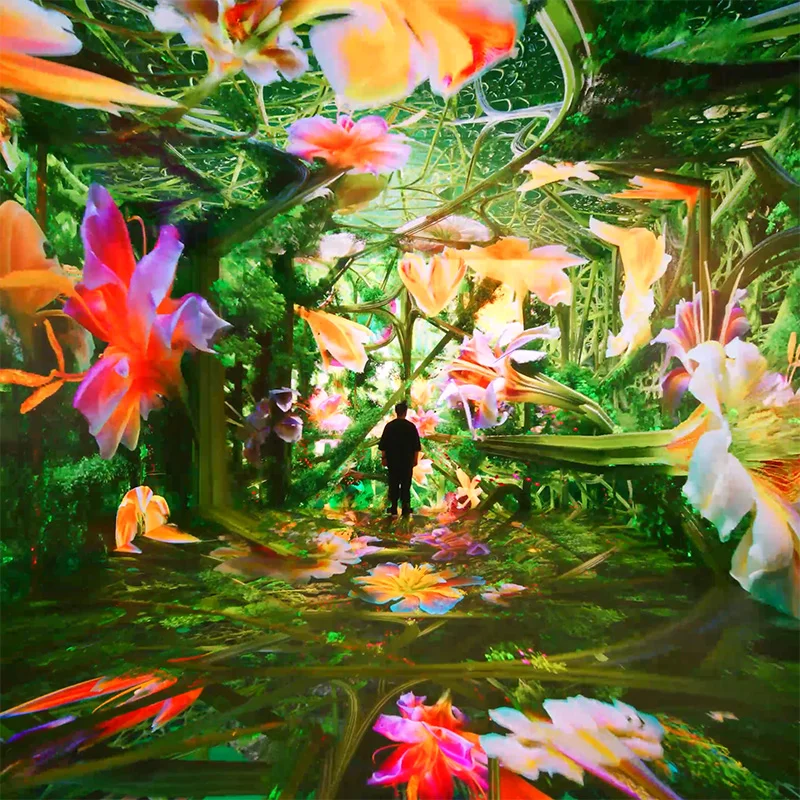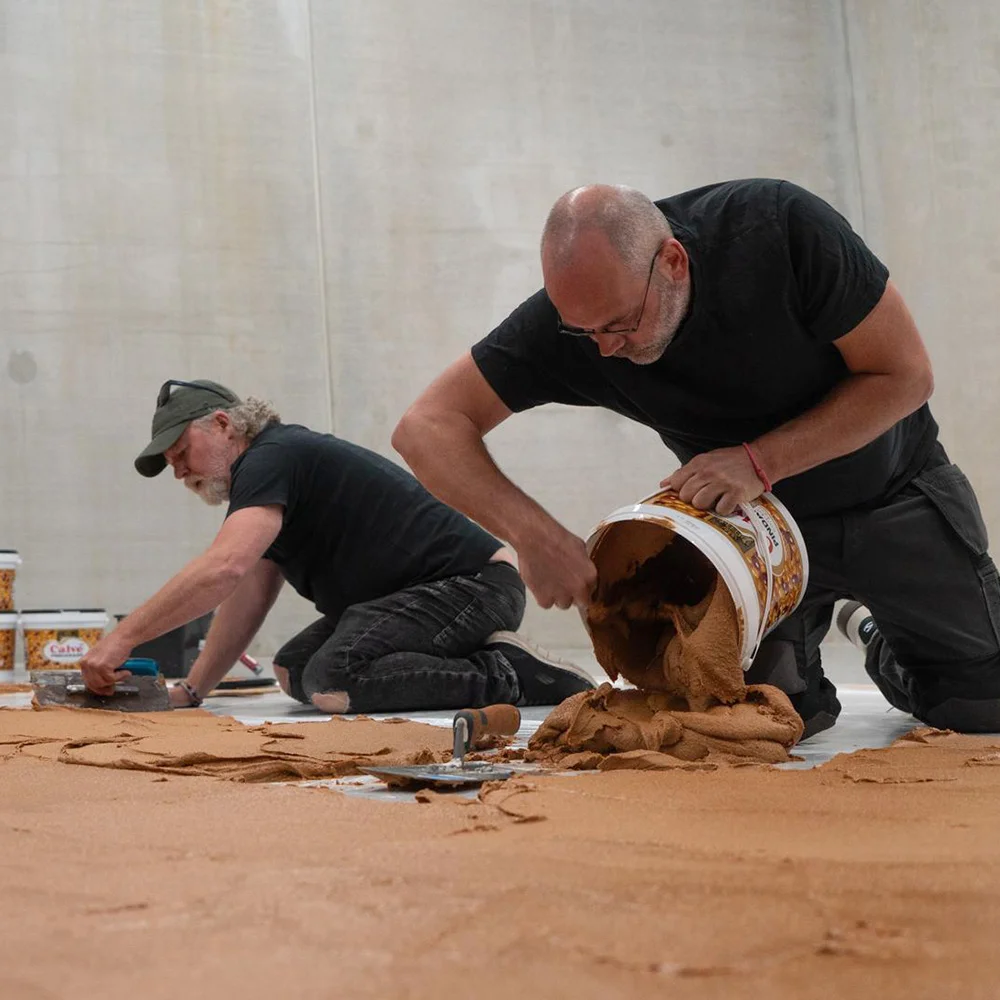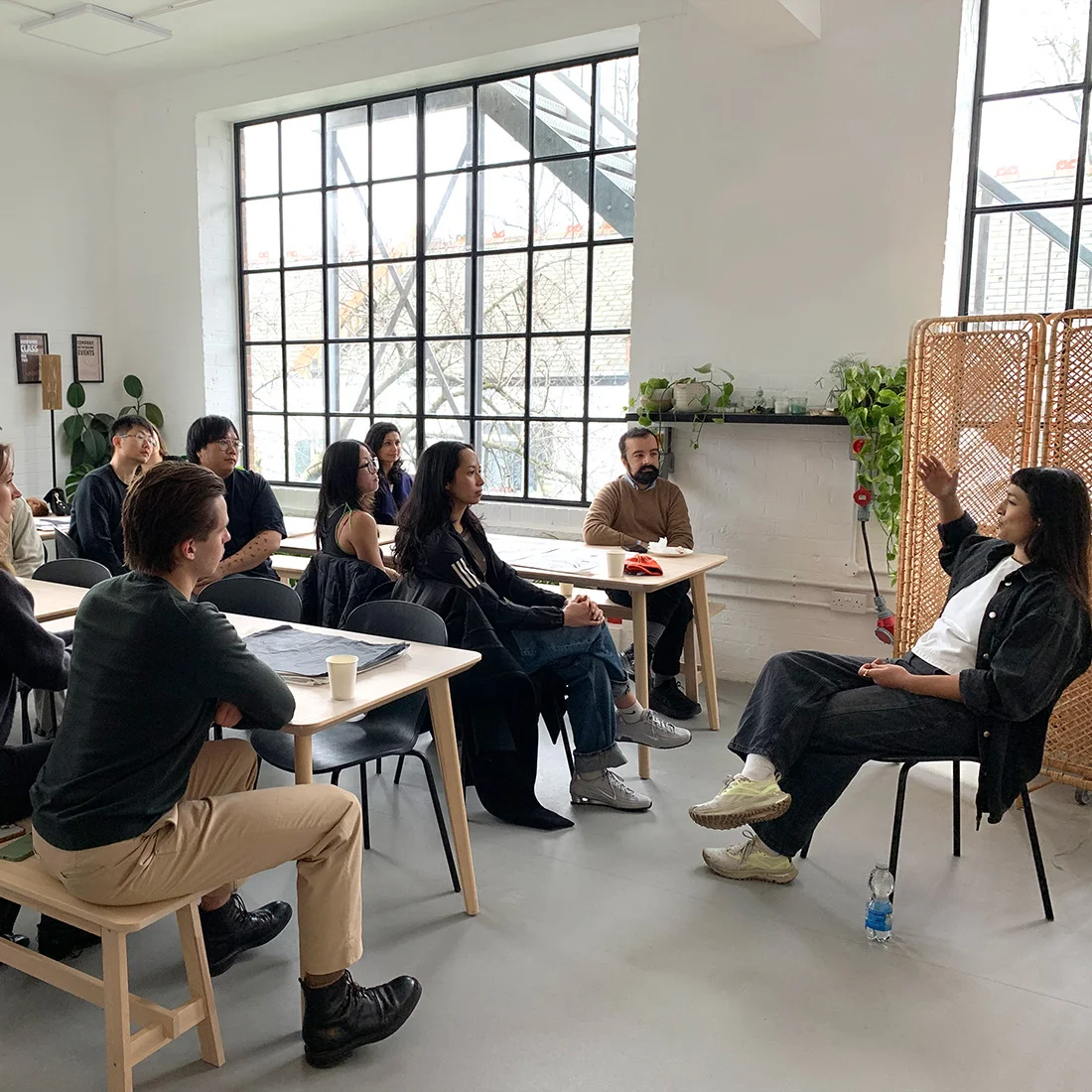

New York Art Week once again turned the city into a major global art hub, from TEFAF uptown to Frieze in Chelsea. Attention shifted this year to Esther, a small fair in the Estonian House, which ended after three editions while widely drawing strong acclaim.
Frieze New York continues to serve as the week’s central reference point. The 2026 edition gathered nearly 70 galleries from more than 25 countries at The Shed, balancing blue-chip presentations with younger and more experimental voices.
Latin American exhibitors were notably more visible this year, despite ongoing logistical and financial pressures. Across the fair, programming leaned toward international perspectives, speculative narratives, and artists engaging with memory, ecology, and systems of power.
Beyond Frieze, the week unfolded as a citywide circuit, linking uptown institutions like TEFAF, Sotheby’s previews, and major museums with downtown spaces focused on experimental programming. Auction houses also became public stops, with previews folding high-value works into the broader cultural itinerary.
Attention, however, often drifted toward Esther. Ending after just three editions, the fair built a reputation for resisting the polished commercial tone of larger events. Set within the historic Estonian House, it asked galleries to work with the building’s domestic scale and character, producing something closer to a curated exhibition than a conventional fair.
The final edition brought together 22 exhibitors, with strong representation from Eastern European and smaller international galleries. Installations frequently engaged with themes of dreams, mythology, ecological cycles, and imagined futures. While sales remained steady, the strongest response centred on the fair’s atmosphere rather than its market output.
In a week defined by scale, Esther’s appeal lay in its restraint. It prioritised pace, experimentation, and proximity, offering a counterpoint to the visibility-driven logic of larger fairs. That tension between spectacle and intimacy ran throughout New York Art Week 2026, where institutional scale and commercial ambition sat alongside smaller formats focused on dialogue and discovery.
Despite economic uncertainty and rising costs across the cultural sector, attendance remained robust. Collectors, curators, artists, and younger audiences moved continuously between fairs, museums, and gallery openings. The week reinforced New York’s position as a key global meeting point for the art world, even as it grappled with questions of fatigue, pressure, and sustainability.