In 2025, the art world is set to respond to changing global trajectory and emerging technologies. Bold experimentation and transformative dialogue will redefine contemporary art as artists explore personal narratives, social issues, environmental sustainability, and innovative tech tools.
Personal Narratives and Underrepresented Voices
2025 promises to be one of profound uncertainties—a new economic cycle emerging, AI technology advancing at an unprecedented pace, and populations displaced by escalating geopolitical tensions. Yet, these very upheavals are likely to galvanize artists, compelling them to confront and articulate, with boldness and candor, what it means to navigate the complexities of being human in our contemporary era.
Personal storytelling will continue to serve as a cornerstone of contemporary art. Building on the legacy of Jean-Michel Basquiat’s neo-expressionism, which confronted personal experiences with racism, classism, and oppressive power structures, contemporary artists will persist in mining their own narratives to craft resonant works. Emerging voices like Sasha Gordon, for instance, have captivated audiences with deeply intimate yet universally relatable portrayals of the Asian queer diasporic experience.
Art as Social and Cultural Commentary
Art will increasingly function as a powerful lens through which to critique societal structures, inspire introspection, and foster solidarity among underrepresented communities. In 2025, both artists and collectors are poised to champion historically marginalized narratives, celebrating distinctive auteur styles that amplify these voices with originality and depth.
For instance, Ai Weiwei’s Neither Nor delves into themes of culture, human rights, government accountability, and freedom of speech, confronting binary thinking and authoritarianism. This tradition of ‘activist art’ as social critique will continue to flourish in 2025, fostering dialogues on race, gender, and equality.
Similarly, Firelei Báez intertwines personal identity with Caribbean mythology and traditions. In works like Josephine Judas GOAT (2017), her vivid compositions and daring interplay of textures celebrate and reframe Caribbean culture and history, offering a nuanced lens on collective memory and heritage.
Exploring the Past
It is not only the themes of the past that are being revisited but also its aesthetics. Artists like Jessica Brilli, with her vintage-inspired work Gas Station, seamlessly merge nostalgia with contemporary perspectives, encouraging viewers to reimagine and engage with bygone eras. This resurgence highlights the enduring influence of tradition in shaping new narratives within contemporary art while deepening our understanding of how the past continues to resonate in the present.
Simultaneously, many artists are exploring the collective memory of shared histories. Denzil Forrester, for instance, emerges as a powerful chronicler of London’s Black community in the 1980s. His works, such as Street Music (1989) and The Players (1983), celebrate expressive freedom through their vibrant compositions and dynamic storytelling, preserving the spirit of an era with striking emotional depth.
Sustainability and Environmental Awareness
Many artists have increasingly used eco-friendly materials and practices to raise public awareness of environmental issues. This genre, known as sustainable or climate change art, boldly confronts topics like deforestation, pollution, and global warming.
Artists like John Gerrard and Extinction Rebellion have harnessed the power of installations to advocate for urgent climate action, while Pekka Niittyvirta and Leandro Erlich employ striking visuals to critique humanity’s devastating impact on nature. This expanding realm of environmental art will continue to galvanize social activism, shaping collective awareness of the intricate human-nature relationship. By blending artistic expression with educational purpose, these works inspire dialogue and action toward a more sustainable future.
Tech-Enhanced Art
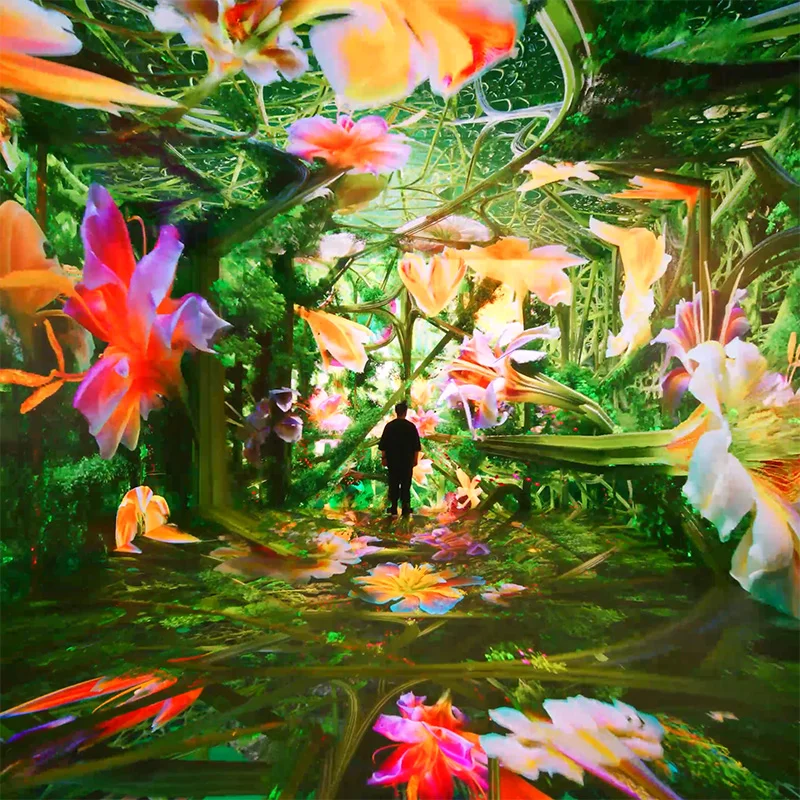
Artists are increasingly embracing innovative tools such as AI, AR, projections, and interactive installations, pushing the boundaries of creative expression. Visionaries like Sasha Stiles, with her ‘AI alter ego,’ and Refik Anadol, known for Machine Hallucinations, are already redefining the relationship between human agency and machine programming. This hybrid approach is poised to permeate diverse disciplines, from music and sculpture to fashion, fostering a new era of interdisciplinary creativity and technological exploration.