
Inside the national pavilions of the 61st Venice Biennale, this year’s strongest works emerge through texture, atmosphere, and spatial experience rather than spectacle. Many artists seem less interested in overwhelming viewers than in slowing them down, creating exhibitions that reward attention, movement, and physical presence.
One of the most discussed presentations is the German Pavilion, where Sung Tieu and Henrike Naumann transform the space into a psychologically charged environment shaped by the memory of East Germany and the aftermath of reunification. Reconstructed interiors, industrial materials, torn fabrics, and subtle architectural interventions create a setting that feels both domestic and unstable. Rather than operating as a traditional exhibition, the pavilion becomes an inhabitable state of tension.
The British Pavilion offers a quieter but equally precise experience. Lubaina Himid presents paintings and sound works exploring belonging, distance, and visibility. Figures move through calm landscapes and carefully arranged interiors, while emotional unease lingers beneath the surface. The work avoids theatricality, relying instead on pacing, silence, and restrained contrasts to build emotional weight.
Meanwhile, sculptor Alma Allen fills the U.S. Pavilion with large-scale works in wood, bronze, and stone for Call Me the Breeze. The sculptures feel organic and weathered, as if shaped slowly over centuries. Critics remain divided on the pavilion overall, though many agree that the relationship between material, scale, and light gives the exhibition a meditative quality.
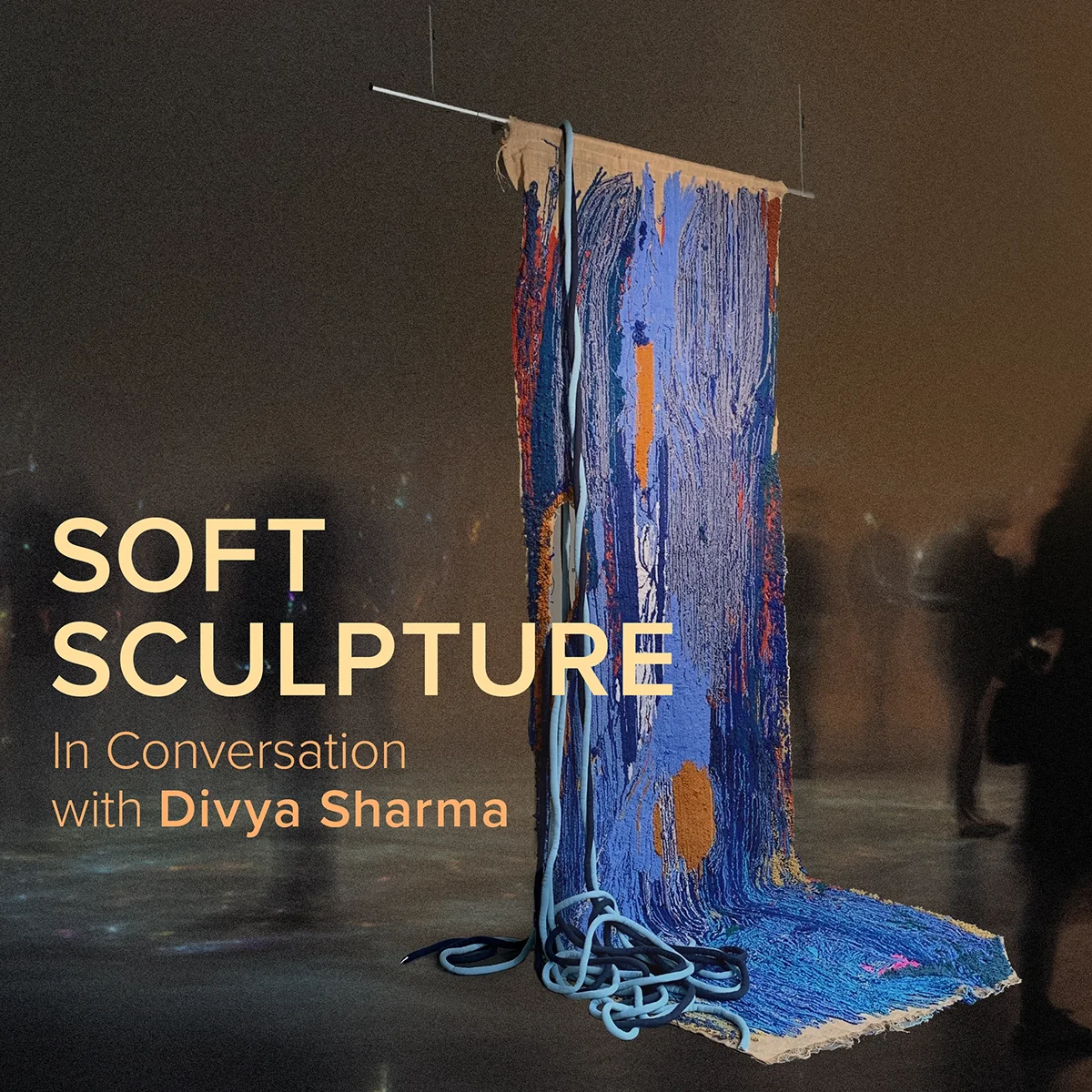
Elsewhere across the Giardini and the Arsenale, recurring themes of craftsmanship, sustainability, and ancestral knowledge continue to emerge. Several pavilions use handmade processes and traditional techniques to approach contemporary questions around ecology and cultural memory. Textiles, ceramics, weaving, woodwork, and earth-based materials appear throughout the exhibition, marking a noticeable shift away from purely digital forms.
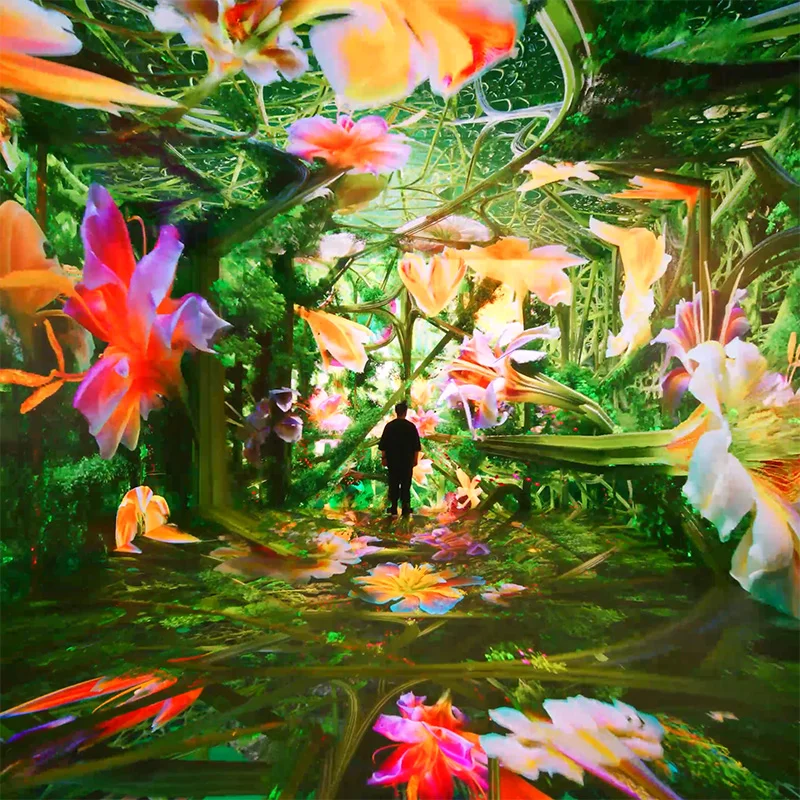
Australia’s pavilion, led by Khaled Sabsabi, has also become one of the Biennale’s emotional highlights. The immersive installation combines spirituality, sound, and atmosphere in a way that encourages stillness rather than confrontation. After months of controversy surrounding the project’s cancellation and reinstatement, many visitors now describe the pavilion as unexpectedly moving.
What defines this year’s pavilions most clearly is their relationship to space. Architecture no longer functions simply as a container for artworks. Walls, lighting, sound, pathways, and emptiness become active parts of the exhibition itself. Some pavilions feel dense and claustrophobic, while others open into moments of stillness. Moving through them becomes as important as the individual works they contain.
Many critics suggest approaching this year’s 61st Venice Biennale slowly. The most memorable exhibitions are often not the loudest, but the ones encountered between major crowds and headline pavilions.