


-


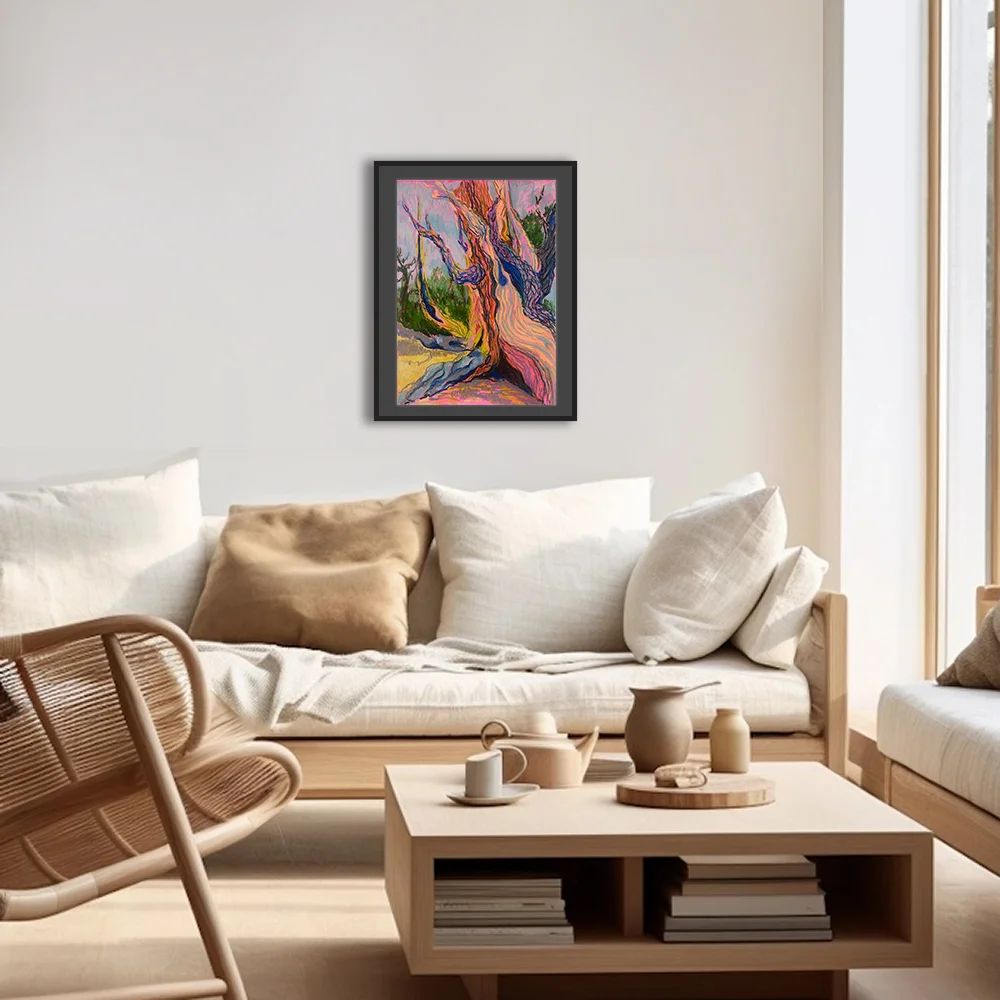
Rebecca Byrne A Cloak of Adaptation (2024)
Watercolour, gesso… (framed)(h) 40 x (w) 30 cm
-
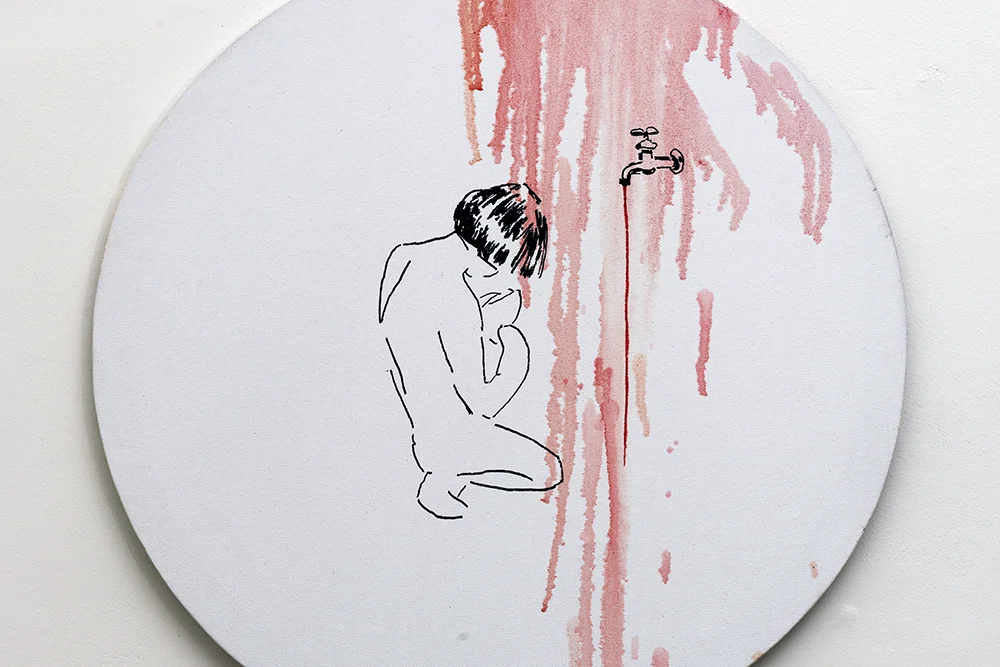
Rebecca Byrne Haptic Feedback (2024)
Acrylic, gesso… (framed)(h) 40 x (w) 30 cm
-
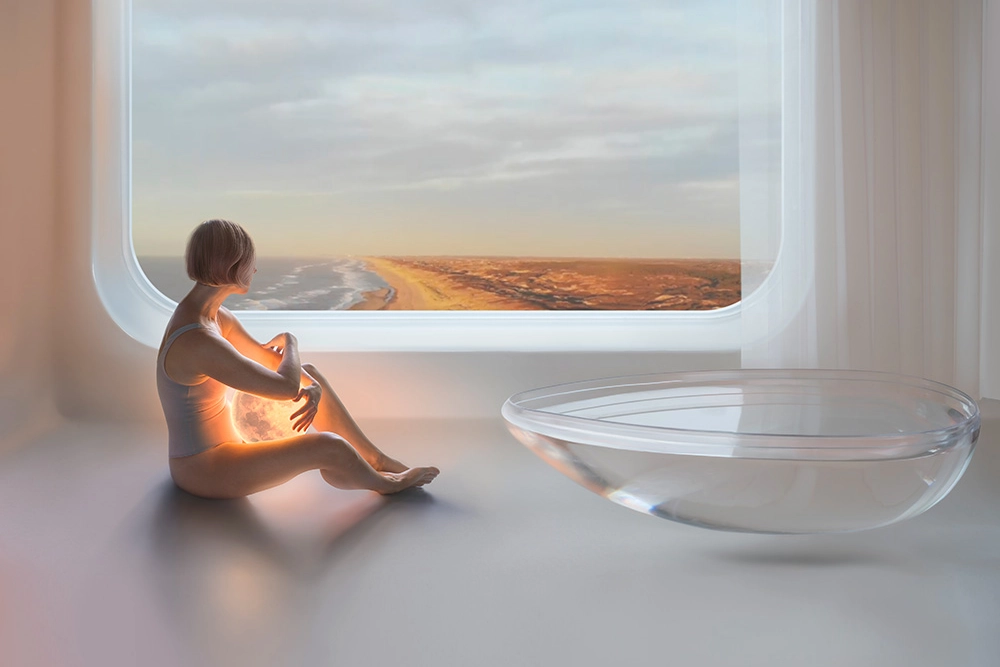
Rebecca Byrne Hole Trying to be Whole (2024)
Watercolour, gesso… (framed)(h) 40 x (w) 30 cm
-
Rebecca Byrne Most of the time I think we re ok (2025)
Watercolour, gesso, acrylic…(h) 56 x (w) 76 cm
-
Rebecca Byrne Spinning the Thread of Life (2024)
Acrylic, gesso… (framed)(h) 40 x (w) 30 cm
-
Rebecca Byrne They drank silently from Urdswell (2024)
Acrylic, gesso… (framed)(h) 40 x (w) 30 cm
-
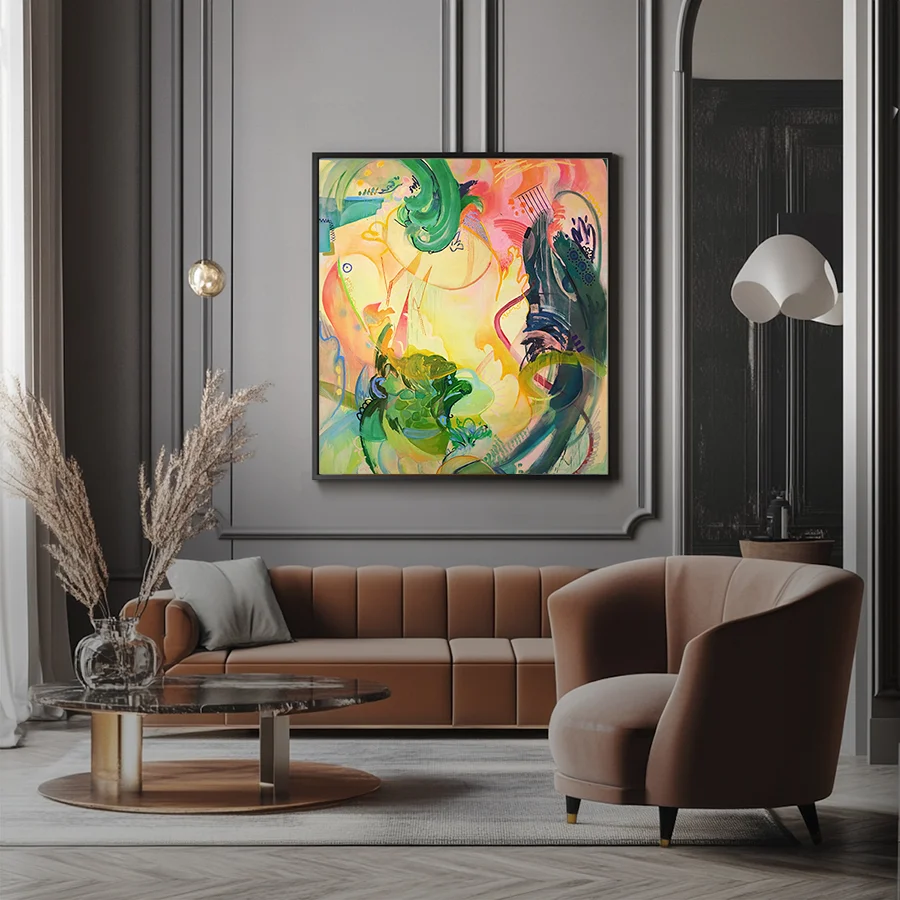
Rebecca Byrne Walking in the Garden of Turbulence (2025)
Acrylic and pastel on canvas(h) 70 x (w) 60 cm each



NextGen Collectors: Contemporary Art Collecting Today
In June 2026, Zarastro Art hosted NextGen Collectors: Contemporary Art Collecting Today, an evening discussion in London exploring how contemporary art is acquired, experienced, and valued. The event examined the changing relationship between collectors, artists, and artworks, and how ideas of identity, value, and cultural participation are shaping a new generation of collectors. Most people who own art did not
Whitney Biennial 2026: America Without Easy Answers
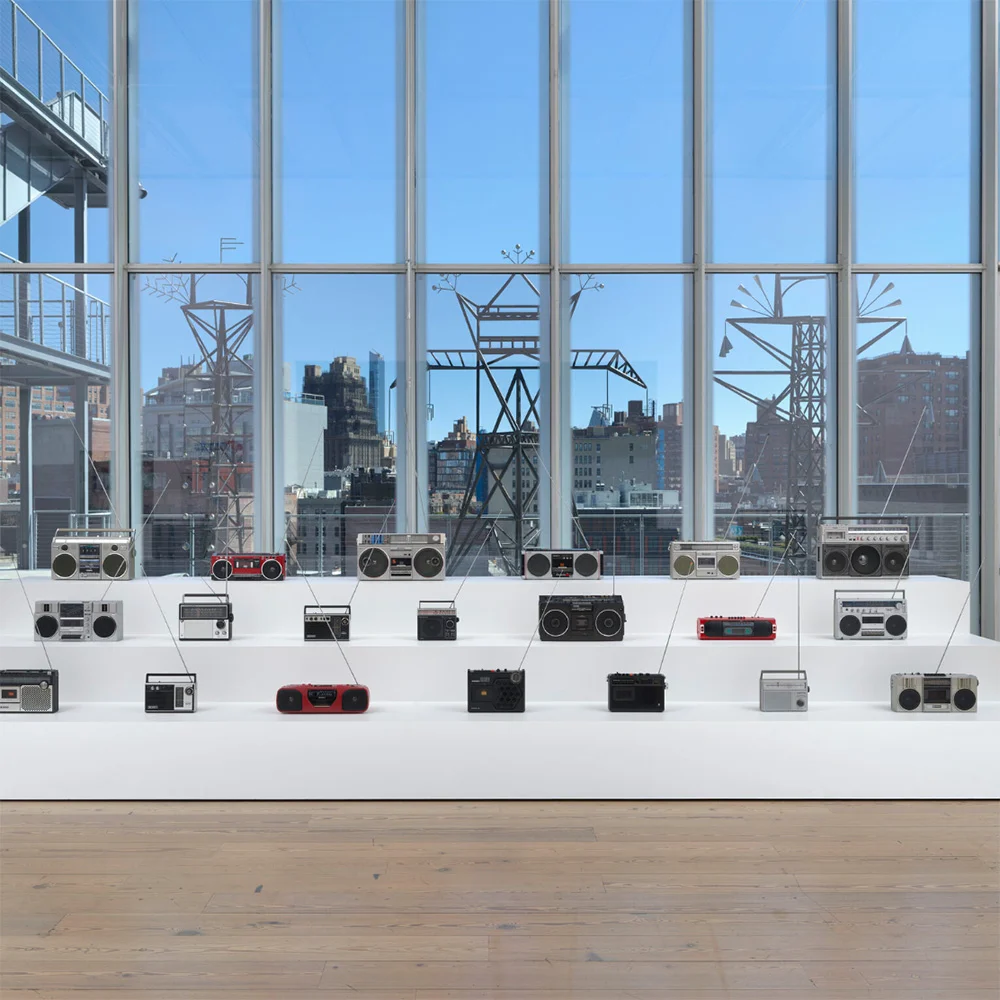
The Whitney Biennial has long asked what it means to be American. As the United States marks its 250th anniversary, this year’s exhibition refuses easy answers. Instead, 56 artists explore grief, belonging, and interspecies kinship in New York’s most talked about and hotly debated exhibition. Several works give the Whitney Biennial 2026 its emotional weight. Kelly Akashi’s Monument (Altadena) is
Inside Refik Anadol’s DATALAND, the World’s First AI Art Museum
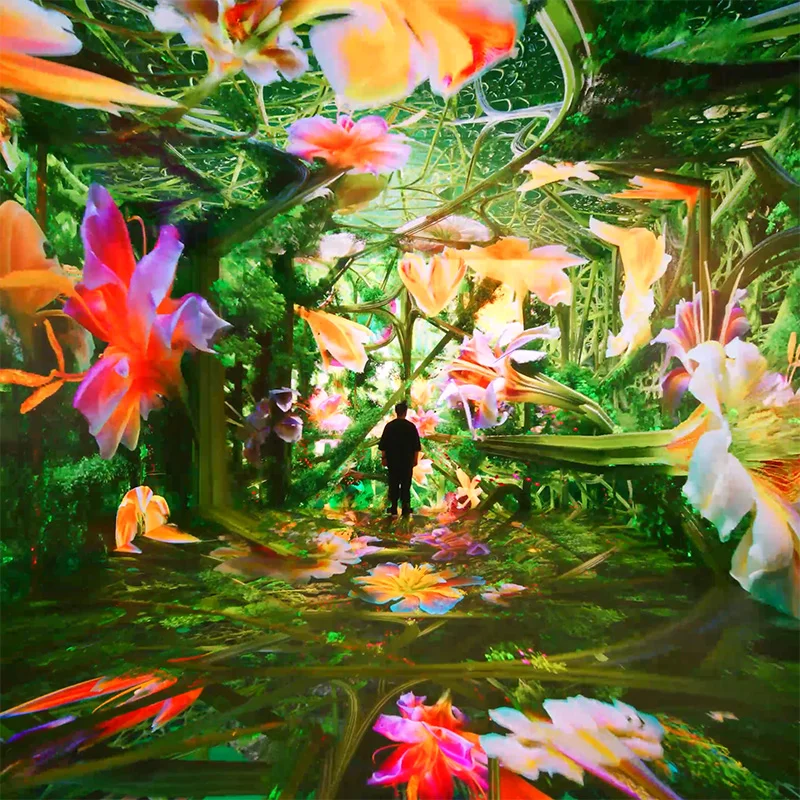
Imagine walking into a museum where artworks respond to your heartbeat and even the scents adapt to your body’s signals. That is the promise behind DATALAND, media artist Refik Anadol’s new Los Angeles institution, whose founders describe it as the world’s first museum dedicated to AI-driven art. Anadol founded DATALAND with his wife and longtime creative partner, painter and cultural
Rotterdam Museum Pays Tribute to Wim T. Schippers with Peanut Butter Floor
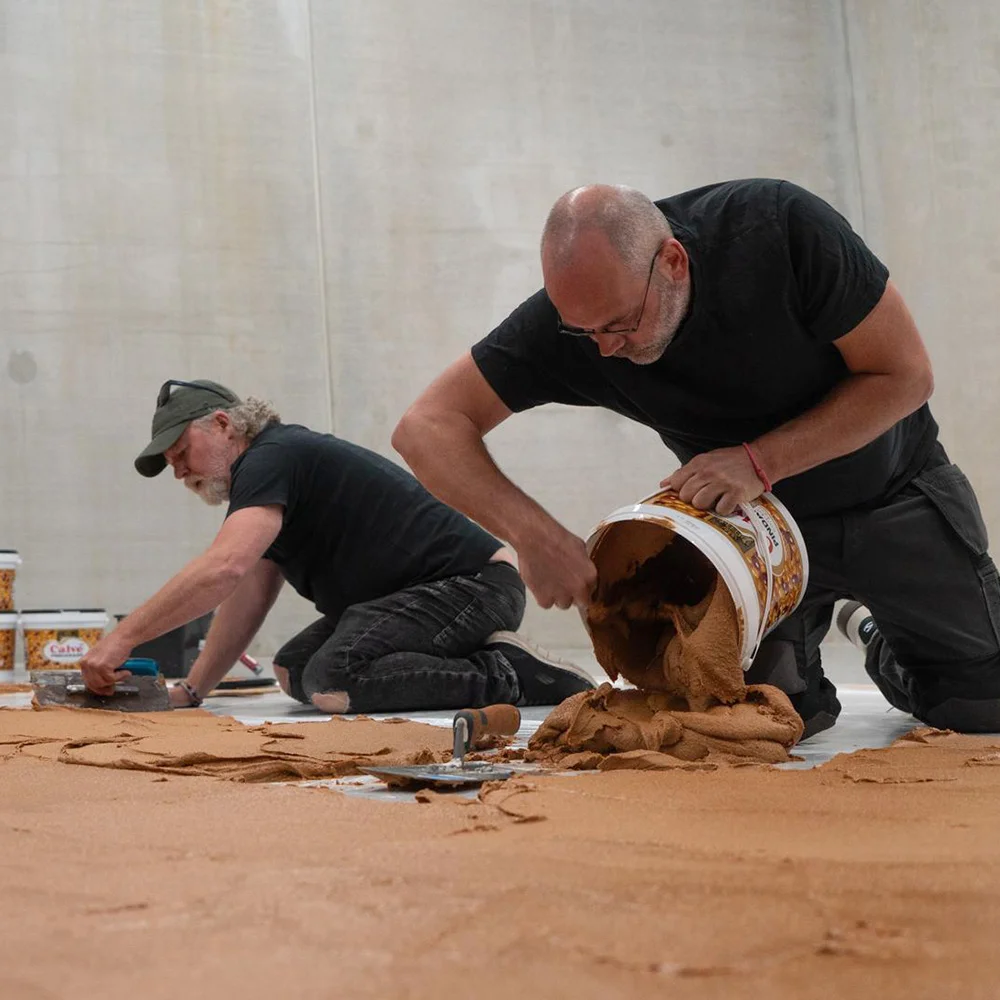
More than 800 pounds of peanut butter cover the floor of Museum Boijmans Van Beuningen in Rotterdam, reviving one of Wim T. Schippers’ most iconic conceptual works. Staged after the artist’s death last month, the installation celebrates his lifelong commitment to redefining what art can be. Installed at the museum’s Depot, Pindakaasvloer (Peanut Butter Floor) consists of a 270 square
Ai Weiwei’s Button Up! Reassembles History
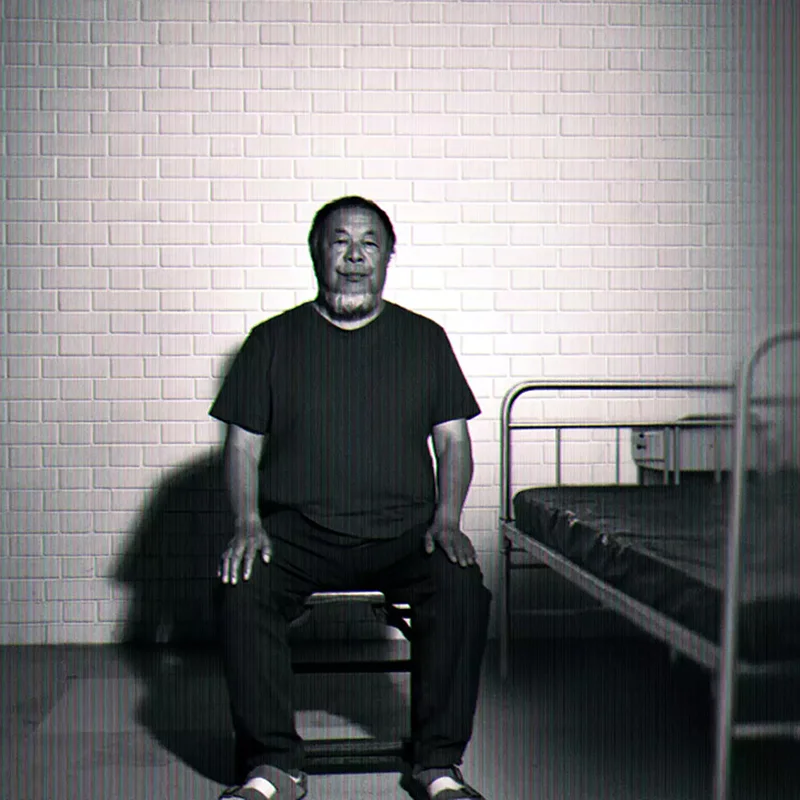
Ai Weiwei’s Button Up! examines the intertwined histories of China and Britain through an ambitious exhibition of sculpture, installation and new commissions. Set within a former industrial hall in Manchester, it explores empire, industrialisation, migration and censorship, revealing how history shapes today’s political and humanitarian realities. Button Up! is Ai Weiwei’s most expansive exhibition in northern England to date. Conceived
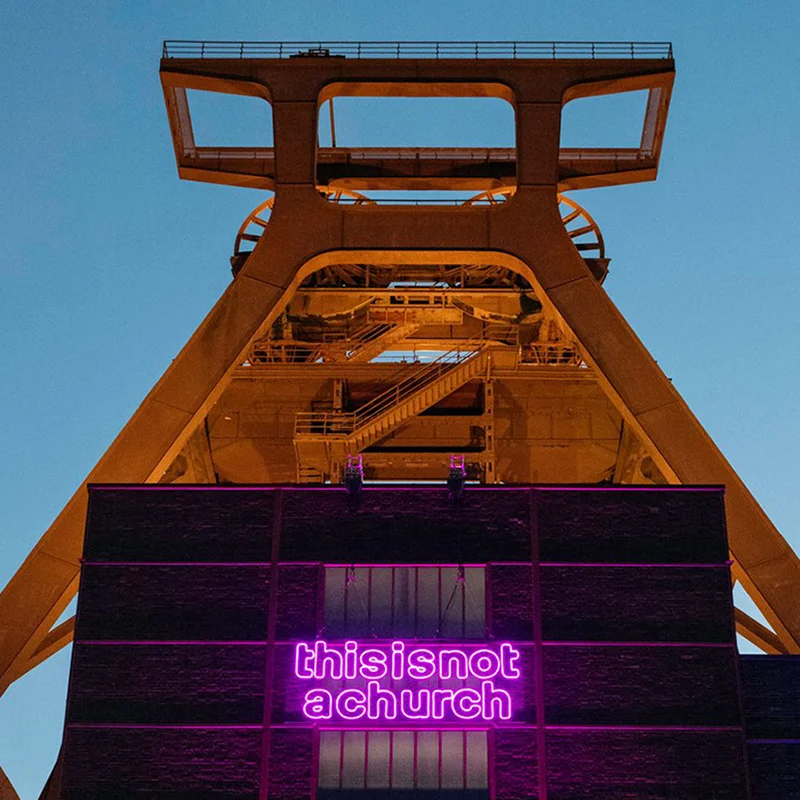
Manifesta 16: This Is Not a Church
Manifesta, the nomadic European biennial that uses each edition to engage with the social and historical realities of its host region, presents its sixteenth edition across Germany’s Ruhr Area, transforming disused postwar churches into spaces for art, dialogue, and community, exploring how history can unite. Manifesta 16 unfolds across Duisburg, Essen, Gelsenkirchen, and Bochum, with twelve former or underused churches