Jan Tichy
Portals of Form
Through March 31, 2024
Even the most basic form or unremarkable line possesses the capacity to contain hidden knowledge. Within these shapes and gestures lie clues to the ideas and cultural context from which the artwork emerged. Despite numerous endeavors throughout history, artists and historians have come to acknowledge the challenge of separating an artwork from the circumstances surrounding its creation.
It is at the intersection of aesthetics and the act of creation that artist Jan Tichy reexamines the concept of form, incorporating the surrounding time, environment, and social structures. Through his minimalist perspective, he allows the world to fade away, enabling the subject, the narrative, and the emotions of his subjects to take center stage.
Exhibition Playlist
Jan Tichy's diverse artistic practice offers intimate glimpses through captivating, abstract, and minimalist approaches. His engaging simplicity unveils a connection to a place or time that cuts through the chaotic nature of our present day.
The artist's unique approach embodies a methodology he refers to as Social Formalism. He repositions the lineage of formalism that dates back to the 19th century, where artists transformed subjects into their fundamental formal elements. Through his exploration of light, architecture, and objects, Tichy distills the underlying social, political, and cultural shifts related to specific concerns.
About the Artist
Contemporary artist Jan Tichy (b. 1974) investigates the intersection of video, sculpture, architecture, and photography. Tichy, who was born in Prague and now calls Chicago home, received his MFA from the School of the Art Institute of Chicago after studying in Israel. His works have been shown at renowned institutions all over the world and have been included in prestigious collections including the Israel Museum in Jerusalem and the Museum of Modern Art in New York.
Career Highlights
Major Solo & Group Shows
Museum of Contemporary Art (Chicago)
Santa Barbara Museum of Art
Kunsthalle Osnabrueck (Germany)
The Broad Museum (Michigan)
Richard Gray Gallery (Chicago)
Fridman Gallery (New York)
Institutional Collections
Museum of Modern Art (New York)
Museum of Contemporary Photography (Chicago)
Israel Museum (Jerusalem)
Magasin 3 (Stockholm)
Publications
Artforum
Art in America
Frieze
Domus
Aesthetics of Terror
Chicago Makes Modern
After Architecture
Themes
Memory and History
Light and Space
Perception and Experience
Medium
Print
Video
Photography
Installation
Sculpture
Portals of Form
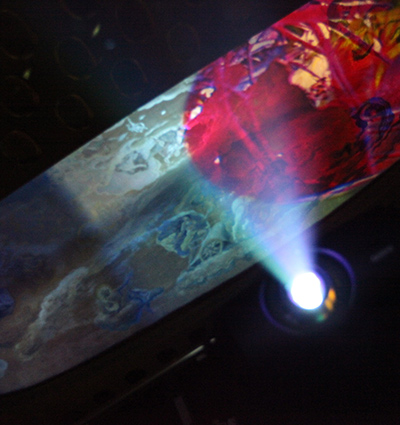
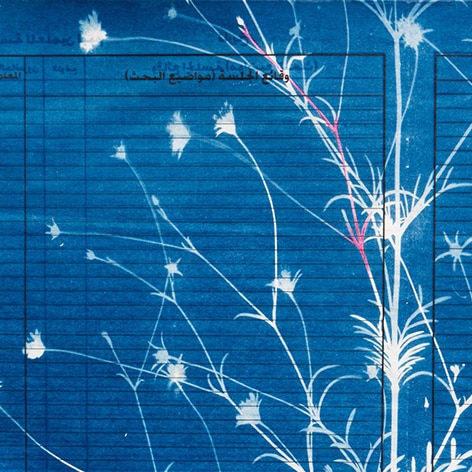
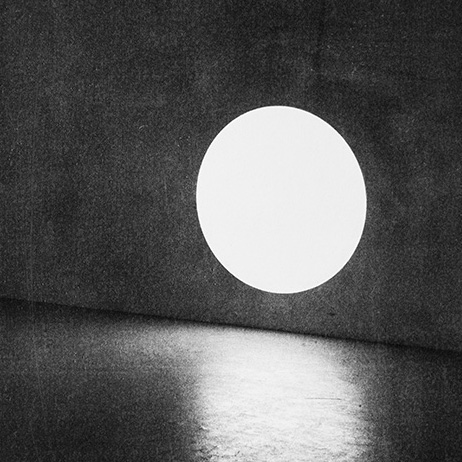
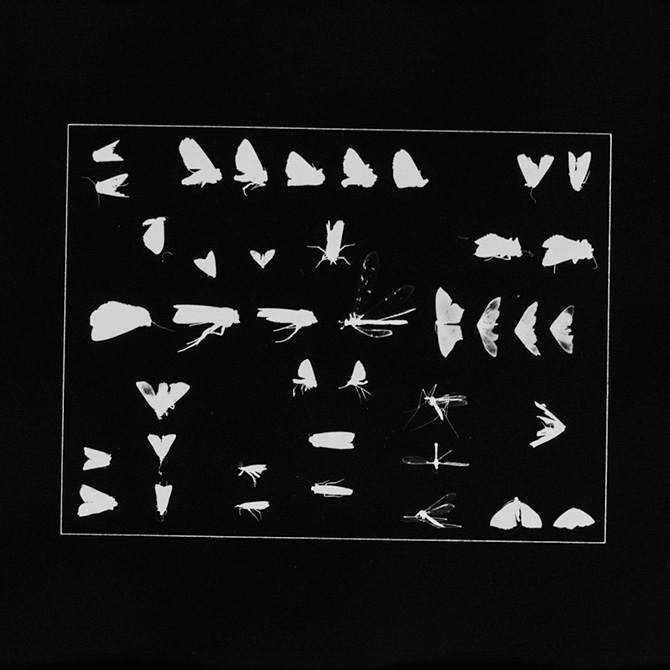
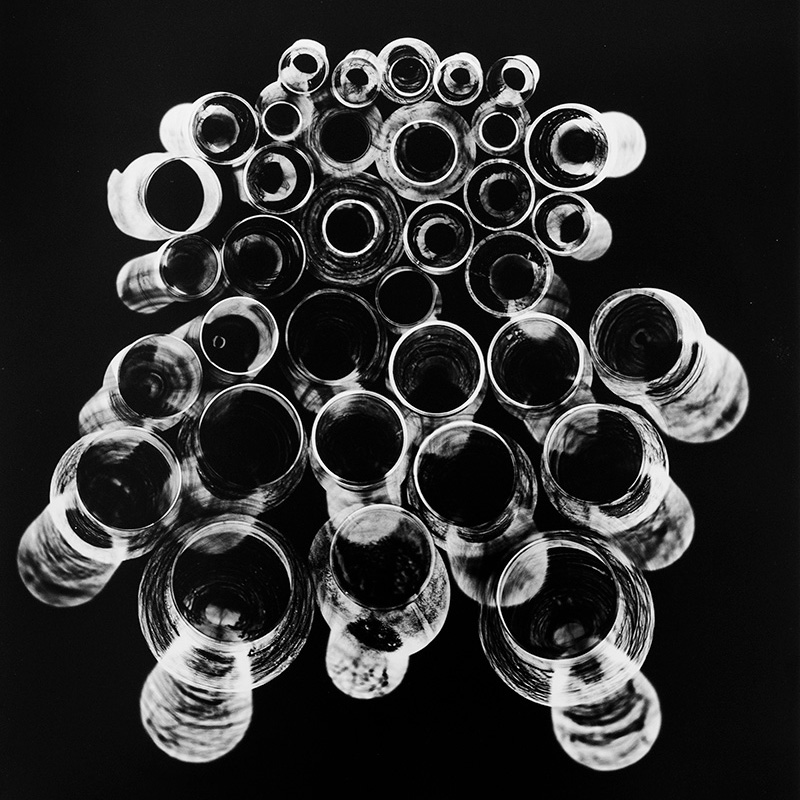
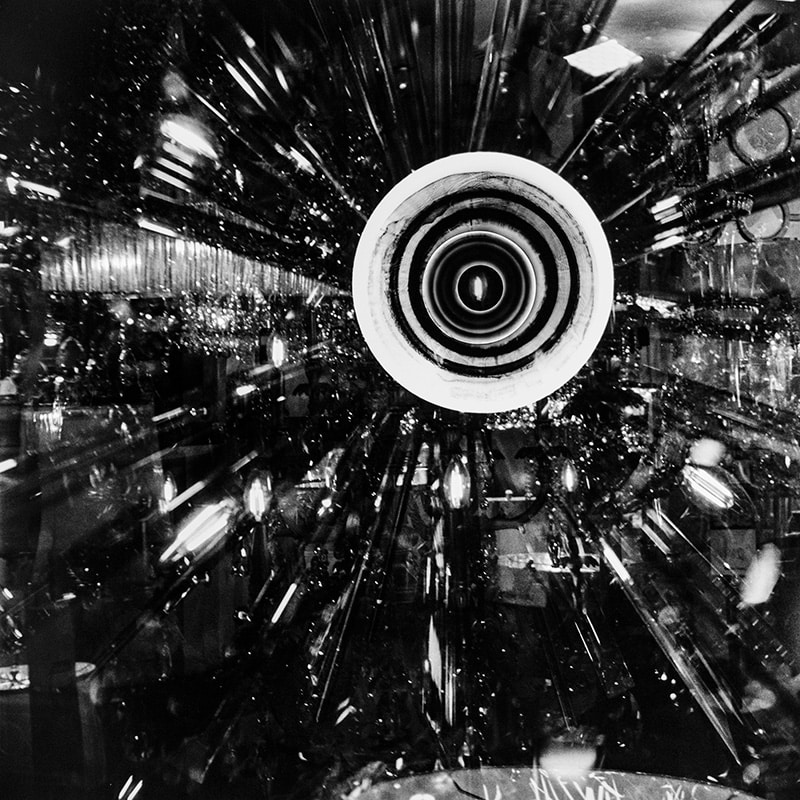
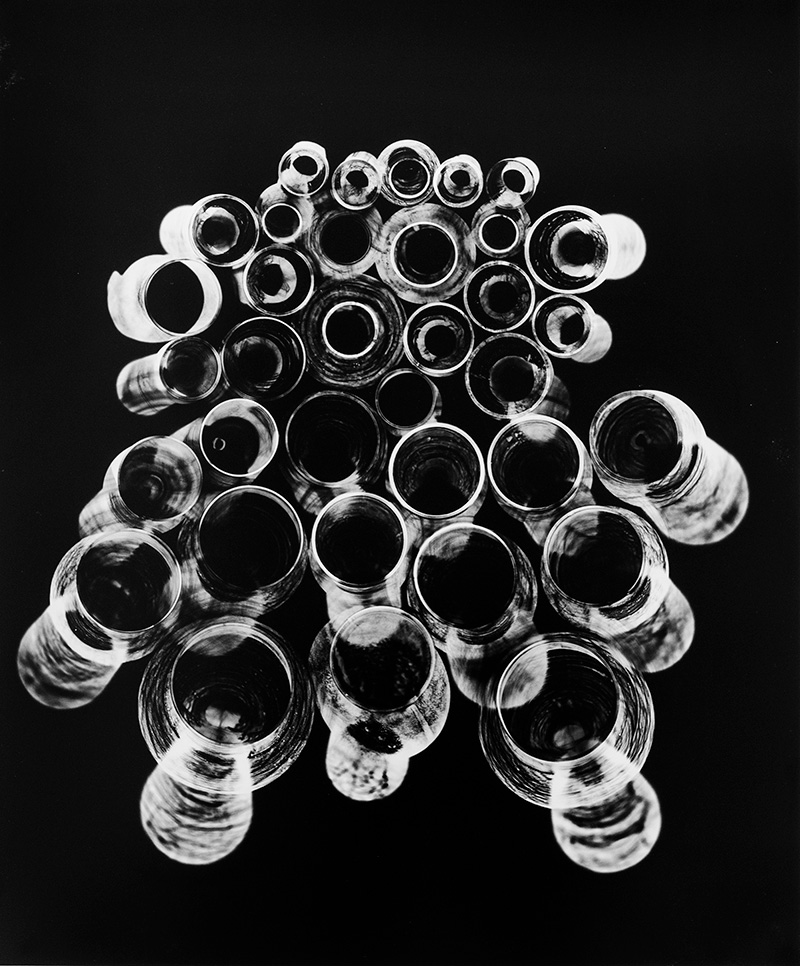
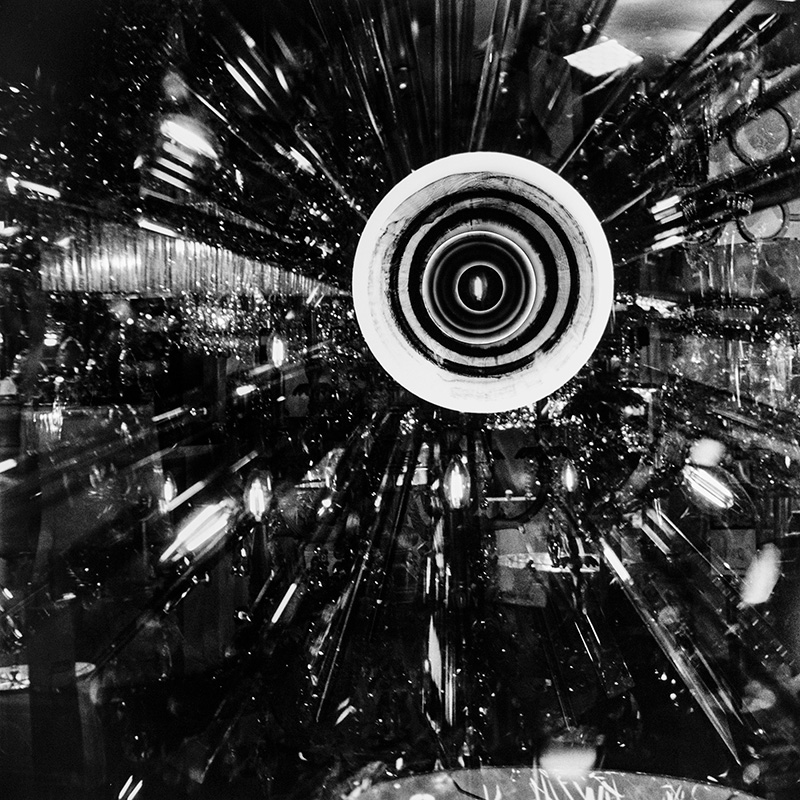
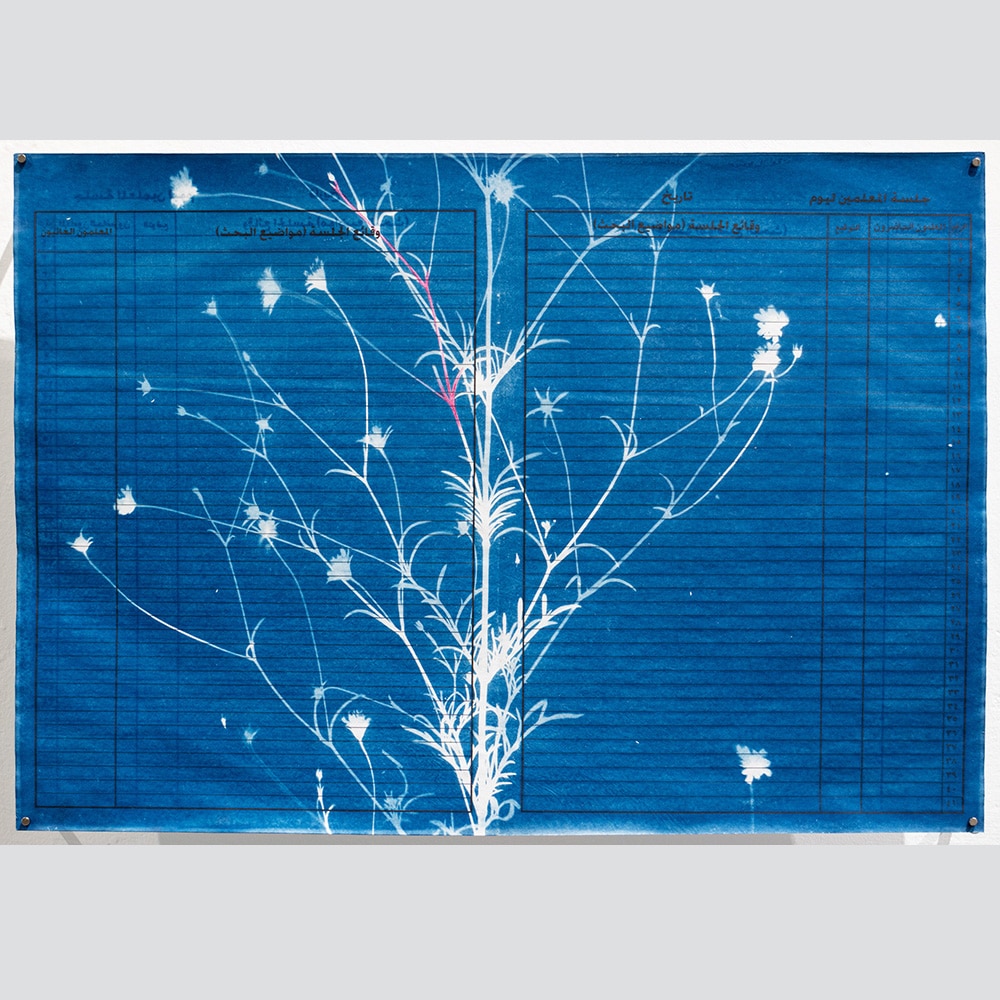
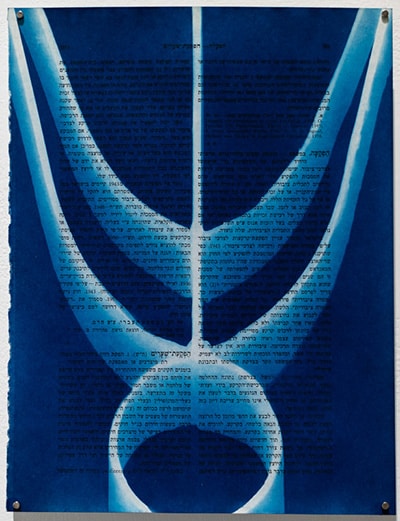
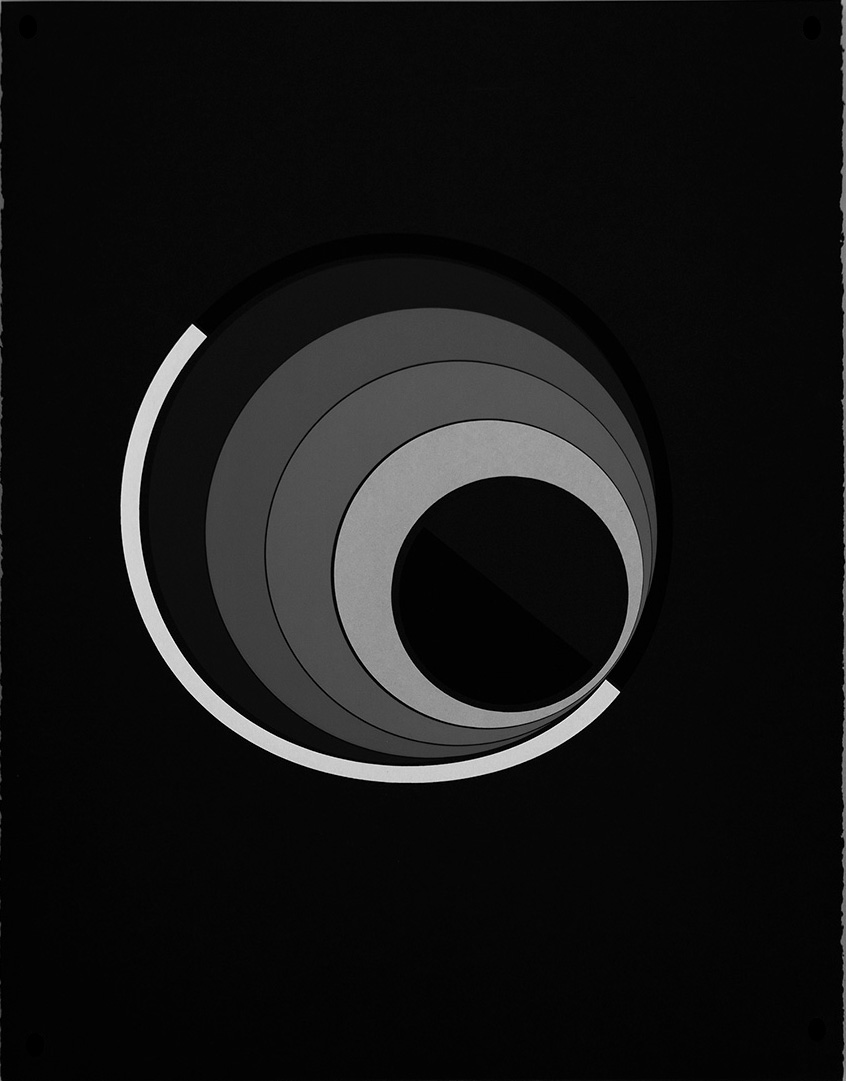
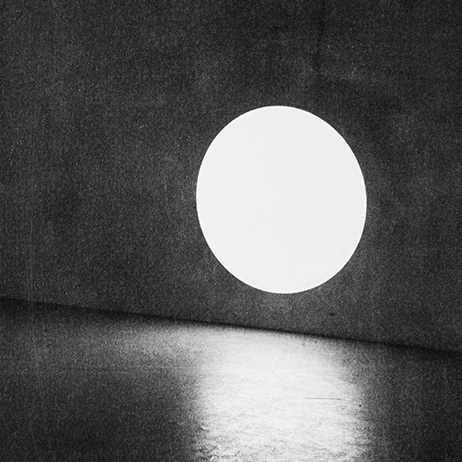
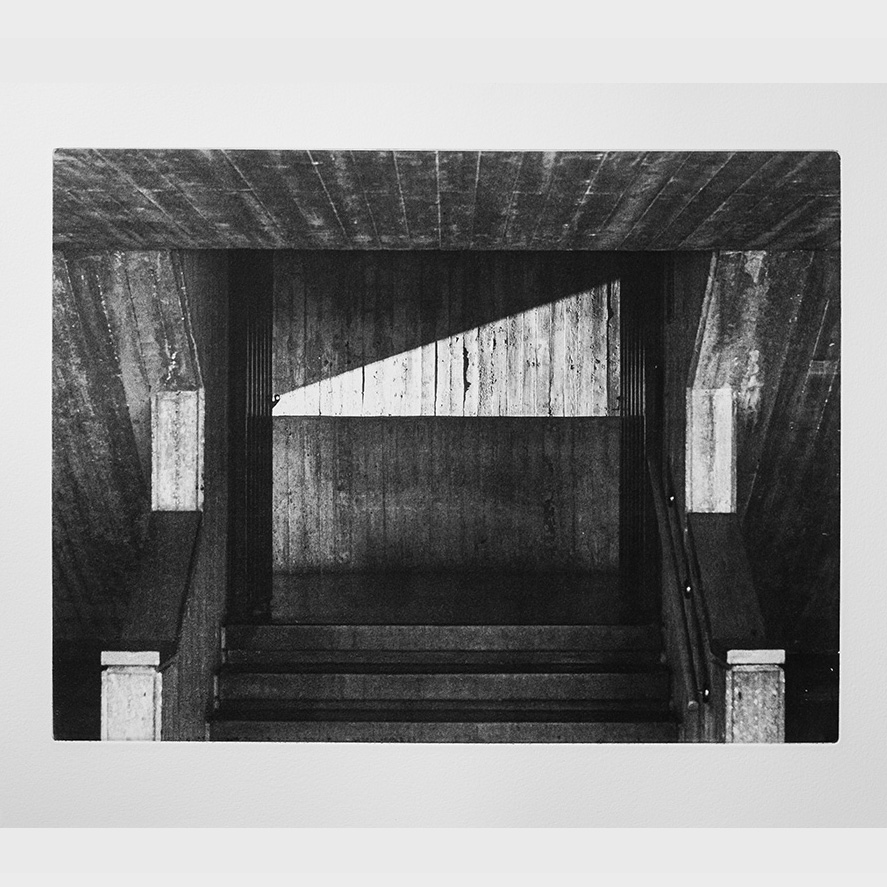
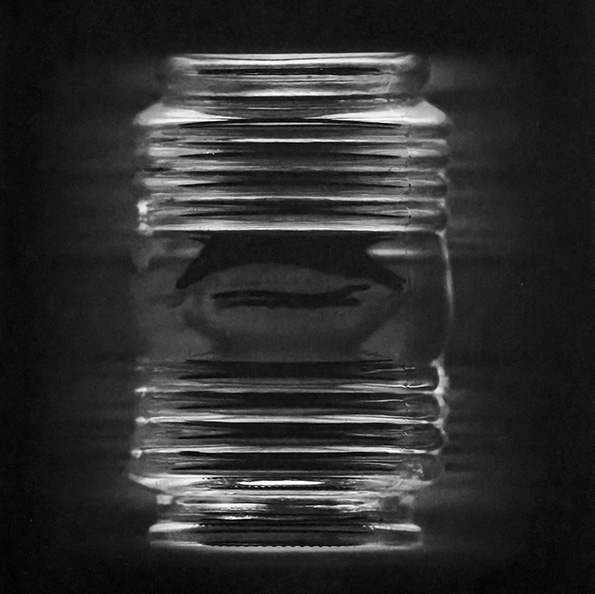
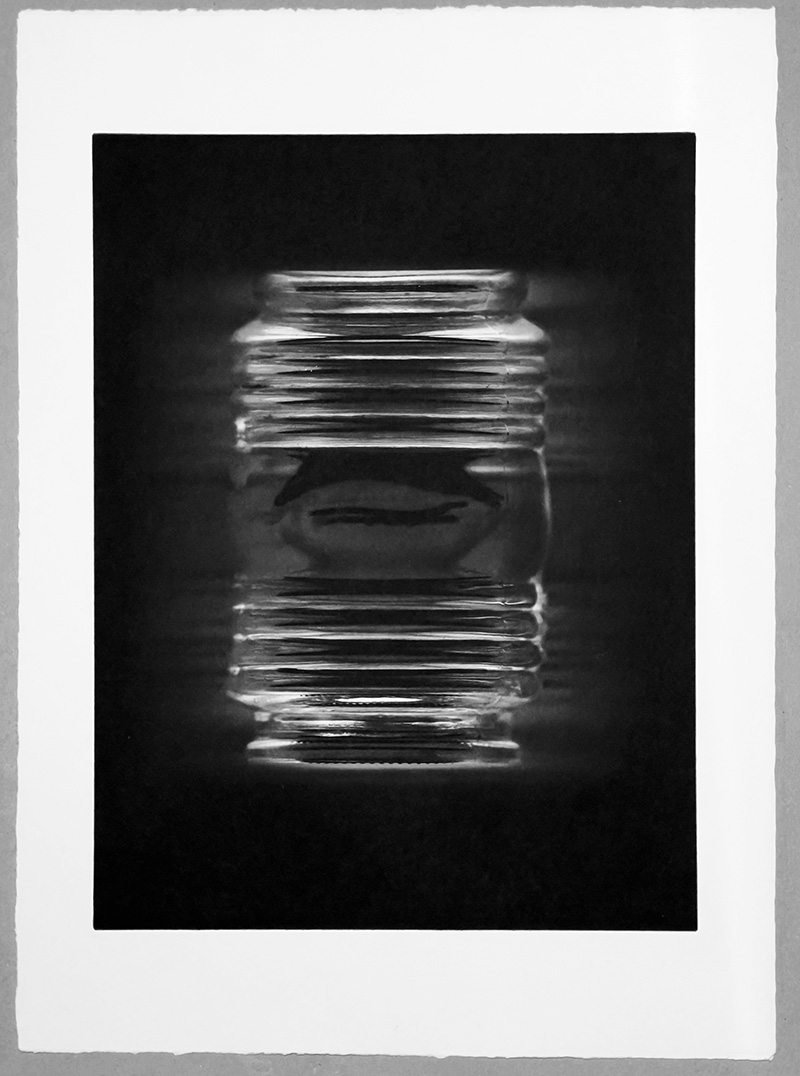
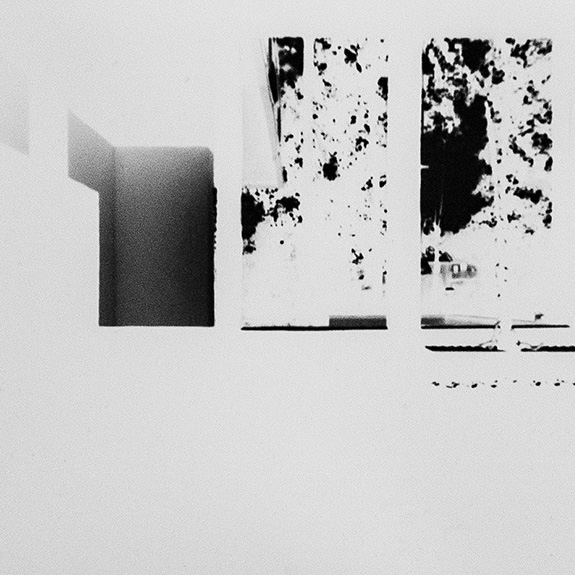
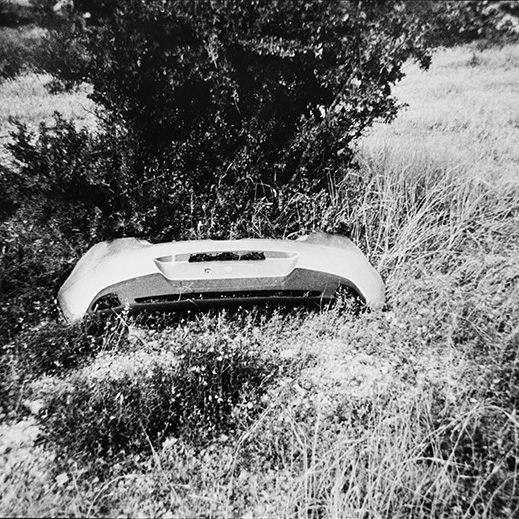
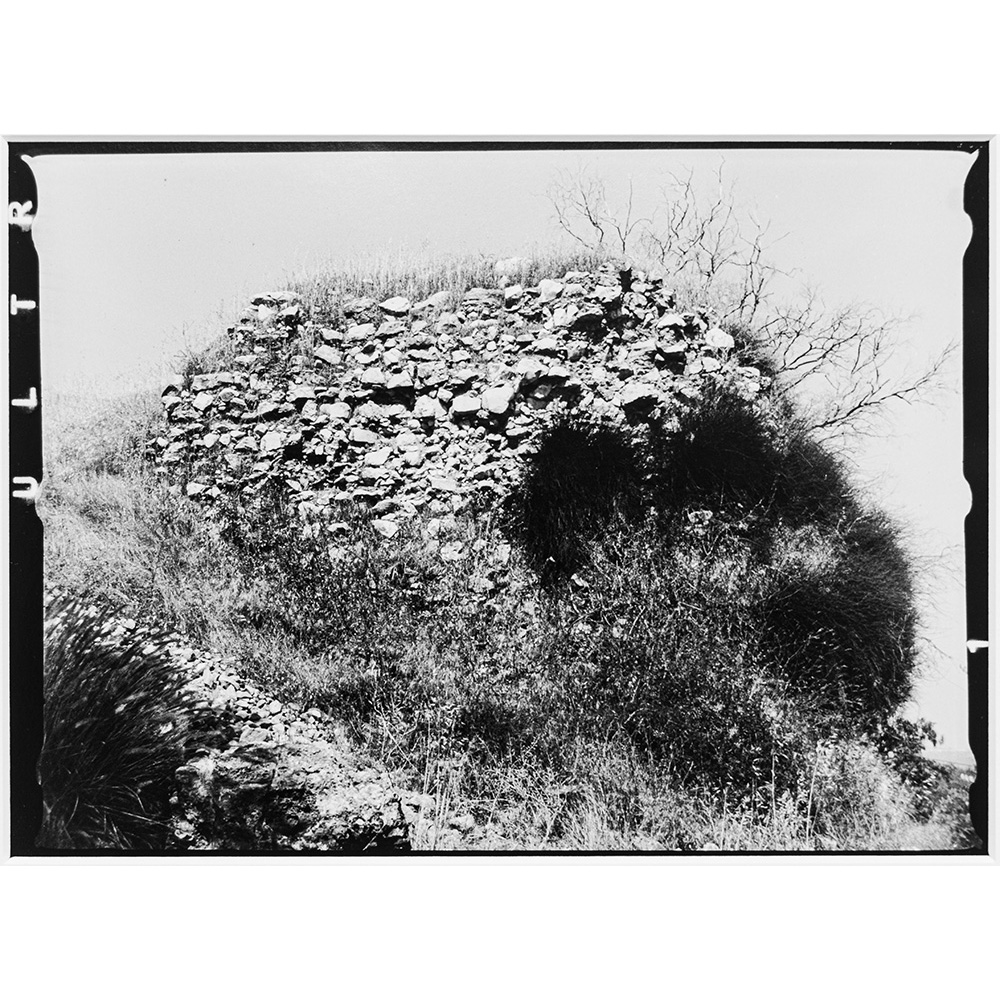
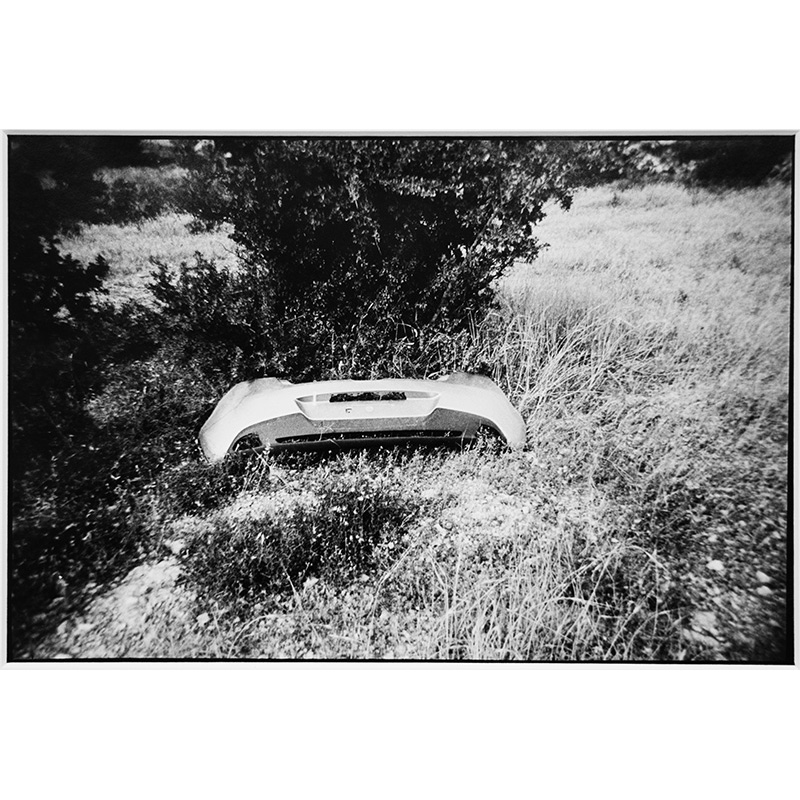
Within this collection, viewers encounter photograms and etchings that modulate light to reveal the energy of various sites and architectural structures. His photographs present unexpected juxtapositions of real-life situations, resulting in unforeseen forms.
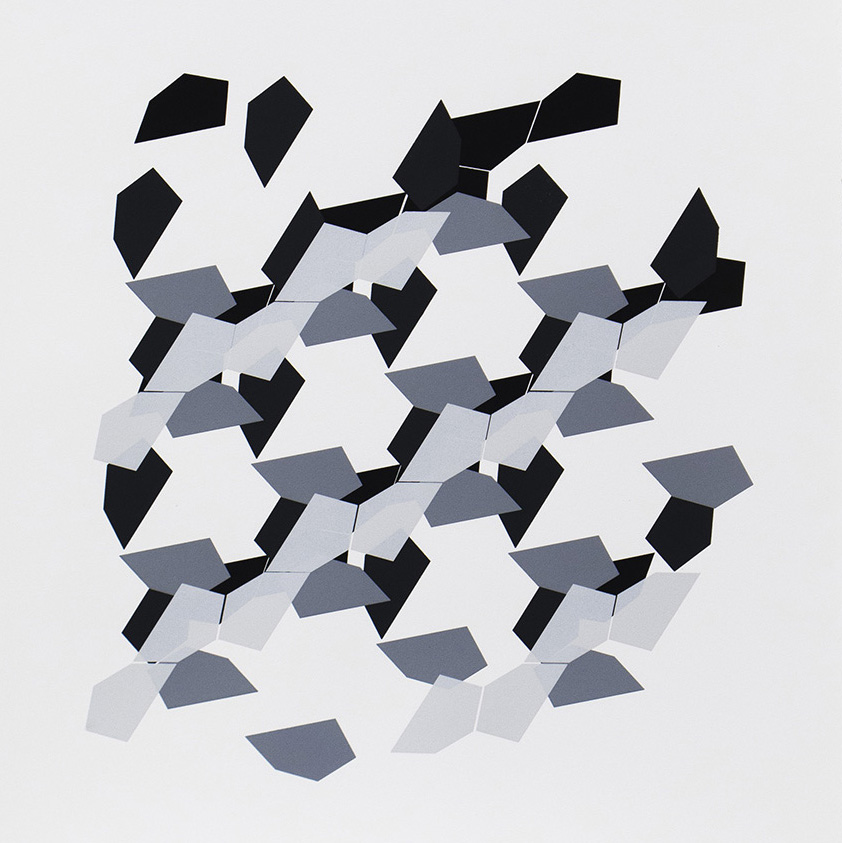
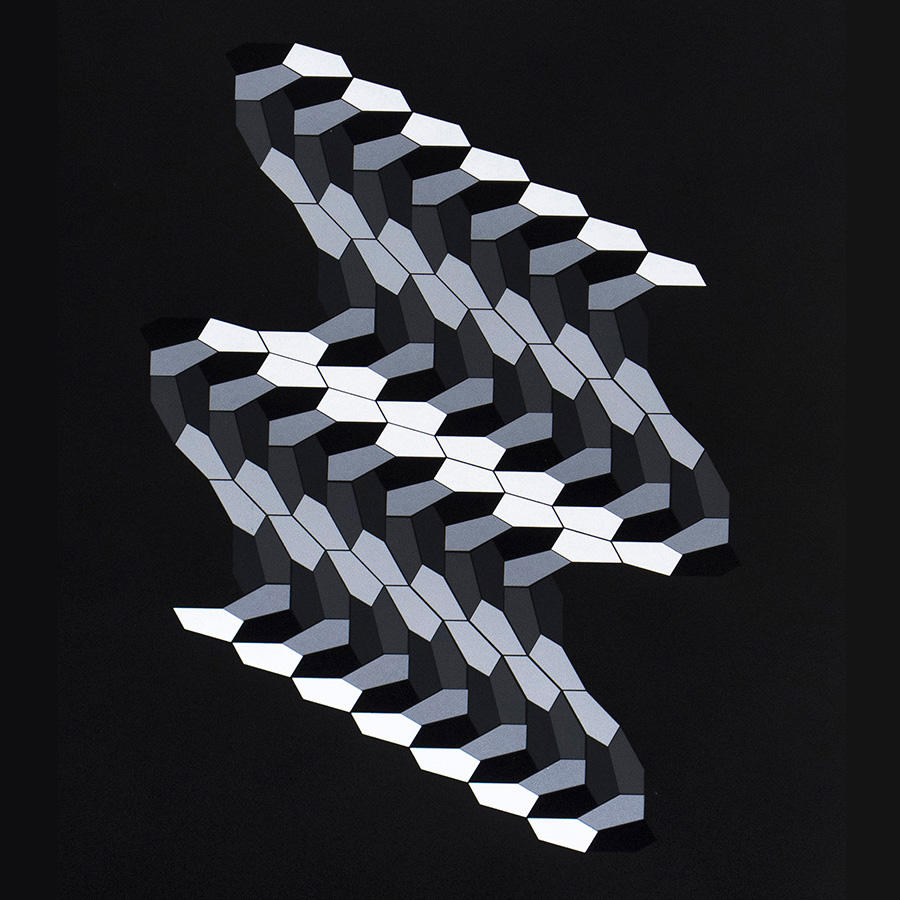
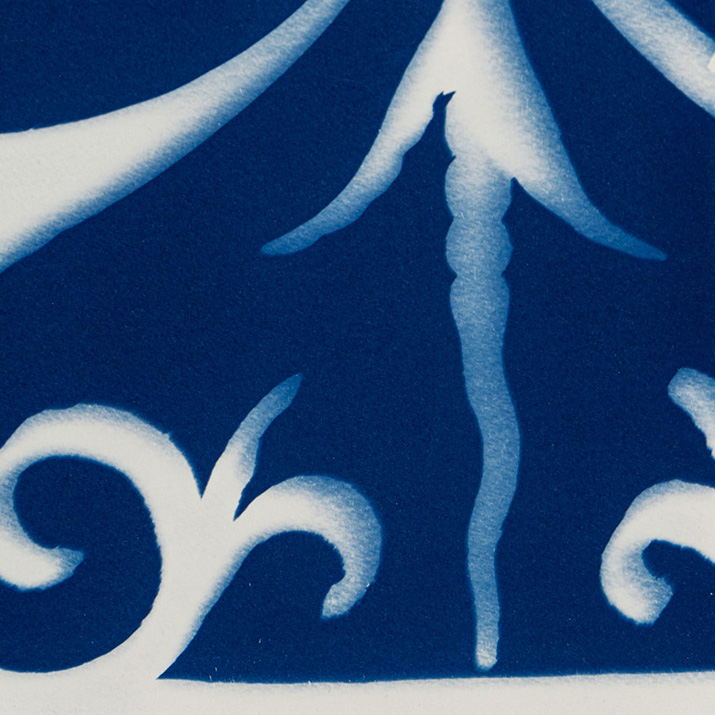
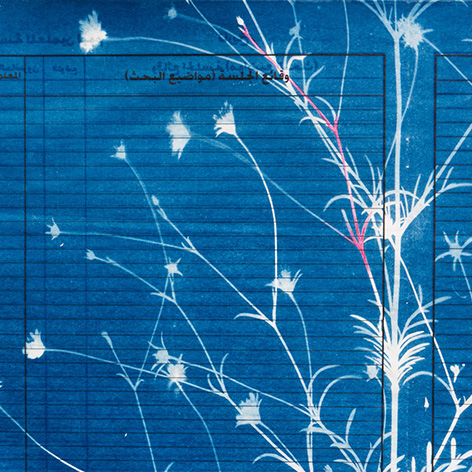
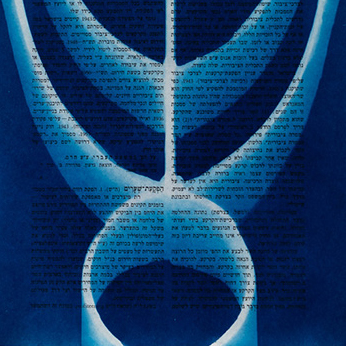
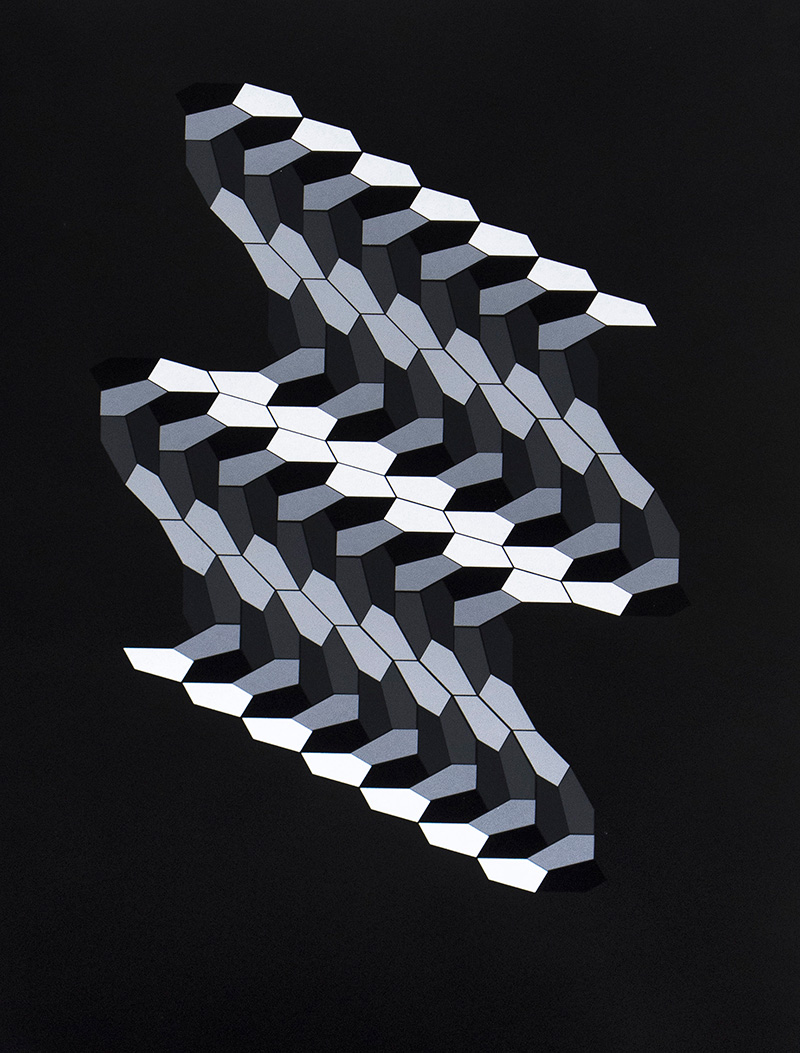
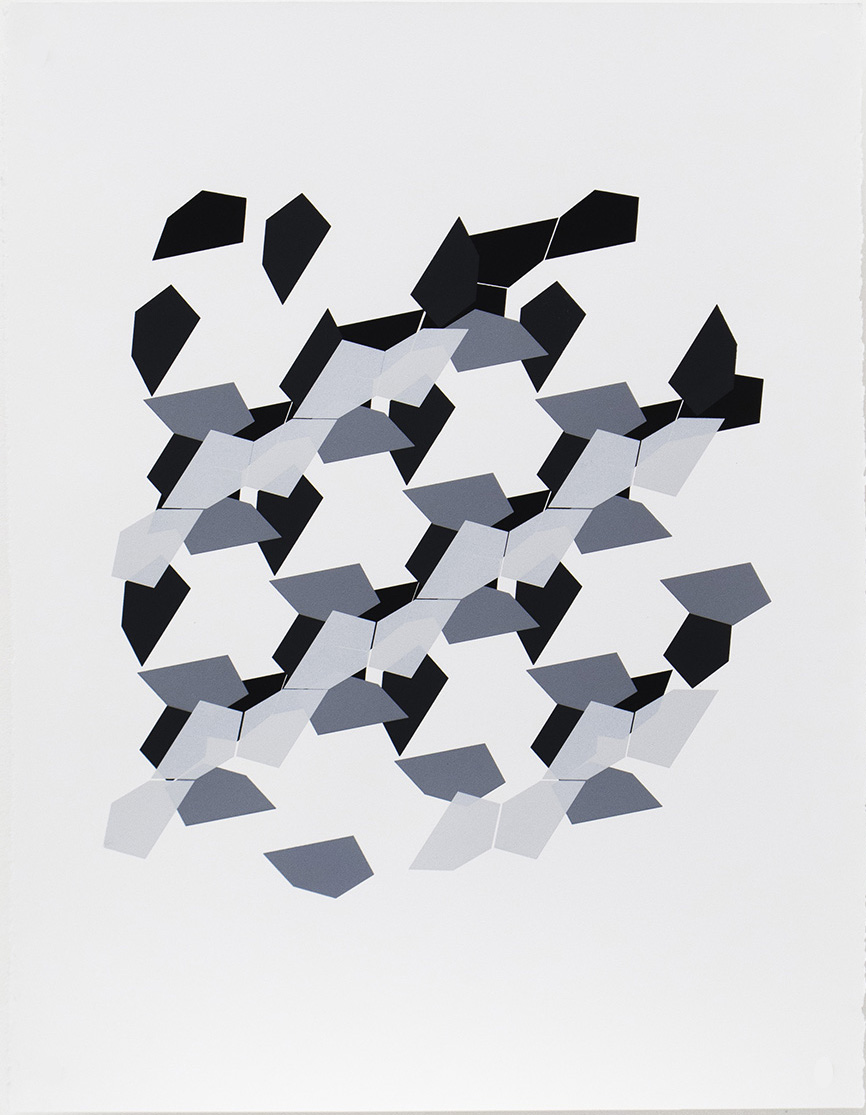
A series of screen prints showcase his ability to reduce subjects into intense mathematical geometries. Conversely, Tichy's cyanotypes whimsically explore the relationship between the natural world and its political ground through an examination of materiality, shape, and shadow.
Tichy's two-dimensional images expose the underlying narratives of light and darkness within our environments, capturing the contrast between the industrial and the natural, as well as the tension between the public and the private.
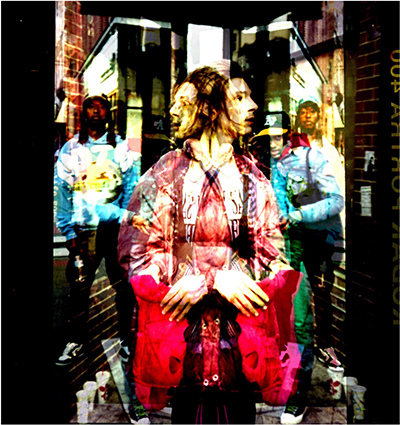
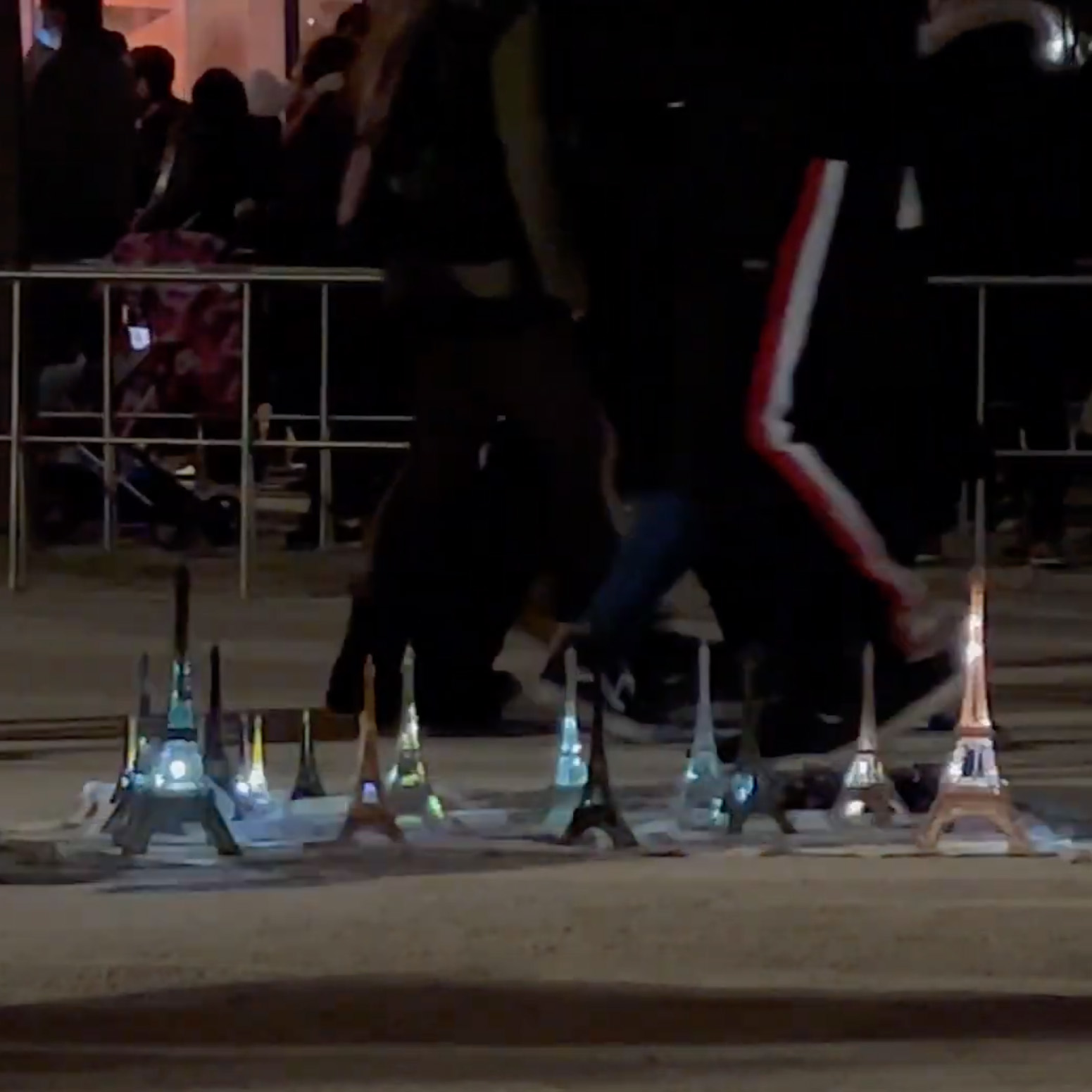
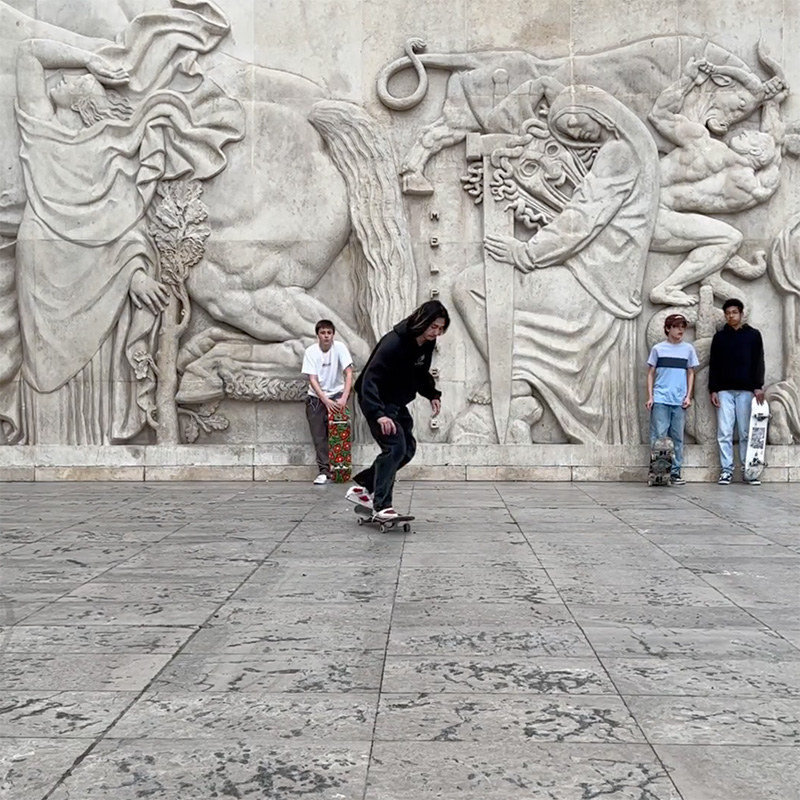
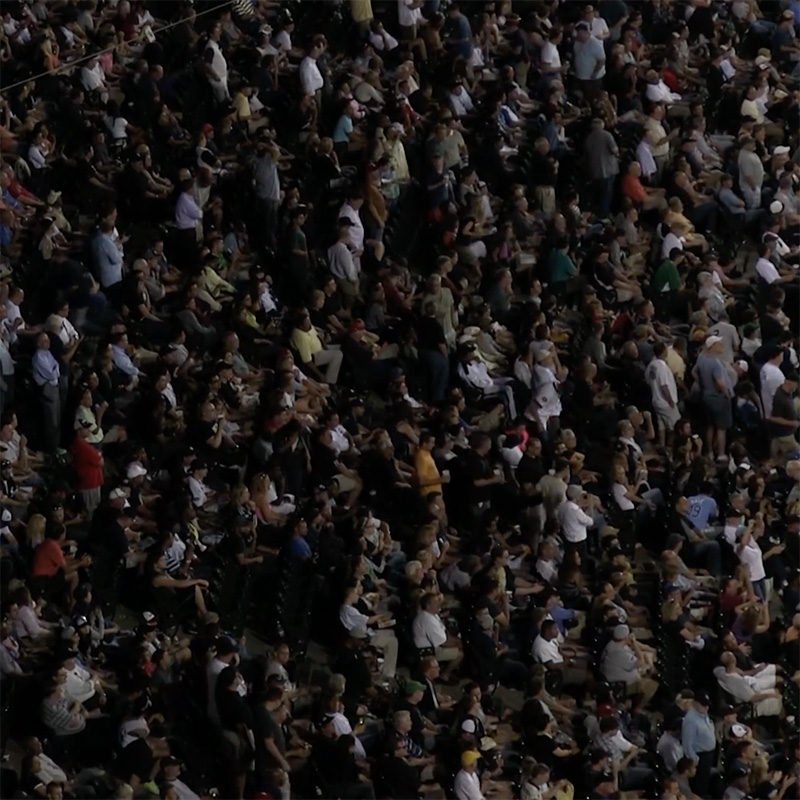
These abstracted images are complemented by figurative video works created using the artist's signature Expanded Moment technique, which explores the temporal aspect of various locations. By capturing genuine people and moments in unexpected isolated compositions, Tichy highlights the essence of the human condition.
View all works by Jan Tichy

Whitney Biennial 2026: America Without Easy Answers
The Whitney Biennial has long asked what it means to be American. As the United States marks its 250th anniversary, this year’s exhibition refuses easy answers. Instead, 56 artists explore grief, belonging, and interspecies kinship in New York’s most talked about and hotly debated exhibition. Several works give the Whitney Biennial 2026 its emotional weight. Kelly Akashi’s Monument (Altadena) is
Inside Refik Anadol’s DATALAND, the World’s First AI Art Museum
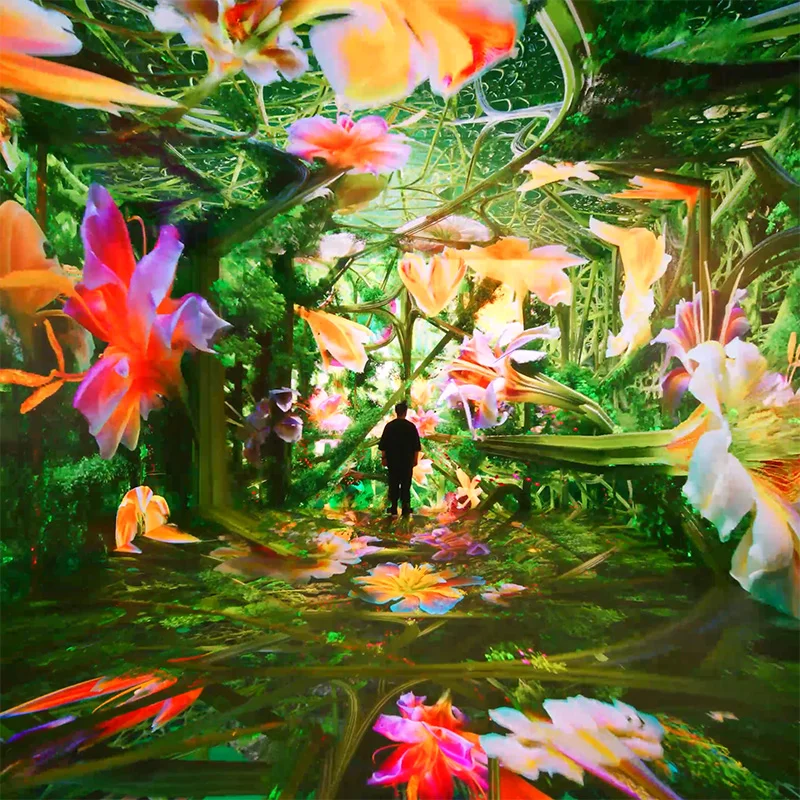
Imagine walking into a museum where artworks respond to your heartbeat and even the scents adapt to your body’s signals. That is the promise behind DATALAND, media artist Refik Anadol’s new Los Angeles institution, whose founders describe it as the world’s first museum dedicated to AI-driven art. Anadol founded DATALAND with his wife and longtime creative partner, painter and cultural
Rotterdam Museum Pays Tribute to Wim T. Schippers with Peanut Butter Floor
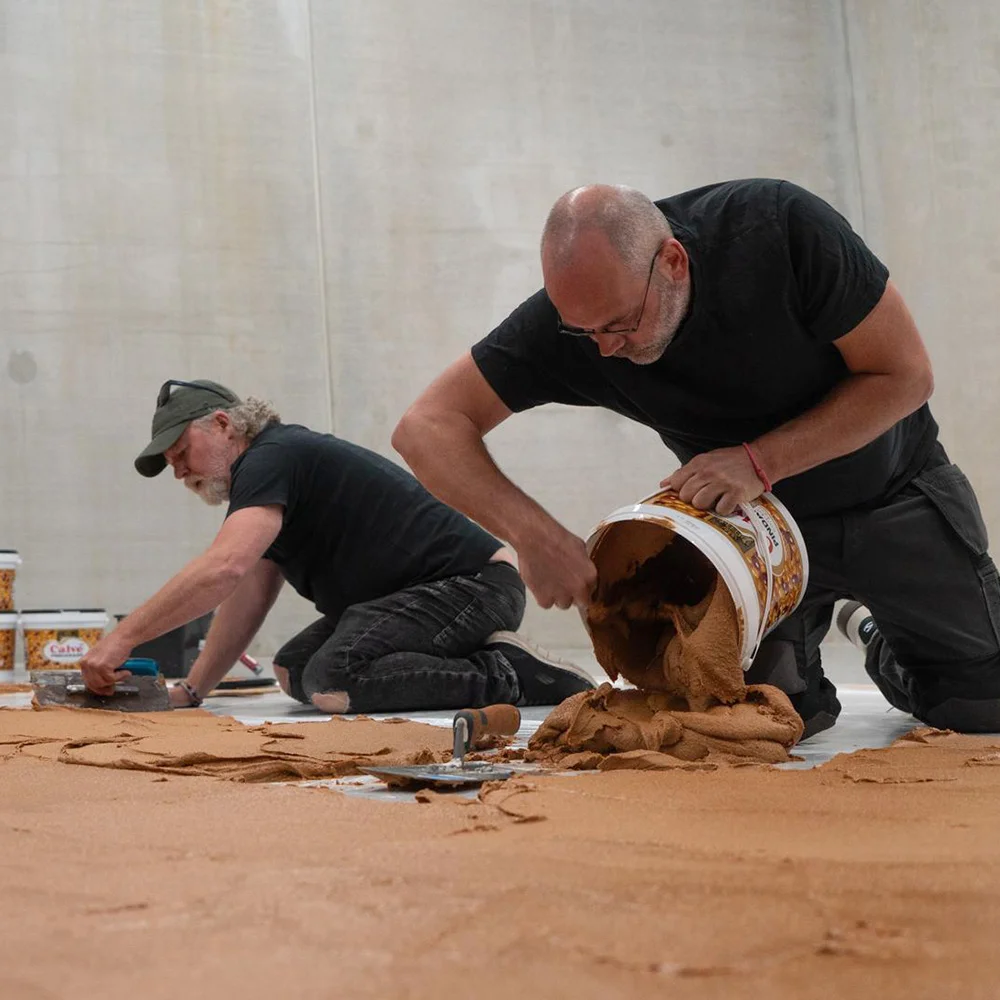
More than 800 pounds of peanut butter cover the floor of Museum Boijmans Van Beuningen in Rotterdam, reviving one of Wim T. Schippers’ most iconic conceptual works. Staged after the artist’s death last month, the installation celebrates his lifelong commitment to redefining what art can be. Installed at the museum’s Depot, Pindakaasvloer (Peanut Butter Floor) consists of a 270 square
Ai Weiwei’s Button Up! Reassembles History
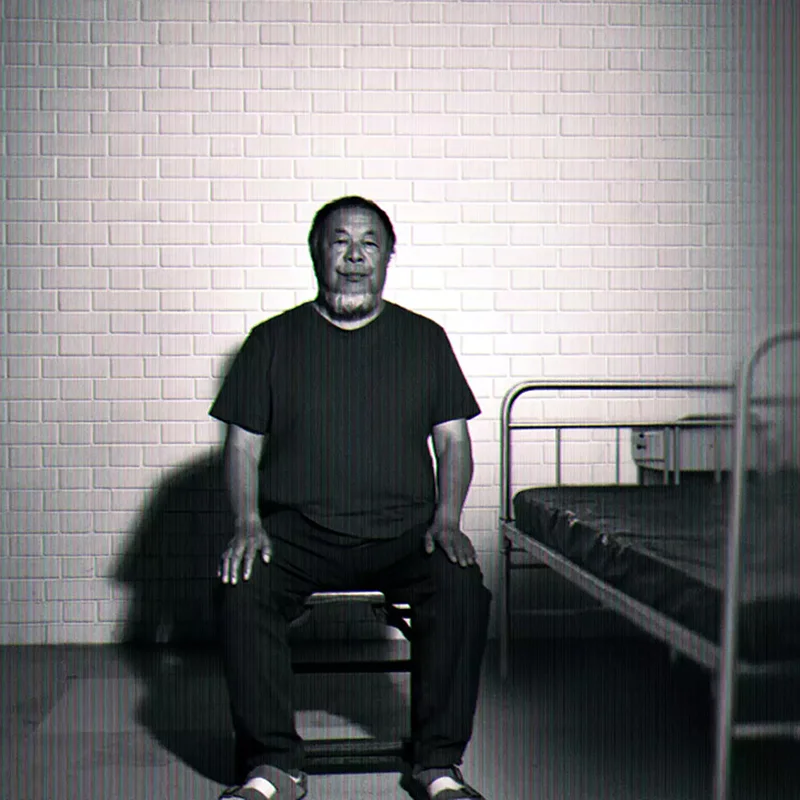
Ai Weiwei’s Button Up! examines the intertwined histories of China and Britain through an ambitious exhibition of sculpture, installation and new commissions. Set within a former industrial hall in Manchester, it explores empire, industrialisation, migration and censorship, revealing how history shapes today’s political and humanitarian realities. Button Up! is Ai Weiwei’s most expansive exhibition in northern England to date. Conceived
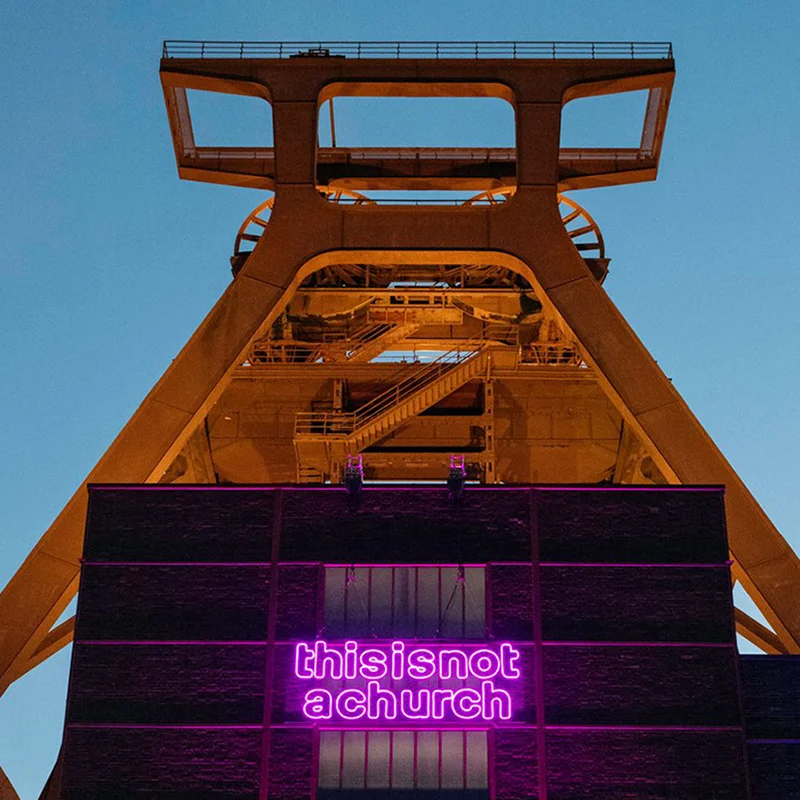
Manifesta 16: This Is Not a Church
Manifesta, the nomadic European biennial that uses each edition to engage with the social and historical realities of its host region, presents its sixteenth edition across Germany’s Ruhr Area, transforming disused postwar churches into spaces for art, dialogue, and community, exploring how history can unite. Manifesta 16 unfolds across Duisburg, Essen, Gelsenkirchen, and Bochum, with twelve former or underused churches
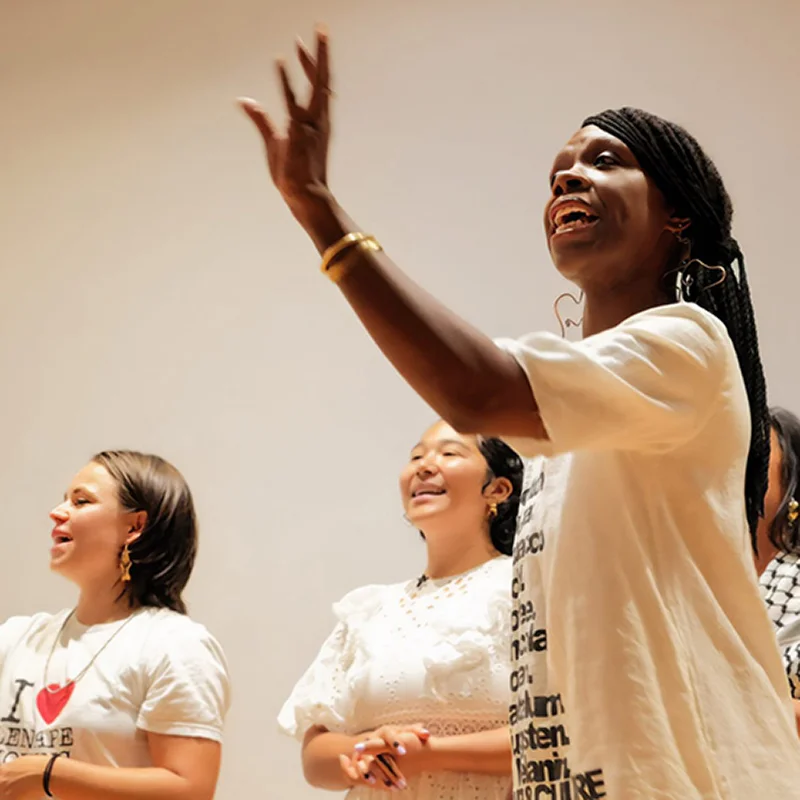
Sonia Boyce: Demonstrate at the Queens Museum
Sonia Boyce’s Demonstrate at the Queens Museum brings together film, photography, sound, and installation to explore collaboration, participation, and collective making, treating these not as subject matter but as a working method through which meaning is produced in real time within shared space. Developed over two days of filming at the Queens Museum in October 2025, the project continues Boyce’s