PhotoBrussels Festival unfolds across the city with 52 exhibitions that approach photography as lived experience rather than spectacle. From Lee Shulman’s staged domestic nostalgia at Hangar to politically charged archives, intimate family reckonings, and photojournalism shaped by conflict, the festival reads as a fragmented yet resonant social history assembled through images.
Established in 2016 by Hangar and coordinated since 2022 by a committee of galleries and art centers, PhotoBrussels has steadily grown into one of Europe’s more thoughtful photography platforms. Rather than imposing a single curatorial narrative, the festival operates as a networked ecosystem, allowing diverse photographic positions to coexist and occasionally collide across the city.
This distributed model enables the festival to support both emerging and established artists while fostering meaningful international exchange. Across its exhibitions, photography is treated less as a fixed medium than as a flexible tool for memory, inquiry, and testimony, often engaging directly with social, political, and personal realities.
Marking its 10th edition, the festival brings together 52 exhibitions and more than 100 artists, around half of whom are Belgian. The balance between local and international voices feels deliberate rather than symbolic, positioning Brussels not as a backdrop but as an active site of contemporary image-making shaped by global concerns.
The program extends well beyond exhibitions. PhotoBrussels Days, held during the launch weekend in late January, activate the city through an outdoor inauguration at Place du Châtelain, evening vernissages, portfolio reviews, talks, screenings, and public events. Throughout the month, guided tours and partner-led initiatives further encourage sustained engagement rather than one-off visits.
A mid-February program dedicated to galleries and collectors is strategically scheduled outside the calendar of major international art fairs. With venues spread across institutional spaces, commercial galleries, and alternative sites, the festival invites visitors to move through Brussels while encountering photography in varied architectural and social contexts.
Among the highlights is the central exhibition at Hangar, where Lee Shulman’s The Anonymous Project is presented alongside the group exhibition Family Stories. Shulman’s carefully staged domestic environments transform found family photographs into immersive memory spaces, while works by artists such as Cristóbal Ascencio, Lee Daesung, and Sanne De Wilde explore kinship, inheritance, and identity through more contemporary, often unsettled lenses.
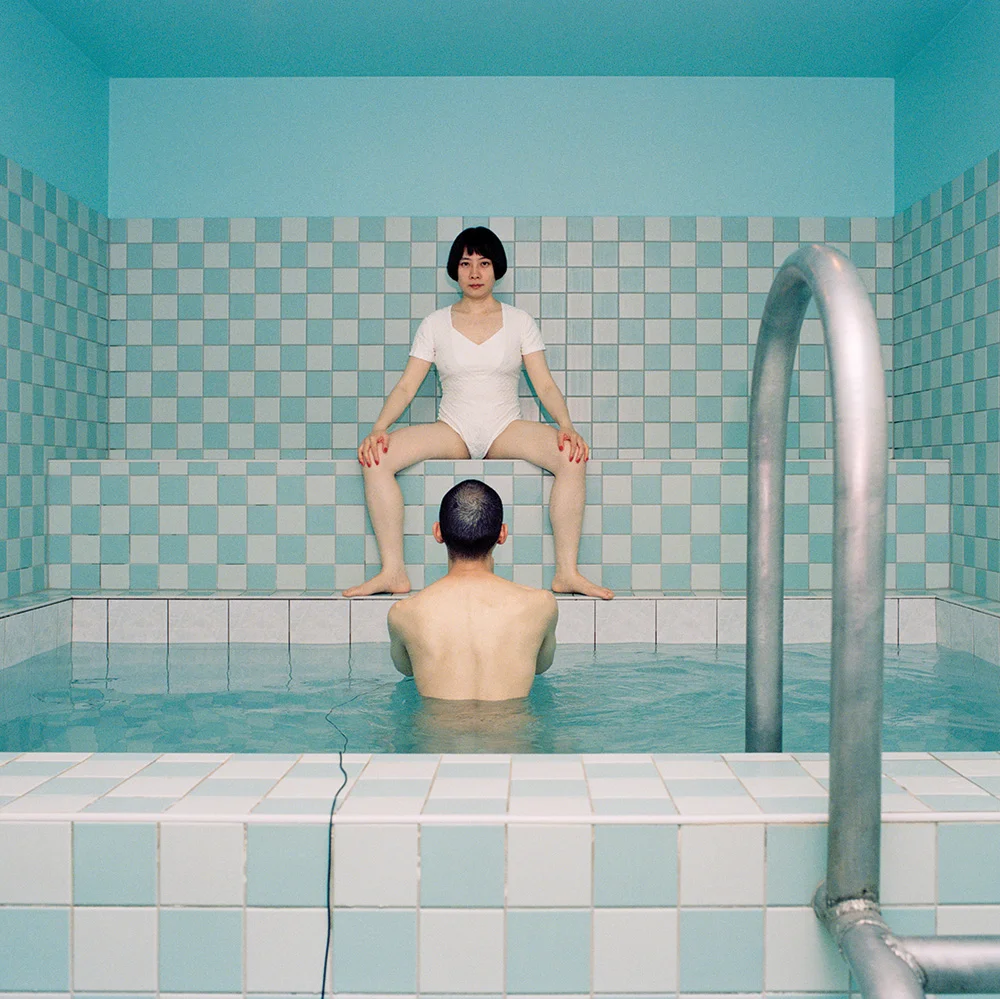
Elsewhere, exhibitions at galleries including Modesti Perdriolle, Box Galerie, and Galerie Eric Mouchet expand the picture, presenting practices that range from documentary and archival research to staged imagery and experimental processes. Together, these exhibitions resist a singular reading of photography, instead proposing it as a medium capable of holding contradiction, intimacy, and historical weight all at once.