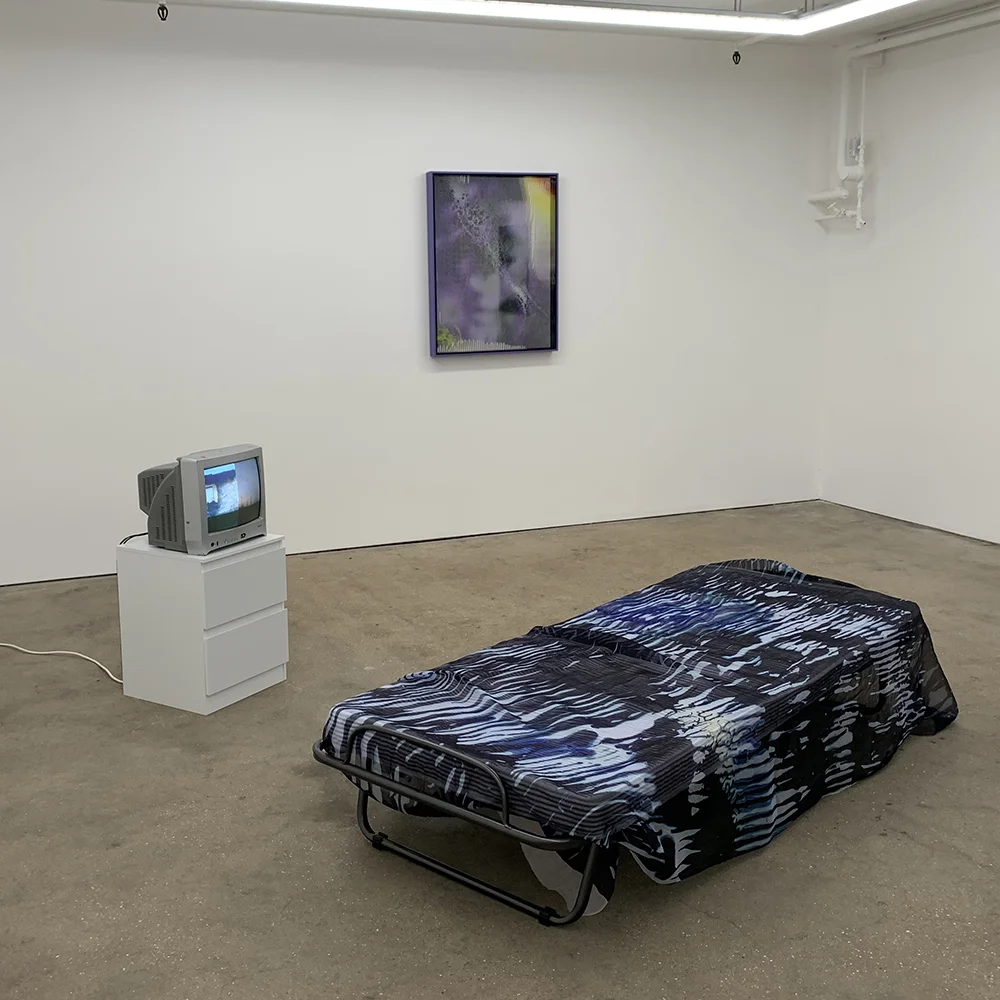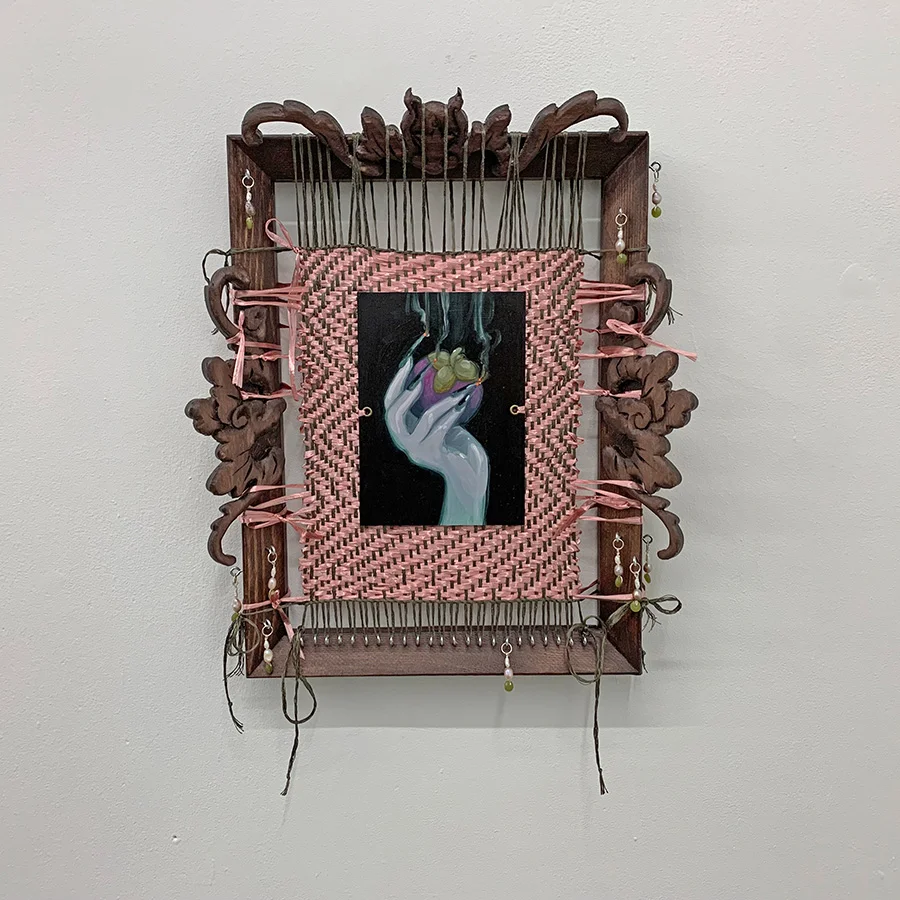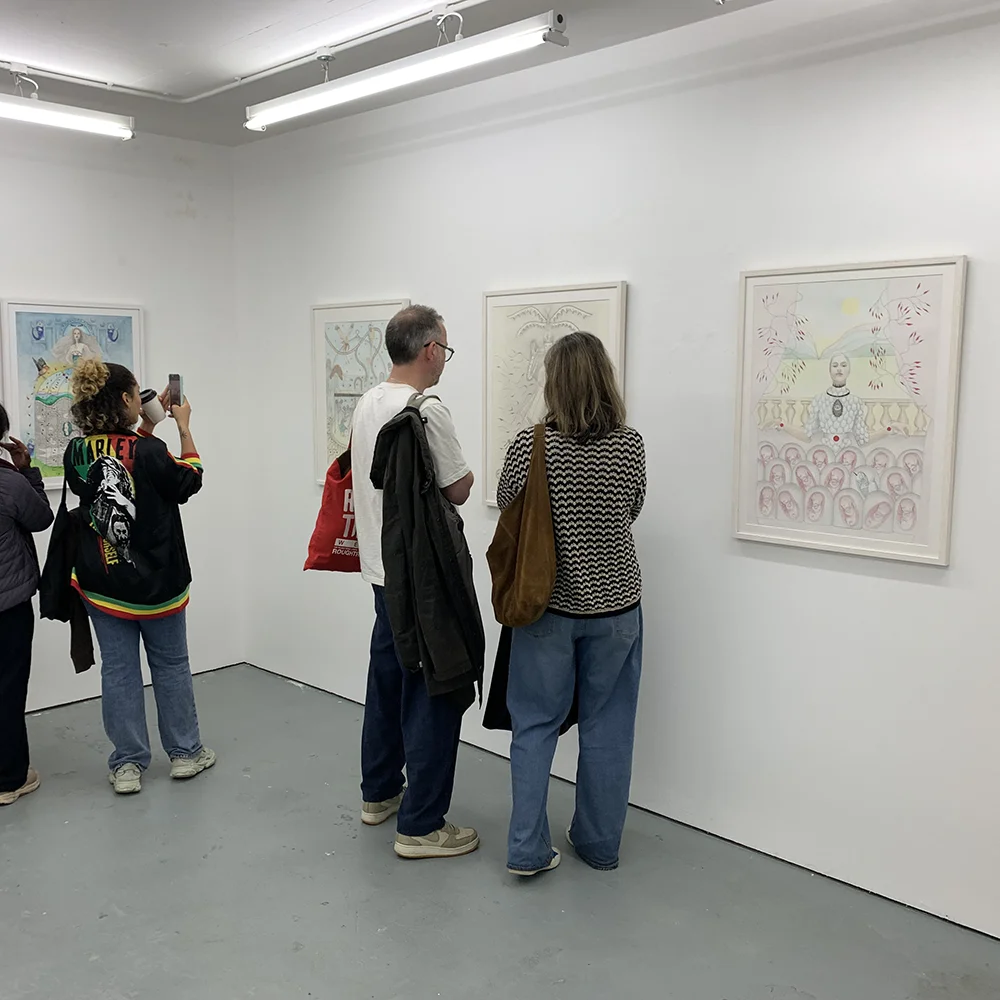
London possesses one of the world’s most extensive and geographically dispersed gallery ecosystems. London Gallery Weekend 2026 brings together more than 120 galleries, over 80 public events, a growing network of institutional partnerships and a citywide programme spanning multiple neighbourhoods.
Now in its sixth edition, the initiative has become a key fixture in the international art calendar, creating a framework through which galleries, artists, collectors, institutions and audiences engage with the city as a connected cultural landscape.
Despite the strength of London’s gallery sector, even many local collectors struggled to grasp its full scope. Unlike cities where galleries cluster within a handful of districts, London’s art world is distributed across numerous neighbourhoods, each with its own communities, networks and identities. The initiative was conceived as a way to connect these different parts of the city while creating a moment distinct from the intensity of the autumn fair season.
The timing remains central to its success. Taking place during the first weekend of June, London Gallery Weekend coincides with a period when many international visitors are already passing through the city en route to major events such as Art Basel and the Venice Biennale. Rather than creating an entirely new destination, the weekend concentrates and amplifies momentum that already exists.
This year’s edition reflects the continued growth of that vision. More than 120 galleries are participating, including a number of first-time exhibitors and recently opened spaces. The programme extends well beyond exhibitions to include talks, performances, workshops, artist walkthroughs, book signings, receptions and public tours. The result is a three-day event that functions simultaneously as a professional gathering, a public festival and a platform for discovery.
Audience development sits at the heart of the initiative. To help visitors navigate the city’s scale, the programme is organised geographically, with central London highlighted on Friday, south London on Saturday and east London on Sunday. Partnerships with navigation platforms and transport providers support visitors as they move between neighbourhoods, encouraging them to venture beyond their usual routes and discover unfamiliar galleries.
The weekend also places increasing emphasis on cultivating future collectors and patrons. A new acquisition fund established in partnership with the Arts Council Collection is supported by collectors under the age of forty, reflecting a broader effort to encourage long-term engagement with contemporary art. Throughout the programme, performances, studio visits and artist-led events create opportunities for direct encounters with artistic practice.
The collaborative ethos distinguishes London Gallery Weekend from the traditional art fair model. While commercial activity remains important, the event places equal emphasis on dialogue, professional exchange and long-term cultural development. Panel discussions bring together dealers, curators and institutional leaders, while visiting museum professionals engage directly with galleries and artists. The weekend functions not only as a showcase for exhibitions but also as a platform for conversations about the future of the sector.
That future is visible in the exhibitions themselves. Increasingly, galleries treat London Gallery Weekend as a major programming moment, opening ambitious projects that address both market and institutional audiences. Across the city, visitors encounter large-scale installations, research-driven presentations, performances and interdisciplinary works that reflect the breadth and ambition of contemporary artistic practice in London.
Among the highlights are Helen Marten’s presentation at Sadie Coles HQ, featuring five new films connected to the artist’s recent opera project, and Oliver Beer’s exhibition at Thaddaeus Ropac, which explores ideas of resonance through work developed in a prehistoric cave in France.
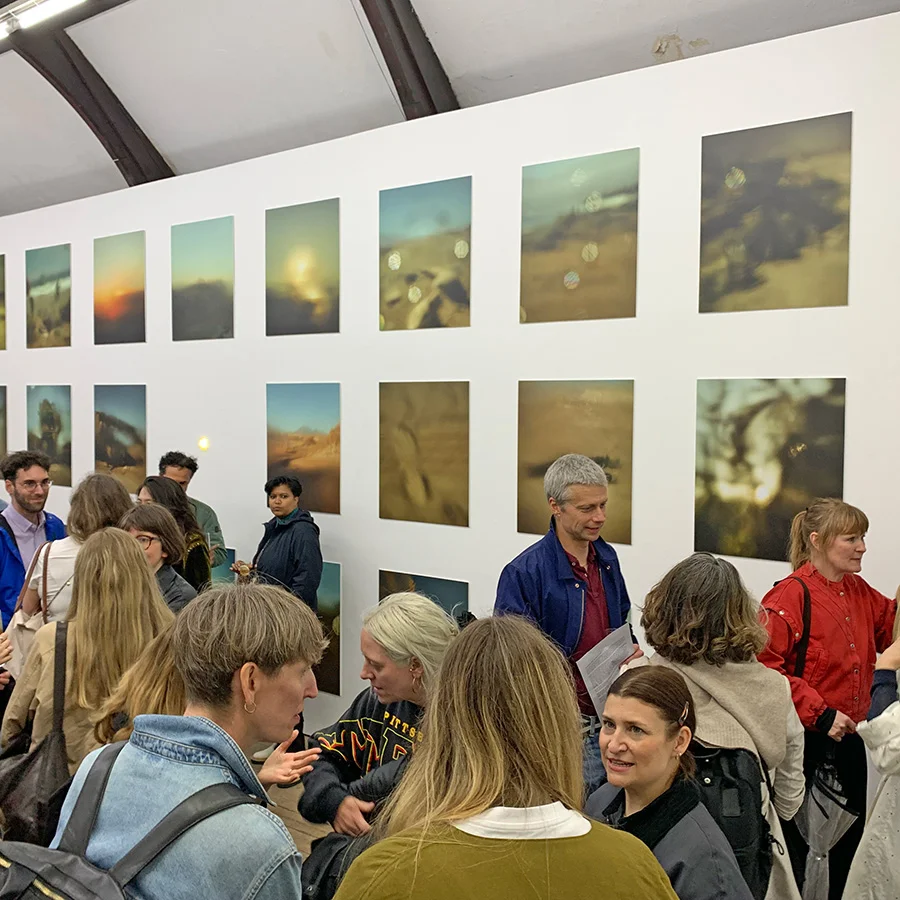
At Copperfield, Oscar Santillán presents Solaris, an expansive installation centred on photographs of the Atacama Desert produced using a lens made from melted desert sand. Meanwhile, The Sunday Painter hosts Dominic Watson’s large-scale sculptural environment built around a galleon constructed from reclaimed children’s playhouses.
These sit alongside exhibitions by Hayv Kahraman, Alvaro Barrington, Naotaka Hiro, Mandy El-Sayegh, Shahzia Sikander and Christo, as well as presentations by younger artists and recently established galleries. Together, they demonstrate the breadth of practices currently shaping contemporary art in London.
Several themes emerge across the programme. Questions of memory, mythology, identity and transformation recur in different forms, while artists continue to embrace immersive installations, material experimentation and interdisciplinary approaches. Sound and performance play a particularly prominent role, expanding the ways audiences engage with exhibitions and creating experiences that extend beyond traditional modes of display.
Beyond the exhibitions themselves, the programme also offers a snapshot of a gallery sector that continues to evolve. Established galleries are expanding, relocating and investing in new spaces. Sadie Coles HQ, Maureen Paley, Modern Art, Emalin, Edel Assanti and GRIMM are among those that have recently opened additional locations or moved into larger premises.
Alongside them, a new generation of galleries is emerging across neighbourhoods including Fitzrovia, Soho, Camden and Farringdon. Notable first-time participants this year include Sundaram Tagore Gallery, Pale Horse, NORITO, TINA, DES BAINS, General Assembly and Rebecca Hossack Art Gallery.
Their presence reflects one of London Gallery Weekend’s defining characteristics. The initiative remains non-selective, open to commercial contemporary galleries with a permanent London presence and year-round programme. This model allows younger galleries to participate alongside more established counterparts, offering a fuller picture of the city’s gallery landscape.
That openness has become one of the event’s greatest strengths. From internationally recognised programmes to emerging spaces and specialist initiatives, London continues to sustain a diverse gallery ecosystem. At a time of rising costs and shifting patterns of collecting, London Gallery Weekend presents a sector that remains dynamic, adaptive and defined by collaboration.
Six editions after its launch, London Gallery Weekend has become far more than a three-day festival. It is a framework through which galleries, artists, collectors, institutions and audiences engage with the city as a shared cultural landscape. In doing so, it reveals not only the strength of London’s contemporary art scene, but also the networks and collaborations that sustain it.